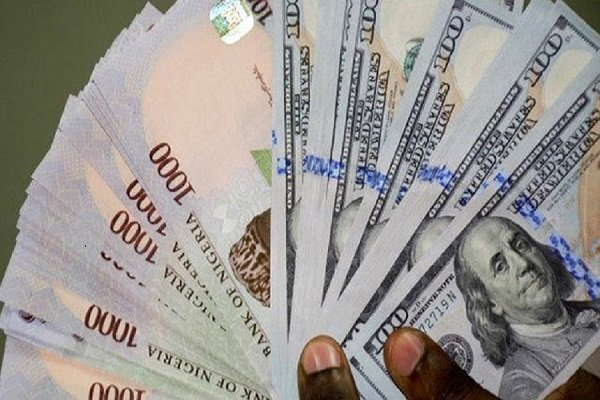
The naira traded with relative stability against the United States dollar on Tuesday, May 12, 2026, amid continued interventions by the Central Bank of Nigeria (CBN) and sustained demand for foreign exchange across the country.
At the official Nigerian Foreign Exchange Market (NFEM), the naira exchanged at approximately ₦1,358 to the dollar, reflecting a marginal appreciation compared to previous trading sessions.

Key Highlights:
- The Nigerian naira showed slight stability against the U.S. dollar on May 12, 2026, at both official and parallel markets.
- At the official Nigerian Foreign Exchange Market (NFEM), the naira traded around ₦1,358/$1, with rates ranging between ₦1,352 and ₦1,365.
- In the parallel market, the dollar sold between ₦1,400 and ₦1,410 in major cities like Lagos and Abuja.
- Analysts credited the stability to continued interventions by the Central Bank of Nigeria and improved forex inflows.
- Experts warned that inflation, foreign exchange demand, crude oil prices, and future monetary policies could still affect the naira’s performance.
Trading data from the CBN showed that the dollar traded within the range of ₦1,352 and ₦1,365 at the official market, depending on transaction volumes and participating financial institutions.
Read Also:
- Naira trades steady against Dollar as black market rate hits ₦1,400
- Naira records gains across official, parallel markets
- Naira holds steady against dollar at official, parallel markets
Meanwhile, activity at the parallel market, also known as the black market, indicated that the dollar sold for between ₦1,400 and ₦1,410 across major cities, including Lagos and Abuja, while buying rates hovered around ₦1,390/$1.
Financial analysts attributed the relative stability of the local currency to continued forex interventions by the apex bank and improved foreign exchange inflows into the official market.
However, experts noted that pressure on the naira persists due to increasing demand for foreign currency by importers, manufacturers, students paying overseas school fees, and Nigerians travelling abroad.
Market observers also pointed to the narrowing gap between the official and parallel market exchange rates as a sign of improving confidence in the formal forex market.
Despite the recent stability, economic experts warned that inflationary pressures and external economic vulnerabilities could still impact the performance of the naira in the coming weeks.
They added that crude oil prices, foreign portfolio investments, and future monetary policy decisions by the CBN will continue to play a major role in determining the direction of the country’s foreign exchange market.