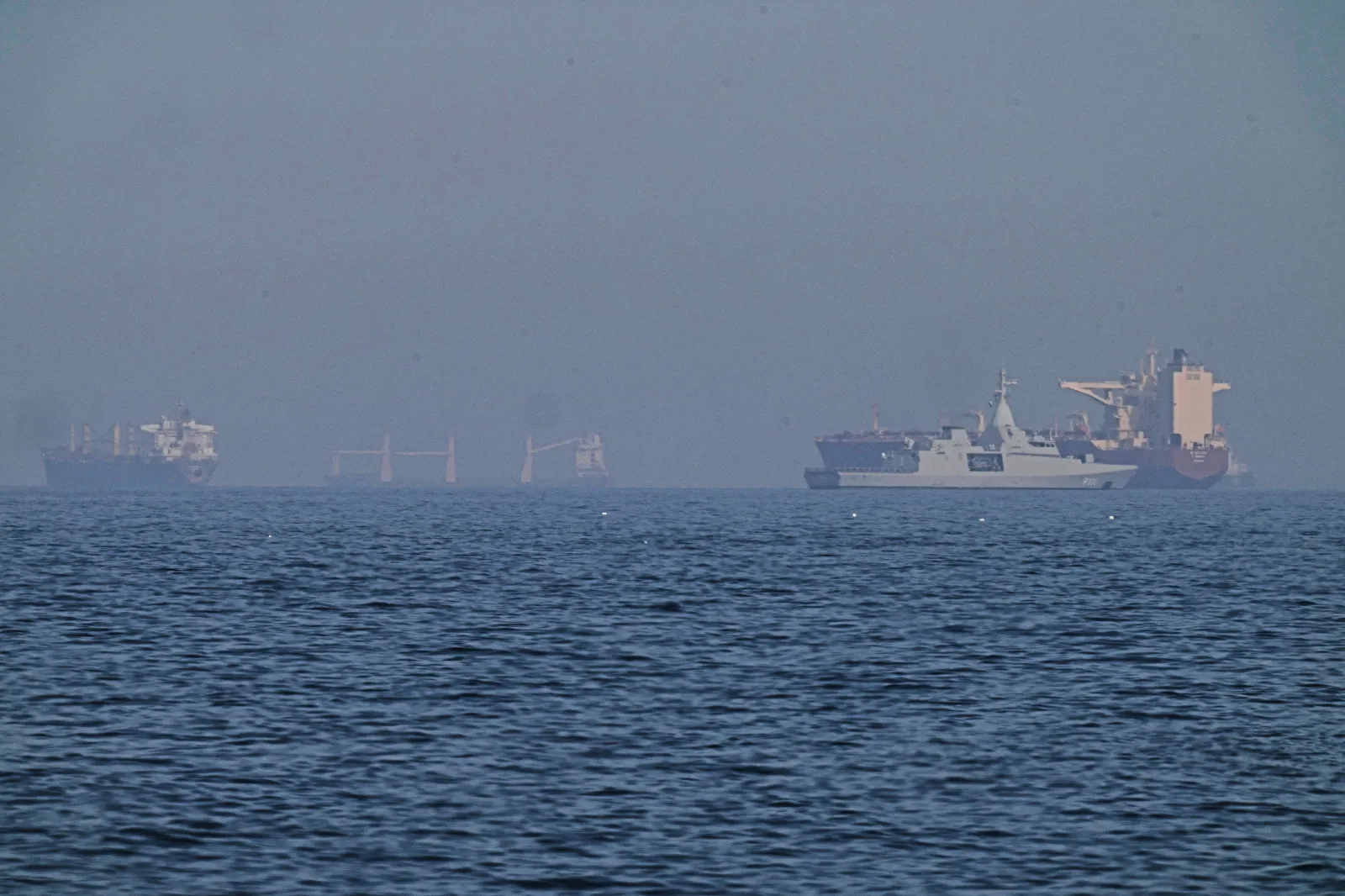
Iran’s Islamic Revolutionary Guard Corps (IRGC) Navy has announced that the Strait of Hormuz is now open for “safe and stable” maritime transit, following what it described as the neutralisation of hostile threats in the region.
The announcement came on Wednesday via a statement posted on social media platform X, in which the IRGC said shipping conditions in the vital waterway would now be secured under updated operational guidelines.

“With aggressor threats neutralised and new protocols in place, safe, stable passage through the Strait of Hormuz will be ensured,” the statement read.
The force also thanked commercial vessel operators in the Persian Gulf and Gulf of Oman for complying with Iran’s navigation regulations.
The IRGC had earlier issued directives governing the movement of what it termed “innocent vessels,” while warning it would restrict ships allegedly carrying weapons or ammunition destined for US forces in the region.
Read Also:
- “We’re just getting started,” Iran tells US after Strait of Hormuz attacks
- US denies Iran’s claim of hitting American warship in Strait of Hormuz
- Iran threatens to attack US forces in Strait of Hormuz
The development follows a sudden policy shift by the United States, which recently suspended a short-lived naval escort mission known as “Project Freedom.”
The operation had been launched to protect commercial shipping through the strategically important strait but was paused within 24 hours amid renewed diplomatic efforts with Tehran.
Iranian officials said ongoing discussions with international partners are now focused on reopening and stabilising maritime traffic, rather than broader military or nuclear issues.
Foreign Minister Abbas Araghchi is currently in Beijing for talks with Chinese officials, with Beijing calling for an immediate end to hostilities and full restoration of shipping access.
Pakistan’s Prime Minister Shehbaz Sharif welcomed recent diplomatic developments, describing them as positive steps toward easing regional tensions and restoring stability.
Global oil prices reacted to the latest signals, extending recent declines as markets responded cautiously to the possibility of reduced disruption in the Gulf shipping route.