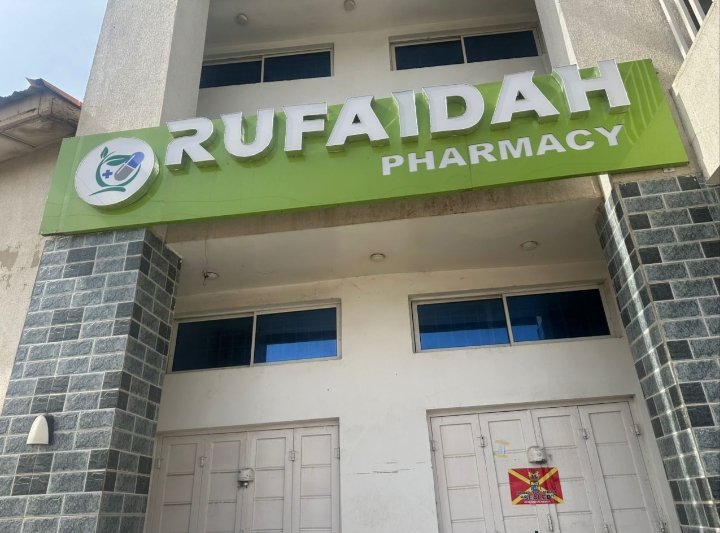
The Pharmacy Council of Nigeria has sealed 821 pharmaceutical outlets in Kano State for various regulatory infractions, as part of an enforcement drive to curb illegal drug distribution and protect public health.
The council disclosed this on Thursday during a press briefing at its state office in Kano.

Speaking on behalf of the Registrar/Chief Executive Officer, the Head of Enforcement, Dr. Suleiman Chiroma, said the four-day operation targeted unlicensed and non-compliant medicine outlets across eight local government areas.
He listed the affected local governments as Kano Municipal, Gwale, Kumbotso, Nasarawa, Tarauni, Ungogo, Dala and Fagge.
According to him, 1,140 drug outlets were inspected, including 114 pharmacies, 869 patent and proprietary medicine vendors, and 166 illegal outlets.
“Out of these, 821 premises were sealed, comprising 68 pharmacies, 587 patent medicine stores and 166 illegal outlets.
Read also:
- NDLEA intercepts 64 bags of Cannabis loaded on Cement Truck on Zaria–Kano Road
- NDLEA alerts public of fake medicinal cannabis, arrests 28-yr-old Lagos kingpin
- Marwa opposes cannabis oil consumption in Nigeria
“We also issued 10 compliance directives and arrested one operator for obstructing our officers and violating the PCN Act,” Chiroma said.
He said the exercise uncovered widespread violations, including lack of valid licences, sale of prescription-only medicines by unauthorised vendors, poor storage practices and obstruction of inspectors.
Chiroma warned that such practices pose serious risks, including drug abuse, poisoning and the spread of substandard medicines.
He added that enforcement teams identified clusters of illegal drug outlets in Kasuwan Kurmi and Kwangiri areas of the Kano metropolis, where 46 outlets were sealed.
Despite the violations, Chiroma said there were signs of improvement, noting that only 15 percent of the 893 premises assessed were operating outside regulatory standards.
He added that 28 percent of the inspected outlets were fully compliant, with 66 per cent of pharmacies and 32 percent of patent medicine vendors meeting required guidelines.
“The council will continue to enforce regulations to ensure that only safe and quality medicines are available to Nigerians,” he said.
He urged residents to buy drugs only from licensed outlets displaying valid PCN certification.
The council also commended residents for their cooperation during the exercise.