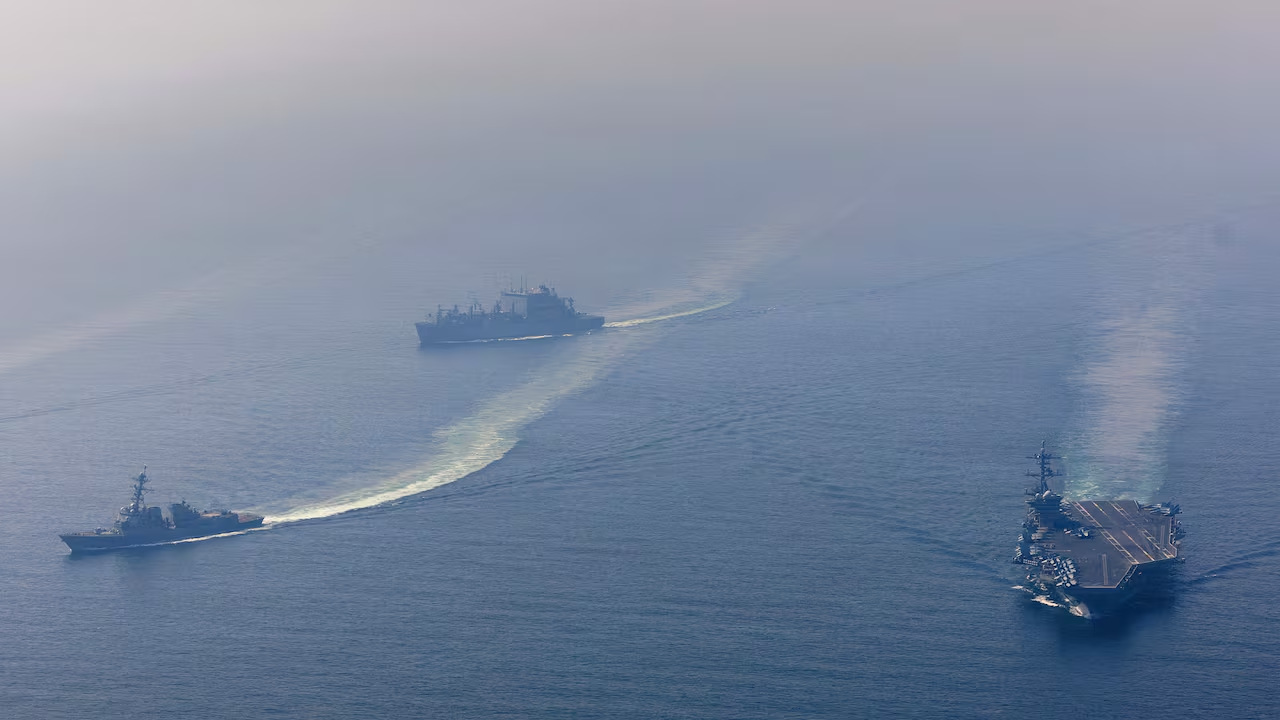
The United States has initiated one of its largest military buildups in the Middle East since the 2003 Iraq invasion, deploying thousands of additional troops alongside aircraft carriers, warships, and other strategic assets as tensions with Iran continue to escalate.
According to defence officials and multiple reports, the deployment includes reinforced naval strike groups, advanced fighter aircraft, and expanded logistical support aimed at strengthening the U.S. military’s readiness and deterrence posture across the region.

The move follows a series of confrontations and heightened rhetoric between the United States and Iran, raising fears of a potential broader conflict.
Military analysts say the scale and speed of the buildup signal a significant shift from routine force rotations to a more assertive posture, potentially designed to prepare for a range of scenarios, including rapid response operations or sustained military engagement if tensions worsen.
Read Also:
- Iran vows response to U.S. attack on commercial vessel
- BBNaija star Angel Smith in fresh U.S. arrest rumour as father speaks
- Donald Trump warns U.S. could “Totally Destroy” North Korea amid rising Nuclear tensions
While U.S. officials have maintained that the deployments are defensive and intended to protect American interests and allies, the development has sparked intense speculation among observers and online commentators.
Some have suggested that the buildup could be laying the groundwork for possible ground operations, informally referring to the situation as “Operation Tehran Freedom,” although no such operation has been officially announced or confirmed.
Security experts caution against drawing premature conclusions, noting that large-scale deployments can serve multiple strategic purposes, including deterrence, signaling, and contingency planning, rather than indicating imminent war.
The situation has nonetheless heightened concerns among regional stakeholders and the international community, with calls growing for diplomatic efforts to de-escalate tensions and prevent further instability in an already volatile region.
As developments continue to unfold, global attention remains fixed on Washington and Tehran, with many watching closely for signs of either escalation or a potential return to negotiations.