
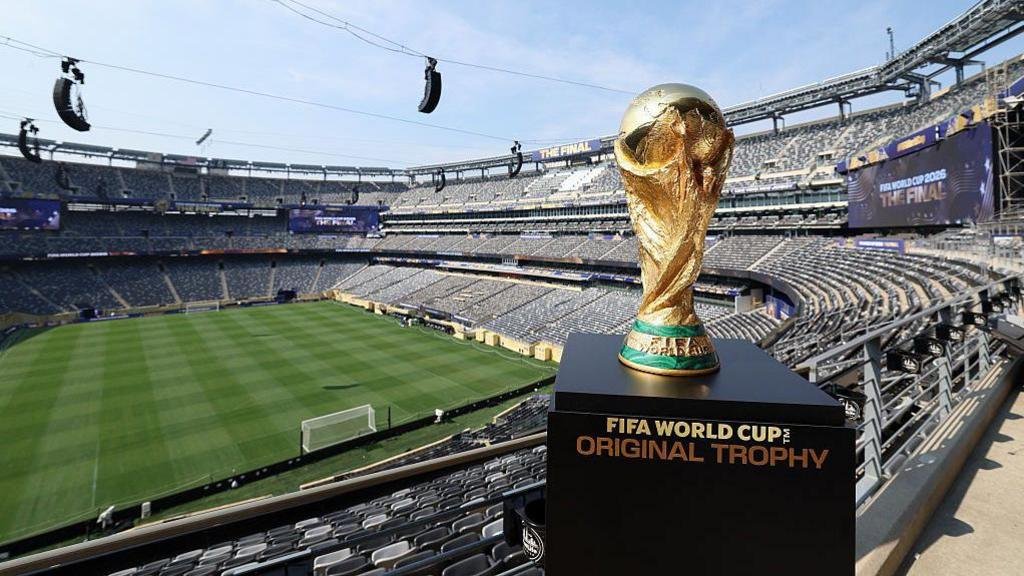
The curtain has finally fallen on the 2026 FIFA World Cup, leaving behind unforgettable memories, historic milestones, thrilling upsets, heated controversies and renewed conversations about the future of football.
Key Highlights:

- Spain won the 2026 FIFA World Cup, defeating Argentina in the final.
- The 48-team format gave several nations their historic World Cup debuts.
- Emerging teams impressed, proving the global gap in football is narrowing.
- The tournament broke records but faced criticism over scheduling, VAR and logistics.
- Nigeria must reform its football system to qualify for the 2030 World Cup.
Jointly hosted by the United States, Canada and Mexico, the tournament rewrote history as the largest FIFA World Cup ever staged, expanding from 32 to 48 participating nations. The additional 16 qualification slots opened the doors for more countries to experience football’s biggest stage, transforming the tournament into a truly global celebration of the sport.
The expansion proved to be one of FIFA’s boldest decisions. Nations such as Uzbekistan, Jordan, Curacao, Cape Verde and New Zealand secured historic first-ever World Cup appearances, while Georgia also made its long-awaited debut after years of falling short in qualification campaigns.
More importantly, these debutants demonstrated that they belonged among football’s elite. Uzbekistan earned widespread praise for its disciplined and organised style of play, Jordan continued the momentum generated by its remarkable AFC Asian Cup campaign, Cape Verde reinforced Africa’s growing football credentials with spirited performances, while Georgia showcased an exciting new generation capable of competing against established football nations.
Although not every newcomer advanced deep into the knockout stages, their performances confirmed that the quality gap between traditional football powers and emerging nations continues to narrow.
Read also:
- England’s World Cup Heartbreak Deepens After Late Argentina Comeback
- Spain’s Coach Declares Team World’s Best After Booking 2026 World Cup Final Spot
- Dutch Referee Rob Dieperink Dies Weeks After World Cup Removal
Spain eventually lifted the FIFA World Cup trophy after defeating Argentina 1-0 after extra time in a dramatic final, completing a remarkable campaign defined by technical excellence, tactical discipline and the emergence of another golden generation of Spanish footballers.
Yet the road to the final was anything but straightforward. Just hours before the championship match at MetLife Stadium in New Jersey, heavy rain and thunderstorms disrupted preparations for both finalists. Spain was forced to cancel its final outdoor training session in accordance with United States safety protocols, while Argentina also adjusted its schedule following lightning alerts and persistent rainfall.
Tournament organisers closely monitored weather conditions throughout the day amid fears of a delayed kick-off. Fortunately, conditions improved in time for the match to proceed as scheduled.
The weather disruption highlighted one of the unique logistical challenges of hosting a month-long tournament across three countries with different climatic conditions. Throughout the competition, several teams experienced interruptions caused by extreme heat, thunderstorms and heavy rainfall, prompting renewed calls for more flexible scheduling and enhanced contingency planning for future FIFA tournaments.
Beyond Spain’s triumph, the competition delivered several surprises. Traditional football giants found themselves under pressure from emerging nations that played with confidence and tactical maturity. Morocco once again demonstrated Africa’s growing strength on the global stage, while several Asian and CONCACAF representatives exceeded expectations and reinforced the increasingly competitive nature of international football.
Off the pitch, the tournament also broke records. Global television audiences reached unprecedented levels, digital engagement surged across multiple platforms, and stadium attendance reflected football’s unmatched worldwide appeal. The expanded format attracted millions of new supporters whose countries had never before qualified for a FIFA World Cup, creating emotional moments that will remain part of football history.
However, the tournament was not without criticism as Coaches, players and football analysts questioned the congested fixture schedule, warning that an already demanding football calendar exposed players to greater fatigue and injury risks. Video Assistant Referee (VAR) decisions once again divided opinion, while isolated security concerns and the complexity of coordinating matches across three host nations presented additional operational challenges.
Despite those concerns, the tournament ultimately reaffirmed football’s unique ability to unite people across cultures, languages and continents.
Perhaps the greatest achievement of the expanded World Cup was proving that football’s future extends well beyond its traditional powers. Nations once regarded as outsiders showed they could compete at the highest level, strengthening FIFA’s vision of making the sport more globally inclusive.
As preparations begin for the 2030 FIFA World Cup, football experts believe the success of the expanded format will encourage greater investment in football development across Africa, Asia, Oceania, the Caribbean and Central America, creating even more opportunities for emerging nations to flourish.
For some countries, the 2026 World Cup marked the end of an era. For others, it represented the beginning of a remarkable new chapter.
While Spain celebrated becoming world champions, Nigeria watched from the sidelines. The Super Eagles’ failure to qualify remains one of the country’s biggest football disappointments in recent years.
Ironically, while countries such as Uzbekistan, Jordan, Cape Verde and Georgia celebrated historic World Cup appearances under FIFA’s expanded 48-team format, Nigeria—a three-time African champion and six-time FIFA World Cup participant—failed to secure one of Africa’s increased qualification places.
The disappointment goes beyond missing a tournament. It exposed deep-rooted structural problems that have affected Nigerian football for years.
Frequent coaching changes have denied the national team continuity and long-term direction. Administrative disagreements have too often overshadowed football matters, while inadequate grassroots development continues to limit the discovery and nurturing of future stars.
Although Nigeria remains one of Africa’s richest reservoirs of football talent, producing players who excel across Europe’s top leagues, that individual quality has not consistently translated into collective success at international level.
The Nigeria Football Federation (NFF) must now shift its focus from short-term reactions to long-term planning.
Greater investment in youth football, modern coaching education, sports science, scouting networks and football infrastructure is essential if Nigeria hopes to compete consistently with the world’s best.
The Nigeria Premier Football League also requires comprehensive reforms through improved officiating, stronger club management, increased private investment, better sponsorship structures and sustainable youth development programmes capable of producing players ready for elite international football.
Successful football nations rarely rebuild after every disappointing campaign. They maintain a clear football philosophy, invest in technical development and allow coaches sufficient time to implement long-term projects.
Nigeria must also embrace modern football management through improved data analysis, player monitoring systems, sports medicine, performance technology and transparent administration.
Unity among all stakeholders—including government, the NFF, private investors, club owners and former internationals—will be critical in rebuilding the Super Eagles.
With four years remaining before the 2030 FIFA World Cup, Nigeria still has sufficient time to recover. The country possesses the talent, football culture, passionate supporters and international pedigree required to return to football’s biggest stage.
However, qualification will not come through hope alone. It will require visionary leadership, accountability, transparent administration, stronger domestic competitions, sustainable grassroots development and consistent technical planning.
Missing the 2026 FIFA World Cup should not become another painful statistic in Nigeria’s football history.
Instead, it should become the turning point that inspires comprehensive reforms capable of restoring the Super Eagles among Africa’s elite.
If Nigeria learns from the success of emerging football nations and commits to meaningful reforms today, the country can return stronger, qualify for the 2030 FIFA World Cup and once again compete proudly among the world’s finest footballing nations.