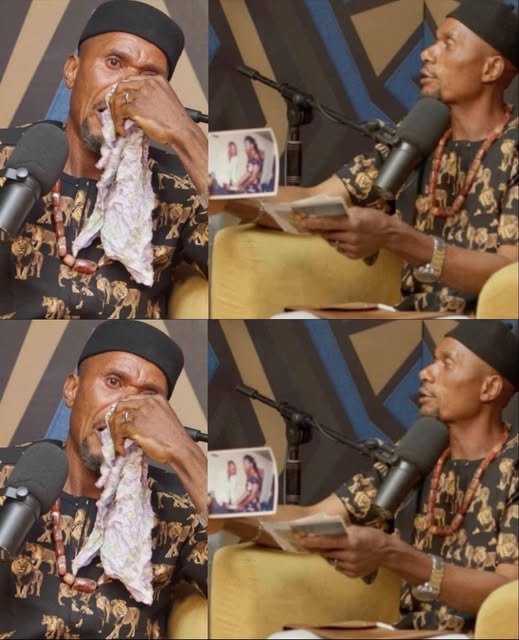
Nollywood actor and filmmaker Yul Edochie has ignited fresh controversy on social media after making a blunt statement on how men should respond to heartbreak and failed relationships.
Key highlights:
- Yul Edochie sparked debate after saying men should not cry over failed relationships.
- He urged men to focus on self-improvement, success, and career growth after heartbreak.
- Critics accused him of promoting unhealthy views of masculinity and emotional suppression.
- Some supporters said his comments encouraged resilience and discipline.
In a post shared on his official X account, the actor dismissed emotional reactions from men following breakups, arguing that crying over a woman reflects weakness and poor judgment.

“Na mumu dey cry for woman. Abomination! Go and follow me on X, where I teach men how to be real men,” he wrote.
He further advised men to detach immediately after relationships end, urging them to redirect their focus toward personal development, financial stability, and career growth rather than emotional recovery.
According to him, lingering emotional attachment after a breakup diminishes a man’s value. He argued that men should instead concentrate on becoming more successful, suggesting that success naturally attracts better romantic opportunities.
He added “A real man never cries bcos of a woman. Never! If your woman leaves you, wish her well and focus on yourself.
Read Also:
- Judy Austin’s ex-husband Emmanuel Obasi rules out reconciliation
- Actress Judy Austin-Edochie’s ex-husband alleges death threats
- Yul Edochie wishes estranged Wife May Edochie well amid divorce battle
“The moment you achieve that, countless beautiful women will flock to you. If you keep crying for a woman, you’re confirming to her and others that you’re a loser.”
The comments quickly generated backlash online, with critics accusing him of promoting a rigid and emotionally restrictive model of masculinity that discourages men from expressing vulnerability or seeking emotional healing after breakups.
Mental health advocates also cautioned that such narratives may reinforce emotional suppression among men, particularly in environments where openness about mental health is already stigmatized.
However, some social media users defended the remarks, interpreting them as encouragement for resilience, discipline, and self-improvement after heartbreak rather than emotional denial.
The debate continues to trend online, reflecting a sharp divide between those who view the comments as motivational advice and others who describe them as harmful to men’s emotional wellbeing.