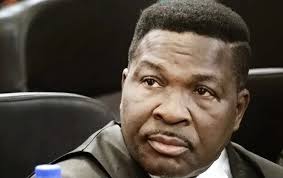
The suspension of Chief Mike Ozekhome from the rank of Senior Advocate of Nigeria (SAN) has renewed public discussion about the standards, responsibilities and ethical expectations attached to Nigeria’s highest legal distinction.
Key Highlight:

- Mike Ozekhome Suspended as SAN – The Legal Practitioners’ Privileges Committee (LPPC) suspended Chief Mike Ozekhome from the rank of Senior Advocate of Nigeria pending the outcome of disciplinary proceedings against him.
- SAN Rank Comes with Strict Ethical Obligations – The SAN title is Nigeria’s highest legal honour, but holders can be suspended or stripped of the rank for professional misconduct, dishonesty, fraud, or conduct that tarnishes the image of the legal profession.
- Suspension Linked to London Property Dispute – Ozekhome’s suspension is connected to allegations arising from a disputed property located at 79 Randall Avenue, London, and claims involving the alleged use of a fake Nigerian passport.
- Criminal Charges Ongoing – Ozekhome and Ponfa Useni are currently facing a 12-count charge before the Federal Capital Territory High Court, although both defendants have pleaded not guilty and were granted bail.
- LPPC to Decide Final Outcome – The outcome of the disciplinary proceedings will determine whether Ozekhome’s SAN rank is restored, further sanctions are imposed, or additional disciplinary measures are taken.
The SAN rank is widely regarded as the pinnacle of achievement in the Nigerian legal profession. It is awarded to lawyers who demonstrate exceptional advocacy skills, professional excellence, integrity and outstanding contribution to the administration of justice.
However, the honour is not an untouchable lifetime privilege. A Senior Advocate of Nigeria can lose the title if found to have fallen short of the standards expected of the rank.
The Legal Practitioners’ Privileges Committee (LPPC), the body responsible for regulating the conferment and discipline associated with the SAN title, has powers to suspend or remove a lawyer from the rank where serious ethical or professional concerns arise.
Grounds that may lead to the suspension or withdrawal of the SAN rank include professional misconduct, dishonesty, abuse of legal procedures, misleading the court, falsification of documents, fraudulent conduct, or any behaviour capable of bringing the legal profession into disrepute.
A SAN is also expected to uphold the dignity and reputation of the profession both inside and outside the courtroom. Conduct unbecoming of a legal practitioner, serious criminal allegations or actions that undermine public confidence in the justice system may trigger disciplinary proceedings.
Where necessary, the LPPC may suspend a Senior Advocate pending the outcome of investigations. During such suspension, the lawyer is prohibited from presenting himself or herself as a SAN until the matter is finally determined.
This power was recently exercised in the case of Chief Mike Ozekhome.
Read also:
- Bayelsa To Establish Waterways Agency, Targets Black Sand Economy
- Troops Of Operation Fansan Record Major Breakthroughs, Rescue Kidnapped Victims in Sokoto, Katsina Raids
- US Names Nigerian, Three Lagos, Kano Firms As ISIS Financiers, Imposes Terrorism Sanctions
- Portal Glitch Halts NELFUND Upkeep Payments For Two Months, Thousands of Students Stranded
The LPPC suspended Ozekhome from the rank of Senior Advocate of Nigeria pending the conclusion of disciplinary proceedings against him.
In a statement issued by the Chief Registrar of the Supreme Court, Kabir Akanbi, the committee said the decision was reached at its 173rd general meeting held on June 23, 2026.
The suspension was approved pursuant to paragraph 26(6) of the guidelines for the conferment of the rank of Senior Advocate of Nigeria and matters relating to the rank.
The committee stated that the action was taken to protect the integrity, dignity and prestige of the SAN title while the issues under review are being considered.
“Accordingly, Chief Mike Ozekhome shall refrain from parading himself, presenting himself, or otherwise holding himself out as a Senior Advocate of Nigeria pending the final determination of the disciplinary proceedings,” the statement said.
The disciplinary action is linked to allegations arising from a disputed property matter involving a property located at 79 Randall Avenue, London NW2 7SX.
Ozekhome is standing trial alongside Ponfa Useni, son of the late former Minister of the Federal Capital Territory, Lieutenant General Jeremiah Useni, over allegations bordering on the use of a fake Nigerian passport in connection with the property dispute in the United Kingdom.
The duo was arraigned before Justice Chizoba Oji of the FCT High Court sitting in Maitama in February on a 12-count charge. They pleaded not guilty and were granted bail.
The controversy originated from ownership claims over the London property.
Ozekhome maintained that he received the property as a gift from a man identified as “Mr Tali Shani” in 2021. The opposing side, however, claimed that “Ms Tali Shani” was the rightful owner.
During proceedings, “Mr Tali Shani” testified in support of Ozekhome, claiming ownership of the property since 1993 and stating that he had transferred it through powers of attorney.
He also claimed to have appointed the late General Useni as property manager, describing him as an elder friend and business associate.
However, documents presented by witnesses on behalf of the opposing claimant, including identification documents and other records, became central to the dispute.
The UK property tribunal later found that documents tendered in support of the claim by “Ms Tali Shani” were fraudulent and dismissed the case, ruling that neither “Mr” nor “Ms” Tali Shani existed.
The outcome of the disciplinary proceedings before the LPPC will determine the next stage of the matter. Depending on the findings, the committee may restore the SAN rank, impose further sanctions or take additional action allowed under its rules.
The case has once again highlighted the principle that the SAN title, despite its prestige, comes with a higher level of accountability. Those who receive the honour are not only recognised for legal brilliance but are also expected to remain symbols of integrity, professionalism and trust in the justice system.