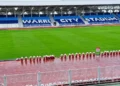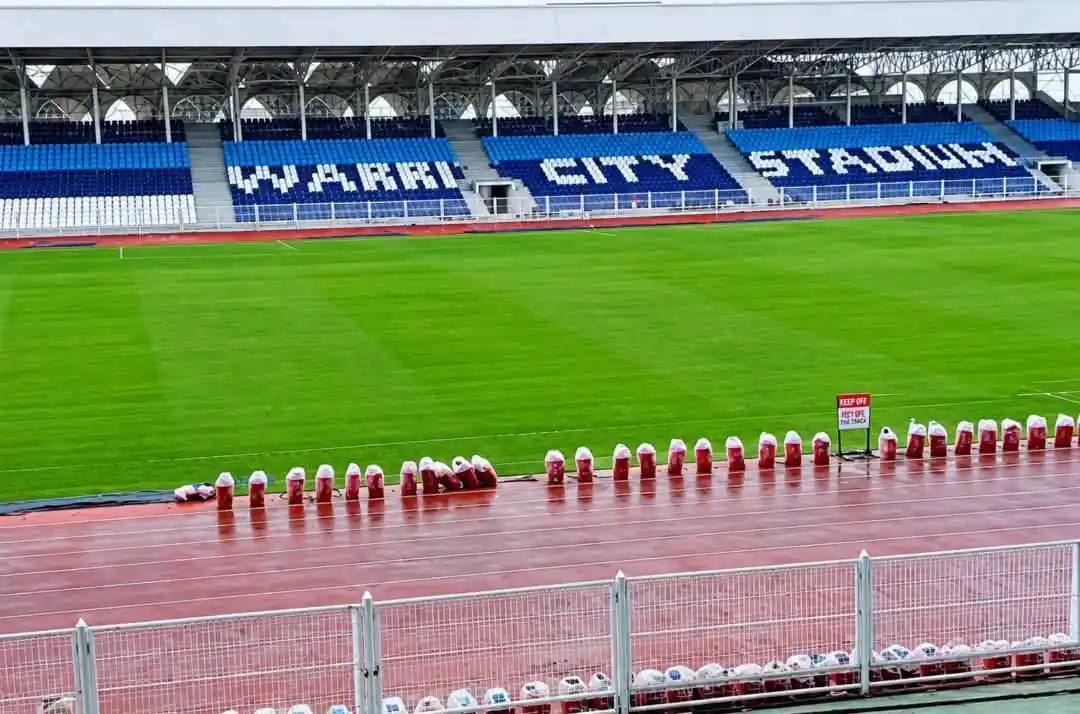
The reconstruction of Warri Township Stadium in Delta State has reached 98 per cent completion, with the multi-billion-naira sports facility scheduled for commissioning on November 15, 2026, as residents call on the state government to establish a sustainable maintenance system to prevent another period of decay.
Latest: Warri news today: latest updates from Warri and Effurun

The extensively refurbished stadium, estimated to have gulped ₦30 billion, is expected to restore Warri‘s position as a major sporting destination in the Niger Delta and provide a permanent home for Nigeria Premier Football League (NPFL) side, Warri Wolves.
Key Highlights
- Warri Township Stadium reconstruction has reportedly reached 98 per cent completion.
- Delta State Government plans to commission the facility on November 15, 2026.
- The project, executed by Peculiar Ultimate Concerns Limited, is estimated to cost ₦30 billion.
- The upgraded stadium includes a FIFA-standard football pitch, athletics track, swimming pool and indoor sports hall.
- Warri Wolves are expected to return to the stadium as their permanent home ground.
- National Institute for Sports Director-General Philip Shaibu has stressed the need for a sustainable maintenance plan.
- Residents want transparency, proper management and protection of the playing surface.
Warri Stadium Gets Major Infrastructure Upgrade
The reconstruction project, executed by Peculiar Ultimate Concerns Limited, involved an extensive overhaul of the ageing stadium, which had suffered years of neglect, flooding and deteriorating facilities.
The once-dilapidated venue has been transformed into a multi-sport complex featuring modern facilities designed to accommodate football, athletics, swimming and other sporting activities.
Among the major improvements are a FIFA-standard natural grass playing pitch with automated irrigation, a multi-level underground drainage system designed to tackle flooding, upgraded floodlights and new blue-and-white seating with an estimated capacity of between 17,000 and 20,000 spectators.
Other facilities include a new indoor sports hall, an Olympic-size swimming pool complex, a World Athletics-standard tartan track, hospitality suites, a voice operating centre, improved dressing rooms and modern media facilities.
Contractor officials have also described the playing surface as a hybrid grass pitch, alongside a nine-lane athletics track designed to meet World Athletics standards.
The complex reportedly includes basketball, volleyball and tennis courts, two dedicated practice pitches and improved security and surveillance systems.
To address the stadium’s previous flooding problems, the contractor said the pitch was raised and constructed with multiple layers, including a concrete foundation, to prevent water accumulation during heavy rainfall.
Warri Wolves Set For Return To Home Ground
The upgraded stadium is expected to provide a major boost to Warri Wolves, who are expected to adopt the facility as their permanent home ground following its commissioning.
The NPFL side has played its home matches at alternative venues, including Oleh Township Stadium, during the prolonged reconstruction of the Warri facility.
The return to a modern stadium is expected to improve the club’s match-day experience, attract larger crowds and provide better conditions for players and technical officials.
The stadium is also expected to host its first competitive fixtures shortly after the November 15 commissioning.
Governor Sheriff Oborevwori’s administration has prioritised the project as part of its infrastructure and sports development agenda for Warri and Delta State.
Beyond football, the upgraded facility is expected to accommodate athletics competitions, swimming events and other sporting activities, potentially strengthening Warri’s profile as a sports destination in the Niger Delta.
Philip Shaibu, NFF President Inspect Warri Stadium
During a recent inspection of the facility, the Director-General of the National Institute for Sports, Philip Shaibu, joined Governor Sheriff Oborevwori, Nigeria Football Federation (NFF) President Ibrahim Musa Gusau, former NFF President Amaju Pinnick and other CAF and FIFA officials on a tour of the stadium.
The delegation inspected the football pitch, spectator stands, athletics track and other supporting facilities.
The visitors reportedly expressed satisfaction with the progress and quality of work.
However, Shaibu drew attention to the importance of maintaining the facility after its commissioning.
He warned that constructing modern sporting infrastructure would achieve little if the facilities were allowed to deteriorate after completion.
“It is not just about building beautiful stadiums; it is about ensuring long-term maintenance reliability. Facilities like this must not fall into disrepair after commissioning,” he said.
He urged the Delta State Government to establish a structured maintenance arrangement with the contractors, insisting that responsibilities should be clearly defined before the final handover.
Shaibu also expressed optimism that the upgraded stadium could eventually host major international fixtures, including matches involving the Super Eagles of Nigeria, subject to the relevant approvals and requirements.
Read also:
- Gov. Oborevwori Inspects Warri Stadium, assures of timely, quality completion
- Ex-Warri Wolves Captain Ekene Olisema Seeks Delta Government Intervention Over ₦7.25m Contract Dispute
- Team Delta Sweeps South-South Qualifiers For National
Warri Residents Demand Sustainable Stadium Maintenance
Despite the excitement surrounding the reconstruction, residents have expressed concern over the long-term management of the facility.
Their concerns are rooted in the stadium’s history of neglect after its initial construction under former Governor James Ibori and subsequent completion under his successor.
The facility deteriorated after it failed to host the FIFA U-17 World Cup in 2009, with reports of damaged roofing, poor maintenance and persistent waterlogging affecting its playing surface.
The experience has made residents cautious about the latest investment.
Many now argue that the success of the reconstruction should be measured by how well the facility is maintained in the years following its commissioning.
Four major expectations have emerged from the public debate.
1. A Properly Funded Maintenance Plan
Residents want the government to establish a clearly defined and adequately funded maintenance programme, with a designated facility manager responsible for its implementation.
They argue that maintenance should be backed by an enforceable agreement rather than general promises.
The contractor has previously indicated that routine maintenance was included in the agreement with the Delta State Government.
2. Protection Of The Football Pitch
The playing surface has also become a major concern.
The Managing Director of Peculiar Ultimate Concerns Limited, Lanre Adeleke, reportedly advised the government and residents against using the football turf for non-football social activities.
He warned that restoring the pitch to the required standard after inappropriate use could cost about ₦12 million.
The warning has generated concerns among football supporters who fear that political rallies, religious programmes, concerts and other non-sporting events could damage the playing surface.
3. Community Participation And Access
Residents have also called for structured access to the facility for local sports clubs, schools, athletics associations and supporters’ groups.
They believe community participation in the management and use of the stadium would encourage a stronger sense of ownership and discourage neglect.
4. Transparency In Revenue And Expenditure
With an estimated ₦30 billion invested in the reconstruction, residents want transparency in the management of the facility’s revenue.
They have called for clear information on booking charges, sponsorship arrangements, match-day revenue and how the proceeds will be reinvested in maintenance.
According to them, a transparent financial management system would help ensure that the stadium remains functional without depending entirely on fresh government funding.
Warri Stadium Could Become International Sports Destination
If the November 15 commissioning takes place as scheduled, Warri will regain a major sporting facility capable of hosting top-flight football, national athletics competitions and potentially international events.
The contractor has expressed confidence that the upgraded stadium could become an important sports destination for African countries, reducing the need for some West African nations to travel to Morocco or South Africa for international fixtures.
However, the long-term success of the project will depend on effective management, regular maintenance and responsible use of the facilities.
For Warri residents, the real test will come months and years after the commissioning ceremony, when the floodlights must continue working, the drainage system must withstand heavy rainfall, the athletics track must remain in good condition and the football pitch must retain its quality.
After years of neglect, Warri is preparing to welcome back its stadium.
Residents now want assurances that the facility will remain a sporting asset for generations rather than become another abandoned public infrastructure project.
For more Delta sports updates, follow us on X.