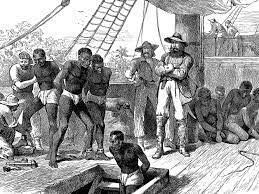
A professor of military history in the Department of History and International Studies at the University of Uyo, Ubong Umoh, has traced the origins of persistent conflicts in the Niger Delta to the transatlantic slave trade, describing current violence as a continuation of long-standing historical patterns.
Prof. Umoh made the assertion while delivering the institution’s 131st inaugural lecture titled: “Cause, Course and Consequences of Change and Continuity in the Small Wars of Nigeria’s Niger Delta,” held at the 1,000-capacity auditorium at the university’s main campus in Nwaniba, Uyo.
According to the scholar, conflicts in the region have evolved over centuries but remain fundamentally driven by recurring issues such as resource control, marginalisation, and perceived exploitation.

He argued that despite shifts from slave trading to palm produce and later oil and gas, the underlying causes of unrest have changed very little.
The academic explained that early hostilities in the Niger Delta were shaped by rivalries among indigenous trading groups and resistance to European imperial forces, particularly during the activities of the Royal Niger Company.
These tensions, he noted, led to frequent raids, expeditions, and insurgencies throughout the 19th and early 20th centuries.
In contemporary times, Prof. Umoh said, these historical dynamics have transformed into militancy, insurgency, and organised criminal activities.
Armed groups operating in the region’s creeks, he added, now sustain illicit economies through oil theft, kidnapping, and piracy.
He highlighted the region’s difficult terrain, an extensive network of rivers and creeks, as a major factor enabling guerrilla-style warfare and hindering effective military intervention across different periods.
Read also:
- Ghana demands compensation for slavery in landmark UN vote
- Namibia marks colonial genocide for first time with Memorial Day
- On slave trade day, Obaseki urges global efforts against trafficking
The professor also examined the evolution of military responses, from colonial-era gunboat diplomacy to modern counterinsurgency strategies involving air power and joint task forces.
However, he maintained that approaches such as eliminating group leaders or deploying overwhelming force have failed to break the cycle of violence.
Prof. Umoh emphasised that the Niger Delta represents a clear example of how unresolved structural challenges can perpetuate conflict across generations.
He concluded that the region’s experience reflects a broader historical reality where past struggles continue to shape present realities, reinforcing cycles of instability.