Heritage Energy Operational Services Limited (HEOSL) faces mounting pressure to meet its October 31 cleanup deadline following the Trans-Forcados pipeline oil spill, which has reportedly affected 216 communities in Warri South-West Local Government Area of Delta State.
The spill has disrupted fishing activities, raised concerns over water contamination and contributed to fish scarcity and higher prices in local markets. With the deadline approaching, affected communities are demanding evidence that the leak has been stopped and that environmental remediation will deliver lasting results.

Key Highlights
- HEOSL faces an October 31 deadline for its response to the Trans-Forcados pipeline spill.
- The number of affected communities has reportedly risen from an initial estimate of 86 to 216.
- Odidi and Yeye communities remain central to disputes over the spill’s precise location.
- HEOSL says specialist teams are conducting underwater pipeline repairs and pressure tests.
- Ijaw Youth Council President Dr Doubra Okotete has alleged that crude oil continued leaking through damaged pipeline infrastructure.
- Delta State has deployed 10 medical teams for free medical outreach in affected riverine communities.
- Residents say fishing livelihoods, waterways and access to safe water remain major concerns.
Trans-Forcados Pipeline Spill: Has the Leak Been Stopped?
The most urgent question for residents of the affected communities is whether the source of the crude oil spill has been secured.
According to HEOSL General Manager of Operations Integrity, Nelson Wilbert, specialist divers and welders have been working beneath the Forcados River to address water blockages and conduct pressure tests. The procedures are intended to support the permanent repair of the damaged pipeline and the safe resumption of normal operations.
HEOSL has maintained that the technical interventions were expected to be completed by the end of October, ahead of further discussions on cleanup and compensation.
However, community concerns remain unresolved. Dr Doubra Okotete, president of the Ijaw Youth Council (IYC), has alleged that crude oil continued to leak and was being pumped through damaged pipeline networks weeks after containment measures should have been completed.
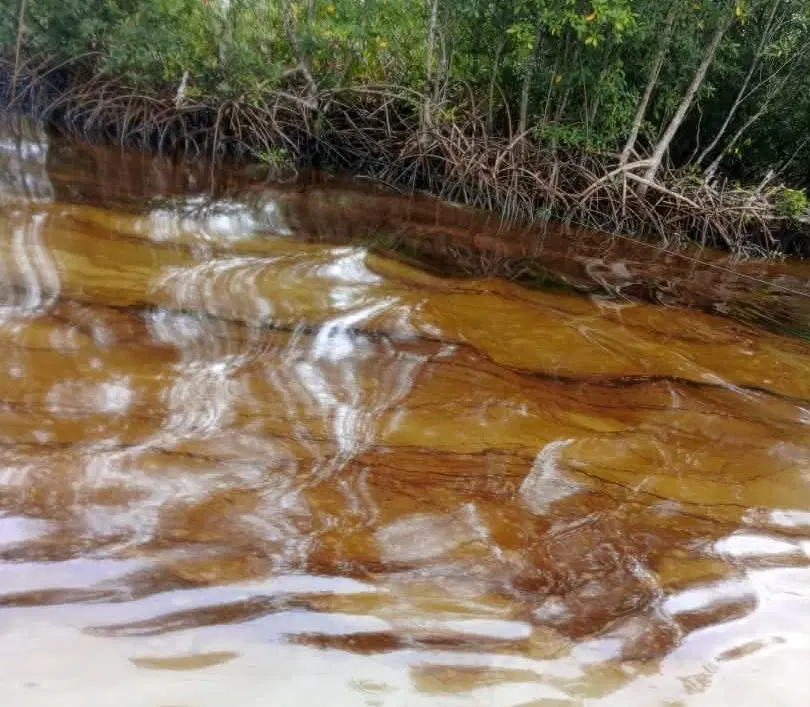
Community leaders in Odidi have also raised concerns about residual oil sheen and tidal movements reportedly carrying crude into surrounding creeks.
These claims underscore the need for independently verified information on the status of the leak, the effectiveness of containment measures and the extent of pollution. Completion of engineering work alone would not establish that affected waterways and surrounding ecosystems had been restored.
216 Communities Reportedly Affected by Oil Spill
The reported impact zone has expanded from an initial estimate of 86 communities to 216 documented communities, increasing the scale of the response required.
The affected area includes Odidi and Yeye, whose residents depend substantially on the surrounding waterways for fishing and other livelihoods.
Crude oil pollution can damage aquatic habitats, contaminate water sources and disrupt fishing activities. Residents have reported fish scarcity and rising prices in local markets, adding economic pressure to concerns about environmental damage.
The full extent of the impact will depend on the verified spill volume, the duration of the discharge, the movement of oil through the waterways and the results of environmental assessments.
A comprehensive response will therefore require clear documentation of affected locations, transparent assessment findings and a remediation plan that addresses both immediate pollution and longer-term ecological recovery.
Odidi and Yeye Dispute Spill Location
The precise location of the pipeline failure has emerged as another contentious issue.
Leaders from Yeye have reportedly petitioned legislative authorities, arguing that historical boundary documents dating to the 1960s support their position that the failed facility is located on Yeye land rather than Odidi territory.
The dispute has implications for regulatory documentation and any host-community arrangements connected to the Petroleum Industry Act (PIA).
The National Oil Spill Detection and Response Agency (NOSDRA) and the Nigerian Upstream Petroleum Regulatory Commission (NUPRC) have important roles in oil spill monitoring, regulatory oversight and relevant assessments. Establishing the location of the rupture through verified coordinates and technical records would help clarify the incident’s geographical footprint.
The competing community claims should be resolved through documented evidence and the appropriate process. The disagreement should not delay urgent containment, health protection or cleanup measures for communities already affected by the spill.
Read also:
- Trans-Forcados Oil Spill: Oborevwori Orders Medical Intervention, Approves Odidi Jetty
- Odidi Oil Spill: Community Chairman Demands Urgent Action, Warns Against Unauthorised Protests
- Apex Isoko Youth Body Issues 72-Hour Ultimatum to Heritage Energy Over Oil Spillage in Uzere
Delta Deploys 10 Medical Teams to Affected Communities
Health intervention has been one of the reported responses to the spill.
Following an inspection of the affected area, Delta State Governor Sheriff Oborevwori reportedly directed officials to address the risks facing residents exposed to pollution.
The Delta State Ministry of Health subsequently activated a free medical outreach programme, deploying 10 specialised medical teams to affected riverine communities.
According to reports, the teams have been conducting medical checks and toxicity screenings for residents reporting concerns including respiratory problems and skin irritation.
The outreach is intended to help identify health concerns and provide medical attention to affected residents. However, the findings of the screenings, the number of people reached and any follow-up treatment arrangements would help establish the programme’s impact.
The Warri South-West Local Government Council has also reportedly been directed to begin work on a modern health centre, while a new landing jetty has been approved for Odidi to improve access and logistics.
Medical outreach can address immediate health needs, but it cannot replace the need to stop the leak, provide safe water where necessary and restore polluted waterways.
Community Frustration Grows Online
Public discussion surrounding the spill has focused on the October 31 deadline, the reported impact on fishing and the need for a credible cleanup.
Posts on social media have raised concerns about the condition of local waterways, rising fish prices and the dispute between Odidi and Yeye, and have called for environmental remediation and verifiable progress rather than reliance on corporate assurances or relief materials alone.
What Must Happen Before the October 31 Deadline?
With the deadline approaching, the key test is whether HEOSL and the relevant authorities can demonstrate measurable progress on containment and environmental recovery.
Priority actions include:
- Confirming containment: Provide verifiable technical information on whether the damaged pipeline has been secured and whether further leakage has occurred.
- Publishing assessment findings: Clarify the verified number of affected communities and the extent of pollution in rivers, creeks and other affected areas.
- Demonstrating cleanup progress: Report on oil recovery, waste management and remediation activities, including the locations covered.
- Protecting public health: Continue medical assessments, communicate health guidance and provide safe alternative water sources where required.
- Addressing livelihood losses: Explain the process for documenting damage and considering compensation claims under the applicable legal and regulatory framework.
- Resolving the location dispute: Use verified technical and geographical records to establish the spill point without allowing the disagreement to obstruct urgent response work.
The October 31 date is an important milestone, but meeting a deadline should not be treated as proof that the environment has recovered. Cleanup effectiveness and the safety of affected waterways require evidence and appropriate monitoring.
Trans-Forcados Spill Puts HEOSL Under Pressure
The Trans-Forcados pipeline spill has placed HEOSL under pressure to demonstrate that its technical response can deliver results for communities affected by pollution.
Delta State’s reported medical outreach offers a measure of immediate assistance, but concerns about the leak, damaged livelihoods, fish scarcity and the condition of local waterways remain central to the crisis.
For fishermen in Warri South-West, the meaningful outcome will be the safe restoration of their waterways and the ability to return to their livelihoods. That will depend on verified containment, effective remediation, transparent monitoring and sustained engagement with affected communities.
As October 31 approaches, residents and other stakeholders will be looking for evidence of progress on the ground, not simply assurances that work is on schedule.
For more Niger Delta news, follow us on X.