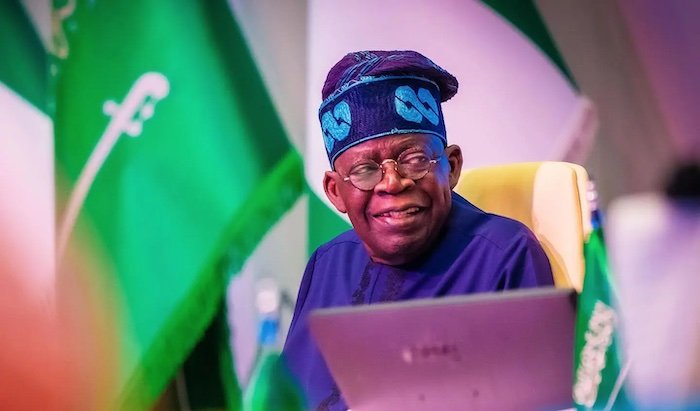
There are strong indications that President Bola Ahmed Tinubu may approve the creation of only one new state at the end of the ongoing constitutional process, following the completion of legislative requirements by the National Assembly and state assemblies. Multiple sources familiar with high-level consultations said that Anioma State is currently the only proposal receiving serious consideration at the Presidency.
According to our source, the push for Anioma State has gained unusual momentum due to its political, historical and geopolitical implications, particularly for the South-East, which remains the zone with the fewest states in Nigeria. Proponents argue that the creation of Anioma State would address long-standing feelings of marginalisation among Ndigbo and restore a sense of balance within the federation.
Discussions around Anioma have intensified in recent weeks, driven in part by renewed advocacy from Senator Ned Nwoko, who has consistently called for a unified Igbo position in support of the proposed state. Anioma, currently part of Delta State, is partly Igbo-speaking, and supporters say its inclusion as the sixth South-East state would correct what they describe as a historical anomaly.

Sources disclosed that consultations are already at an advanced stage among key political stakeholders, including groups both supporting and opposing the zoning of Anioma into the South-East. While some interests in Delta State insist Anioma should remain within the South-South geopolitical zone, others believe its cultural and linguistic identity aligns more closely with the South-East.
Despite the disagreement, presidential sources said the Tinubu administration views Anioma as the most viable option among the numerous state creation requests before the federal government. One senior source explained that the President is weighing the competing arguments carefully but remains focused on equity, justice and national cohesion.
“Anioma State is being considered as a compensatory measure for the South-East and the Igbo people in general,” the source said. “The President understands the sensitivities involved, but he is also concerned about geopolitical balance, fair representation and addressing genuine grievances of marginalisation.”
The source further dismissed reports suggesting that an alternative proposal known as “Anim-Oma State” is under serious consideration. That proposal reportedly seeks to merge parts of Anioma in Delta State with sections of Imo and Anambra states, with Orlu as the proposed capital. Insiders insist such an arrangement does not enjoy significant support within the Presidency.
Under the prevailing plan, Anioma State would retain Asaba as its capital, although officials cautioned that final details could still change before any formal announcement or approval.
While no official date has been fixed for a meeting between President Tinubu and key stakeholders, sources said such engagement is expected after further consultations with the leadership of the National Assembly, which is said to be largely receptive to the Anioma proposal.
Read also:
- Tinubu on state visit to Türkiye, targets expanded cooperation across key sectors
- Rep. Bob slams Bwala over comments on Wike, Rivers crisis
- CP promises community partnership, intelligence-led, tech-driven policing
Senator Ned Nwoko, one of the most vocal advocates of the project, expressed confidence that the long-standing agitation would soon yield results. He described the current moment as historic, noting that the Anioma cause has never enjoyed this level of national attention and institutional backing.
“This is a rare opportunity for the Igbo people to reunite with their kith and kin across the Niger,” Nwoko said. “The Ohanaeze constitution already recognises Anioma as the sixth Igbo state, with Ikwerre as the seventh. It is not surprising that more than 90 senators have openly declared support for the creation of Anioma State.”
As pressure mounts from various quarters and consultations continue behind closed doors, political observers say the decision on state creation could become one of the most consequential federal actions of President Tinubu’s administration, with far-reaching implications for Nigeria’s political structure and regional balance.