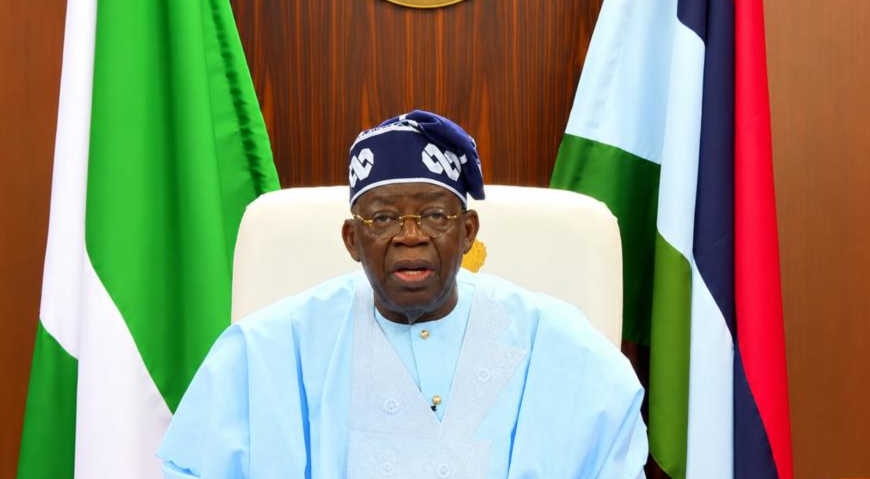
Opposition figures and commentators have criticised President Bola Tinubu’s Independence Day address, arguing that the speech did not adequately address the economic hardship facing many Nigerians. Tinubu delivered the nationwide broadcast on Thursday, October 1, 2026, as Nigeria marked its 66th Independence anniversary.
Key Highlights
- Opposition figures criticised the Tinubu Independence Day address over continuing economic hardship.
- Tinubu defended the economic reforms introduced since 2023 and said the emergency phase of the reforms had ended.
- The President said the government’s priority had shifted from economic reform to shared and widespread prosperity.
- Tinubu ruled out a return to fuel subsidies and identified reducing the cost of living as a major priority.
- AAC presidential candidate Omoyele Sowore said poverty, unemployment, hunger and insecurity continued to undermine the meaning of independence.
- Publisher and commentator Dele Momodu was also reported to have criticised the tone and focus of the address.
- The criticism comes amid renewed labour demands for lower petrol prices, wage relief and negotiations for a new minimum wage.
Tinubu Defends Economic Reforms
In his Independence Day address, Tinubu defended the reforms implemented since his administration came to power, arguing that they were necessary to address longstanding economic distortions.

The President compared Nigeria’s earlier economic situation to a patient suffering from cancer and said previous administrations had relied on temporary relief instead of confronting the underlying problems.
Tinubu said his administration had chosen to undertake difficult reforms despite their immediate effects.
“The reforms that followed were difficult. The side effects were real,” the President said, while maintaining that the reforms confronted rather than created the country’s economic weaknesses.
He also ruled out a return to what he described as “addictive subsidies” and said the government had reached a turning point after three years of reforms.
Tinubu Declares ‘Age of Prosperity’
Tinubu said the government had moved beyond the emergency phase of its economic programme and was now focused on delivering shared prosperity.
According to the President, the next phase would prioritise reducing the cost of living, increasing agricultural production, improving infrastructure, supporting businesses and creating productive employment opportunities.
He said the government would focus on lowering the cost of producing and transporting goods, while expanding mechanised farming, improving storage and transportation infrastructure and supporting industrial growth.
Tinubu also highlighted government programmes involving social support, education financing, consumer credit and primary healthcare as measures intended to assist vulnerable Nigerians.
Read also:
- ‘For Too Long, Nigeria’s Past Leaders Chose Morphine’ as Tinubu Defends Economic Reforms
- Tinubu’s ‘Age of Prosperity’ Speech Sparks Mixed Reactions on X
- NLC Demands Lower Petrol Prices, Wage Award, New Minimum Wage on Independence Day
Sowore Faults Independence Day Message
Omoyele Sowore, presidential candidate of the African Action Congress, criticised the government’s record while marking the anniversary.
Sowore argued that Nigeria’s independence could not be fully celebrated while many citizens continued to experience poverty, hunger, unemployment and insecurity.
He said the country’s independence promise included freedom, dignity, prosperity, justice and equality, and called for improved wages and access to education, healthcare and electricity.
Sowore’s comments represent the position of an opposition political figure and are not an independent assessment of the government’s economic record.
Dele Momodu Also Criticises Address
Publisher and commentator Dele Momodu was also reported to have faulted the President’s Independence Day address.
Accounts of Momodu’s reaction indicated that he questioned the tone and substance of the speech, arguing that the occasion should have addressed the immediate concerns confronting Nigerians.
The reported criticism adds to the wider public debate over whether the economic gains highlighted by the Federal Government are being sufficiently reflected in household living conditions.
Labour Demands Lower Petrol Prices, Wage Relief
The criticism comes as organised labour continues to demand measures to ease the cost of living.
The Nigeria Labour Congress called on the Federal Government to reduce petrol prices, implement a nationwide wage award and begin negotiations for a new national minimum wage. The union said rising transportation, food, rent and education costs had eroded workers’ purchasing power.
Separately, public-sector groups under the Joint National Public Service Negotiating Council have threatened a three-day warning strike beginning October 2 over demands including lower petrol prices and implementation of a wage award.
Economic Hardship Remains Central Political Issue
The competing positions highlight a continuing debate over the effects of Tinubu’s economic reforms.
The Federal Government maintains that the reforms were necessary to correct longstanding structural problems and says economic indicators have improved. In his Independence Day address, Tinubu said Nigeria’s economy had grown by more than four per cent in 2026, inflation had fallen from its peak, foreign reserves had been rebuilt and foreign exchange conditions had stabilised.
Opposition figures and labour groups, however, have continued to focus on the impact of higher living costs, wages, petrol prices, unemployment and insecurity on households.
The contrasting positions are expected to remain part of the wider political debate as Nigeria approaches the 2027 general elections. For more updates on this and other stories, follow us on X.