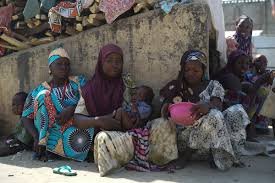
Nigeria has once again been listed among the world’s most severe hunger hotspots, with the United Nations warning that parts of Borno State could face catastrophic levels of food insecurity and famine in the coming months if urgent intervention is not provided.
Key Highlights:
Nigeria ranked among the world’s top hunger hotspots in latest UN report
Parts of Borno State face risk of catastrophic hunger and possible famine
North-East Nigeria joins Sudan, South Sudan, Yemen, Palestine, and Somalia in highest-risk category
Armed conflict, economic hardship, climate shocks, and funding cuts identified as key drivers
Humanitarian funding to crisis-hit countries declined by 59% between 2022 and 2025
About 266 million people across global hotspots face severe food insecurity
UN agencies call for urgent action to prevent famine and save lives

The warning is contained in the latest Hunger Hotspots Report jointly released by the Food and Agriculture Organization (FAO) and the World Food Programme (WFP), which identified Nigeria and 12 other countries and territories where food insecurity is expected to worsen between June and November 2026.
According to the report, North-East Nigeria has now been placed in the highest-risk category alongside countries such as Sudan, South Sudan, Yemen, Palestine, and Somalia due to growing concerns over famine conditions.
“Nigeria has entered the highest-risk category after forecasts showed parts of Borno could face catastrophic hunger,” the report stated.
The UN agencies attributed the worsening crisis to a combination of armed conflict, economic pressures, climate-related shocks, and declining humanitarian assistance.
Acting Executive Director of the WFP, Carl Skau, noted that conflict remains the leading driver of hunger globally, affecting 12 of the 13 countries and territories classified as hunger hotspots.
“Conflict, shocks and disasters are forcing families to make impossible decisions about who gets to eat and who goes to bed hungry,” Skau said.
The report further revealed that funding for food assistance, emergency agricultural programmes, and nutrition interventions in crisis-affected countries declined by approximately 59 per cent between 2022 and 2025, representing the sharpest drop in humanitarian support in the last decade.
As a result, an estimated 266 million people across the identified hotspots are currently experiencing severe food insecurity.
FAO Deputy Director-General Beth Bechdol stressed the importance of immediate and coordinated intervention to prevent the situation from deteriorating further.
“The challenge is whether we act early enough and at the necessary scale,” she said.
The FAO emphasized that emergency agricultural support remains one of the most effective tools for helping vulnerable households sustain food production while reducing dependence on humanitarian assistance.
Read also:
- FG Unveils FreeTV, Offers Nigerians Access To Over 100 Channels At No Cost
- Will State Police End Insecurity Or Create New Problems? Nigerians Weigh Risks, Rewards As House Of Rep Passes Bill
- Elohor Aiboni: First Nigerian Female EVP, Country Chair Nigeria Role Confirmed by Shell
- NELFUND Reaches 1,586,921 Beneficiaries: Is Nigeria’s Education Revolution Finally Taking Shape?
Meanwhile, Jean-Martin Bauer, Director of the WFP’s Food Security and Nutrition Analysis Service, warned that worsening economic conditions and climate change continue to intensify food insecurity across vulnerable regions.
“Economic shocks are compounding food insecurity, and climate change and climate variability are also further intensifying the situation,” Bauer said.
The report called on governments, international partners, humanitarian agencies, and development organizations to urgently scale up assistance to avert famine, protect livelihoods, and save millions of lives in some of the world’s most vulnerable communities.