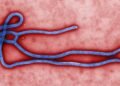
The Minister of Aviation and Aerospace Development, Festus Keyamo, has directed the Nigeria Civil Aviation Authority (NCAA) to place 46 contacts of Nigeria’s confirmed Ebola patient on a no-fly list for 21 days as part of measures to contain the outbreak and prevent further transmission.
Keyamo announced the directive after a virtual meeting with the Coordinating Minister of Health and Social Welfare, Professor Muhammad Ali Pate, to discuss measures for containing the disease.

Key Highlights
- Aviation Minister Festus Keyamo ordered a 21-day no-fly restriction for 46 identified contacts of Nigeria’s confirmed Ebola patient.
- The group comprises 44 people who reportedly came into contact with the patient at a hospital and two members of her domestic staff.
- The NCAA has been directed to notify domestic and international airlines operating in Nigeria.
- The Federal Airports Authority of Nigeria (FAAN) has been instructed to strengthen surveillance at international airports.
- The 21-day monitoring period corresponds to the maximum incubation period for Ebola virus disease.
- Being identified as a contact does not mean that a person has contracted Ebola.
Keyamo Directs NCAA to Restrict 46 Ebola Contacts From Flying
According to the minister, the 46 individuals comprise 44 people who came into contact with the patient at a hospital after she developed symptoms and two members of her domestic staff.
Keyamo directed the NCAA to notify all domestic and international airlines operating in Nigeria and ensure that the identified individuals are restricted from air travel throughout the 21-day monitoring period.
He also instructed the Federal Airports Authority of Nigeria to strengthen surveillance and preventive measures at international airports across the country.
The measures are intended to reduce the risk of further transmission while public health authorities monitor the identified contacts and continue investigations into the confirmed case.
Why the Ebola No-Fly Restriction Will Last 21 Days
The 21-day restriction corresponds to the maximum incubation period for Ebola virus disease. According to public health guidance, symptoms can develop between two and 21 days after exposure.
During this period, identified contacts may be monitored for symptoms that could indicate infection, allowing health authorities to respond promptly if a suspected case emerges.
However, being listed as a contact does not mean that an individual is infected with Ebola. Contact identification is part of the public health process for assessing possible exposure and reducing the risk of transmission.
Read also:
- BREAKING: Ebola Case Confirmed in Abuja as Health Authorities Begin Contact Tracing
- Reps Demand Release Of Emergency Health Funds After Ebola Outbreak
- Delta Silent on Public Ebola Preparedness as Neighbouring States Activate Response Plans
- Ebola Case Triggers 2027 Election Conspiracy Claims as Nigerians Question FG’s Response
How Ebola Virus Disease Spreads
Ebola virus disease is a severe illness that can be transmitted through direct contact with the blood or other bodily fluids of an infected person who has developed symptoms. Transmission can also occur through contact with contaminated objects and materials.
Symptoms may include fever, headache, muscle pain, weakness, vomiting and diarrhoea.
People who may have been exposed to the virus are advised to follow instructions from public health authorities and report symptoms promptly. They should avoid self-diagnosis and seek guidance from appropriate health officials.
Nigeria Strengthens Ebola Surveillance at Airports
The aviation restrictions form part of broader measures to limit the risk of Ebola transmission and strengthen public health safeguards.
The NCAA’s role in communicating the restrictions to airlines is intended to support compliance with the directive, while FAAN has been instructed to enhance surveillance and preventive measures at international airports.
Health authorities are expected to continue contact tracing, monitoring and investigations as part of the response to the confirmed case.
The effectiveness of the measures will depend on coordination between health officials, aviation regulators, airport authorities and airlines.
For verified updates on Ebola in Nigeria, follow us on X.