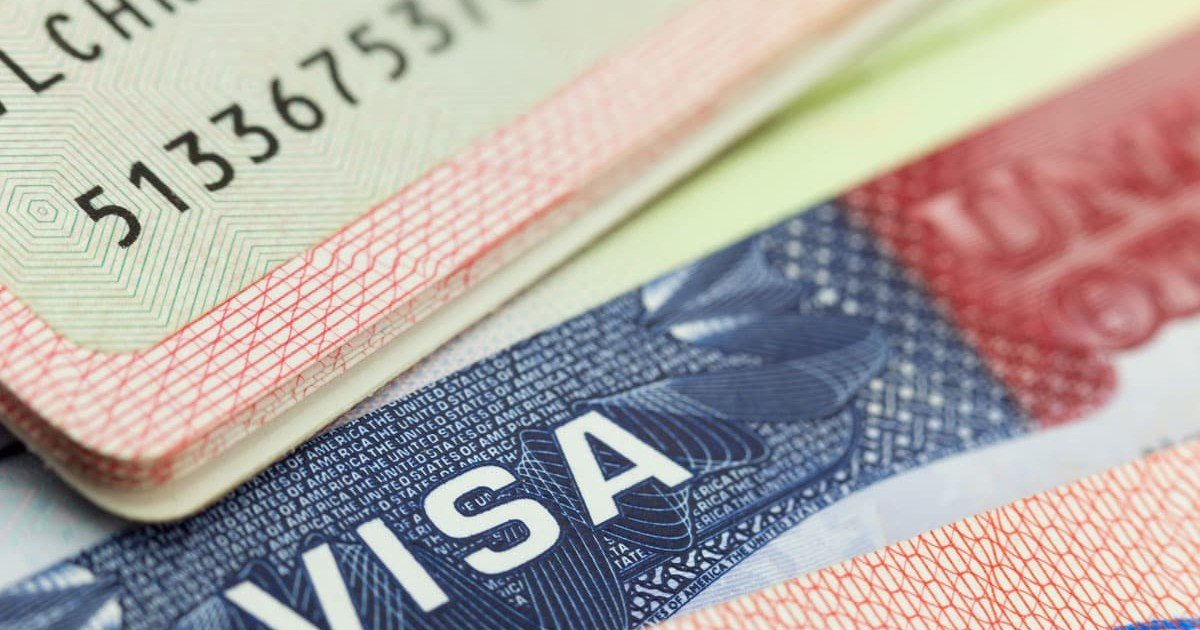
Niger has suspended the issuance of visas to United States citizens in a sharp diplomatic retaliation against Washington’s expanded travel ban targeting Nigerien nationals. The decision, announced by Niger’s Ministry of Foreign Affairs on December 20, 2025, takes immediate effect and signals a deepening rupture between Niamey and the US government.
The move follows a recent proclamation by President Donald Trump expanding US travel restrictions to cover citizens of 19 countries, including Niger. Under the new policy, Nigeriens will face a full suspension of entry into the United States from January 1, 2026, a decision that has drawn strong condemnation from Niger’s authorities.
In a brief statement, Niger’s foreign ministry described the US action as unjust and unilateral, accusing Washington of undermining African sovereignty. The ministry said the visa suspension was based on the principle of reciprocity, adding that while diplomatic and official visas would remain exempt, American citizens seeking entry for tourism, business, or other private purposes would no longer be granted visas through Nigerien missions.

Foreign Minister Bakary Yaou Sangaré said Niger would not accept what he called double standards in international relations. He argued that the United States could not restrict Nigeriens while continuing to demand open access for its own citizens. The decision is expected to affect thousands of Americans who travel to Niger each year for humanitarian work, journalism, mining, and energy-related business.
The US travel ban that triggered the response was formalised on December 16, 2025, under a proclamation titled “Restricting and Limiting the Entry of Foreign Nationals to Protect the Security of the United States.” The White House cited concerns over visa overstays, weak identity verification systems, terrorism risks, and limited cooperation on deportations. US authorities pointed to overstay figures from 2023, which they said raised national security concerns.
Under the new US policy, both immigrant and non-immigrant visas for Nigerien citizens are suspended, with narrow exemptions for permanent residents, diplomats, refugees, certain athletes, and dual nationals travelling on non-Nigerien passports. The measure builds on earlier restrictions imposed in mid-2025, when US visa services in Niamey were temporarily halted amid what Washington described as unresolved issues with the Nigerien government.
In Niamey, however, the restrictions are widely seen as part of broader political pressure following Niger’s military takeover in 2023 and its subsequent break with Western allies. Since the coup that removed President Mohamed Bazoum, Niger has ordered the withdrawal of US and French troops, shut down key Western security partnerships, and strengthened ties with Russia and other non-Western allies.
The visa dispute also reflects deeper tensions over security cooperation and natural resources. Niger is one of Africa’s leading uranium producers, supplying a significant share of global demand. Since the change of government, authorities have moved to assert greater control over the sector, including revisiting contracts and engaging new partners, a shift that has unsettled Western governments.
Read also:
- US places Nigeria on partial travel restriction list over security, Visa overstay concerns
- H-1B Visa renewals to require in-person interview from September as B1/B2 waiver remains in place
- Australia deports first foreign detainees to Nauru in controversial deal
Regional allies have voiced support for Niger’s stance. Burkina Faso and Mali, which are also affected by the US travel ban, have criticised the policy, while the Alliance of Sahel States has described the restrictions as a continuation of foreign domination under a different name. The bloc has increasingly aligned itself away from the West, framing recent diplomatic clashes as part of a broader struggle for independence.
International reaction has been cautious. The African Union has urged dialogue, warning that escalating visa restrictions could further destabilise an already fragile region. Aid groups have also raised concerns, noting that Niger hosts hundreds of thousands of refugees and relies heavily on foreign humanitarian workers, many of whom are American.
For US citizens, the suspension means immediate disruption to travel plans and operations in Niger. The US State Department has advised Americans in the country to exercise caution and has begun exploring alternative arrangements for consular services in neighbouring countries.
As the January deadline for the US ban approaches, analysts say both sides face a narrowing window to de-escalate. For now, the reciprocal visa suspensions underline a hardening standoff, with diplomacy giving way to measures that reflect a rapidly shifting balance of power and influence in the Sahel.