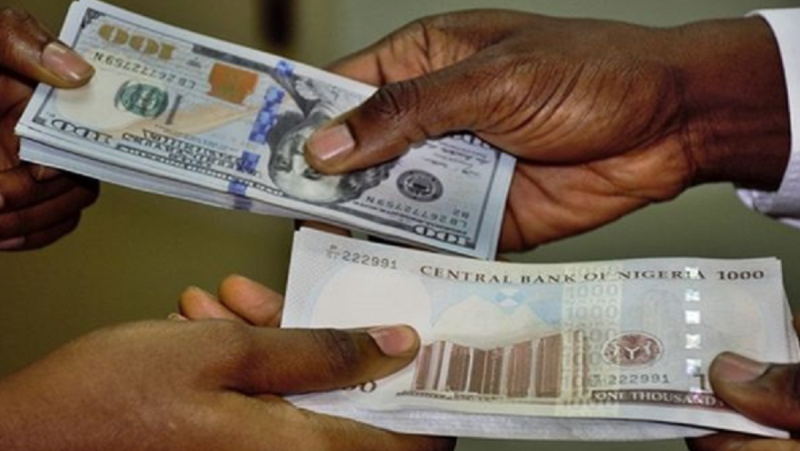
Nigeria’s currency, the naira, recorded modest stability against the United States dollar on Friday, March 27, 2026, trading within the ₦1,350 to ₦1,370 range at the official foreign exchange market.
At the Nigerian Foreign Exchange Market, the naira exchanged at about ₦1,356 per dollar during the trading session, reflecting minimal fluctuations. Throughout March, the currency has largely remained within a narrow band, indicating a period of short-term stability compared to earlier volatility.

Market analysts attribute this trend to sustained interventions by the Central Bank of Nigeria, alongside improved foreign exchange inflows into the official window. These measures have helped ease pressure on the market and stabilise the exchange rate in recent weeks.
Read also:
- CBN restricts banking services for chronic loan defaulters
- Power sector draws $2bn investment as FG slashes liabilities to N146bn
- ICPC tracks ₦21.23tn road, bridge projects to curb corruption — Chairman
Despite this, a gap persists between the official and parallel markets. Checks from bureau de change operators in Lagos and Abuja show that the dollar traded between ₦1,400 and ₦1,420, depending on transaction size and location. The disparity highlights ongoing supply and demand imbalances, with demand for foreign currency still exceeding available supply.
Experts link the naira’s current performance to relatively stable global oil prices, improved external reserves, and consistent central bank policy actions. However, they caution that underlying demand pressures remain strong, particularly from importers and individuals seeking dollars.
While the relative calm at the official market offers temporary relief, analysts note that achieving full exchange rate convergence will depend on sustained liquidity, policy consistency, and broader economic reforms.