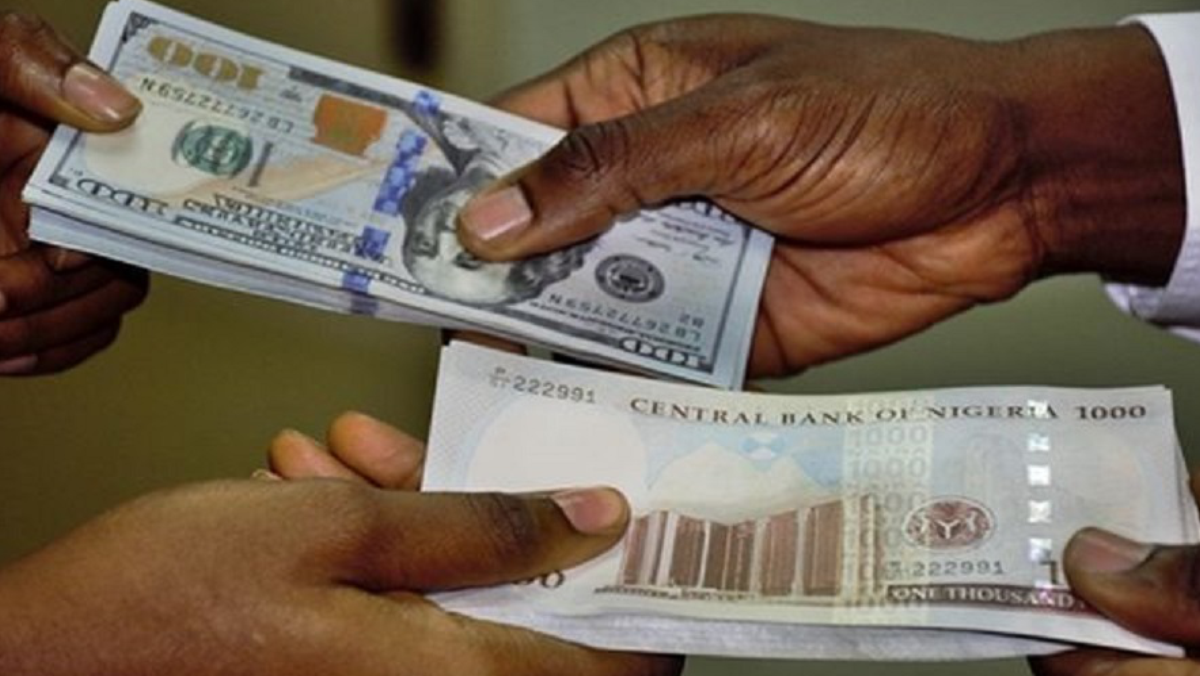
The naira began trading on Monday, April 20, 2026, at approximately ₦1,347.33 per US dollar in the official foreign exchange market, reflecting a slight depreciation at the start of the week.
At the Central Bank of Nigeria (CBN) regulated Nigerian Foreign Exchange Market (NFEM), the currency showed mild pressure due to sustained demand for the Dollar.

This demand is largely driven by importers, international transactions, and remittance obligations.
Despite the pressure, market conditions remained relatively stable, supported by regulatory interventions and improved liquidity within the system.
Analysts noted that the marginal drop compared to last week’s close highlights ongoing adjustments in Nigeria’s FX framework rather than any sharp volatility.
Read Also:
- Naira holds steady at ₦1,340.88/$ amid improved forex stability
- Naira firms slightly against dollar, trades near N1,344
- Naira holds steady at N1,352 against the dollar
In the parallel market, commonly referred to as the black market, the naira traded at higher rates.
Across major commercial hubs like Lagos, Abuja, and Kano, Bureau De Change operators reported buying rates around ₦1,395 and selling rates near ₦1,405 per dollar.
The relatively narrow gap between the official and parallel markets suggests improved dollar liquidity and reduced speculative pressure compared to previous periods.
Experts attribute the naira’s current stability to a mix of domestic policy measures and global economic factors.
Notably, steady crude oil prices have helped bolster Nigeria’s external reserves, providing some support for the local currency.
For businesses and investors, the current trend underscores the importance of closely monitoring exchange rate movements, as gradual fluctuations continue to shape Nigeria’s economic landscape.