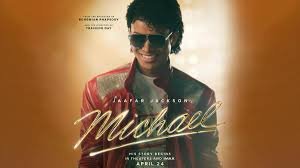
The newly released Michael Jackson biopic, Michael, has sparked widespread debate among Nigerian movie lovers, entertainment commentators, and film analysts, with discussions centering on whether the film presents an accurate portrayal of the late pop icon or deliberately softens the most controversial parts of his life.
Key points:

- Michael has sparked debate in Nigeria over its portrayal of Michael Jackson.
- Critics say the film avoids major controversies and focuses more on protecting Jackson’s image.
- The movie has performed strongly at the Nigerian box office despite mixed critical reviews.
- Many viewers praised Jaafar Jackson for his performance and resemblance to his uncle.
- The film has triggered wider discussions about celebrity legacy and the role of biopics in telling complete stories.
Directed by Antoine Fuqua and starring Jaafar Jackson, the nephew of the late singer, the film has enjoyed impressive commercial success in Nigeria, recording one of the biggest opening weekends of 2026. However, alongside its box-office triumph has come a wave of criticism over its storytelling choices and treatment of Jackson’s legacy.
Among Nigerian entertainment commentators, film analyst and culture writer Daniel Okafor criticized the movie for what he described as image management rather than honest storytelling.
Sharing his reaction on X after watching the film, Okafor wrote:
“I finally watched Michael… and I get why people are arguing. This isn’t a biopic. It’s PR with a budget.”»
While praising Jaafar Jackson’s performance, Okafor argued that the film avoids difficult conversations surrounding Michael Jackson’s personal life.
“The voice, the movement, the aura… he studied Michael Jackson properly. But acting alone can’t save a story that’s scared of itself.”»
Read also:
- Basketmouth slams culture of celebrating failure over excellence
- Ojude Oba Festival: History, meaning and cultural significance of Ijebu’s grand celebration
- 50 Cent’s Baby Mama Daphne Joy draws attention amid online speculation linked to Diddy legal case
- Fans react as videos of Mark Angel’s colourful traditional wedding emerge
He further described the project as “image management,” claiming that “every rough edge is softened” and “every question is quietly dodged.”
Nigerian entertainment journalist Micheal Olaleye of CrispNG also highlighted concerns raised by critics, noting that many reviewers view the film as a sanitized retelling of Jackson’s story.
In his analysis of global reviews, Olaleye pointed out that critics repeatedly described the movie as “shallow,” “emotionally inert,” and overly focused on protecting Jackson’s legacy rather than examining it critically.
Veteran Nigerian media entrepreneur and film executive Mo Abudu offered a more positive perspective. While not directly addressing the controversies, Abudu praised the film’s commercial success and audience reception, highlighting the strong emotional connection many viewers still have with Jackson’s music and legacy.
The criticism from Nigerian analysts mirrors concerns raised internationally. Critics such as Peter Bradshaw of The Guardian described the film as “bland” and “bowdlerised,” while Robert Daniels of RogerEbert.com called it “a filmed playlist in search of a story,” arguing that it prioritizes spectacle over substance.
Much of the controversy revolves around the film’s decision to focus heavily on Jackson’s rise to global fame while largely avoiding the abuse allegations and legal controversies that dominated discussions about the singer during the later years of his life.
Several reviewers have argued that the estate-backed production feels more like a celebration of Jackson than a complete examination of his life.
Despite the backlash, audience reactions have remained largely positive. Many fans have praised the musical performances, choreography, and Jaafar Jackson’s striking resemblance to his uncle, creating a sharp divide between critics and moviegoers.
As conversations continue across Nigeria’s entertainment space, Michael has become more than a film. It has evolved into a larger debate about celebrity legacy, historical accuracy, and whether biopics should celebrate cultural icons or confront every aspect of their lives, including the uncomfortable ones.