Tensions in the Middle East have intensified as Israel rejected mounting international calls to extend the ongoing ceasefire between the United States and Iran to include Lebanon.
Israeli Prime Minister Benjamin Netanyahu said military operations against Hezbollah would continue, insisting that strikes would be carried out “wherever necessary” to safeguard Israeli civilians.

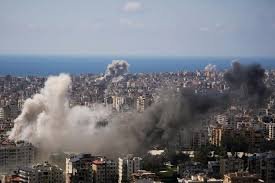
The latest round of Israeli airstrikes in Lebanon has reportedly left more than 300 people dead and over 1,000 injured, sparking global concern and renewed appeals for restraint.
Iran reacted strongly, with parliamentary speaker Mohammad Bagher Ghalibaf warning that Lebanon should be considered part of the ceasefire framework and cautioning that continued attacks could lead to serious consequences.
The escalation comes amid a fragile two-week truce brokered by Donald Trump to create room for negotiations between Washington and Tehran. Planned talks, expected to take place in Pakistan, are now uncertain as tensions rise.
Read Also:
- Iran threatens to withdraw from ceasefire if Israel’s attacks on Lebanon persist
- Christians in Numan mark Easter celebration waving Israeli flags
- Iran confirms death of intelligence chief in US-Israeli strike
Global leaders, including Kaja Kallas, alongside officials from France and the United Kingdom, have urged that the ceasefire be expanded to include Lebanon, warning that continued strikes risk wider instability.
However, U.S. Vice President JD Vance backed Israel’s stance, noting that Lebanon was not part of the original agreement and cautioning that Iran’s push for inclusion could derail ongoing negotiations.
Meanwhile, Hezbollah has reportedly launched retaliatory rocket attacks, heightening fears of a broader regional conflict. With casualties mounting and diplomatic tensions deepening, the ceasefire between the United States and Iran faces growing strain as violence escalates along the Lebanon front.