Iran’s Khatam al-Anbiya Joint Military Command has announced the suspension of its military operations against Israel, describing its recent actions as a “painful response” to what it called Israeli aggression in the region.
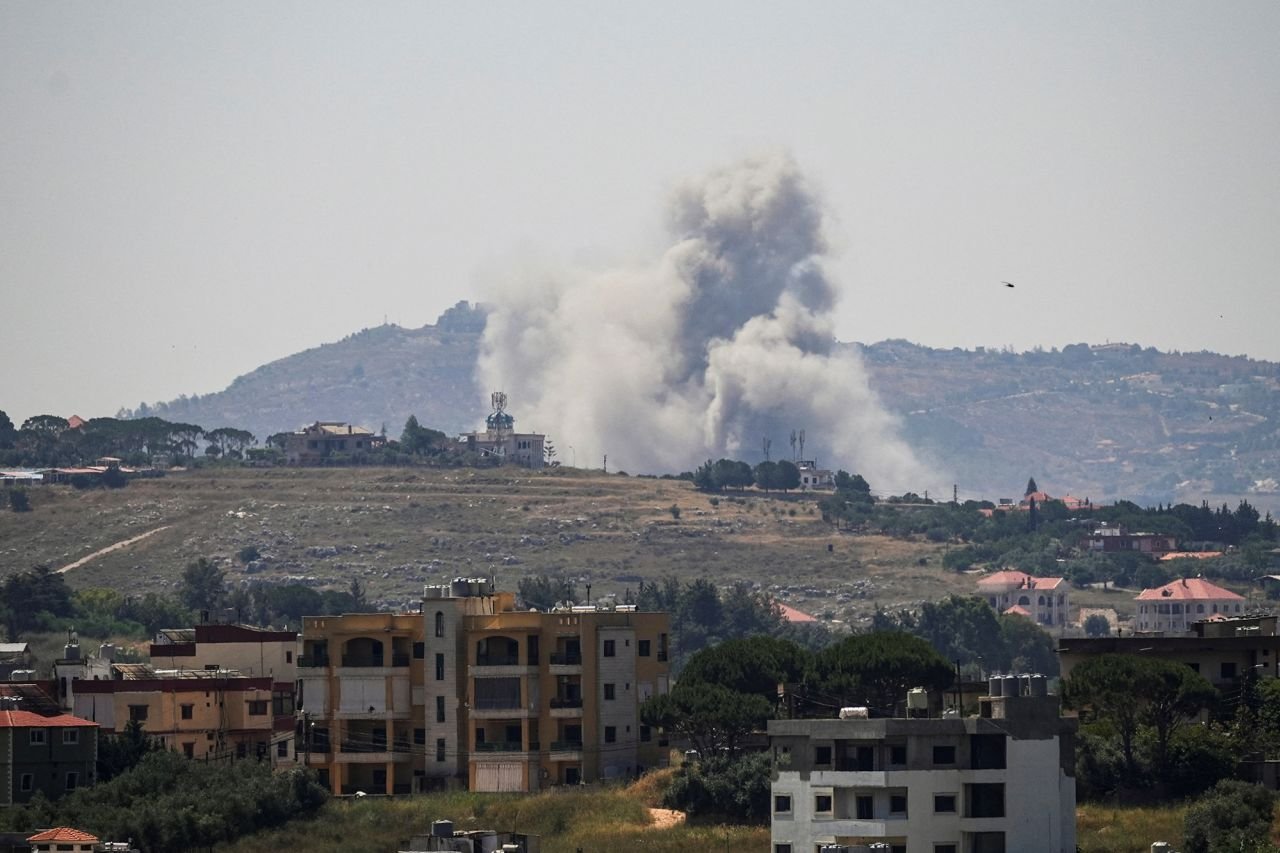
In a statement issued on Monday, the command said the operations were conducted in support of the people of Lebanon following Israeli attacks in southern Lebanon and Beirut’s Dahiyeh district, which Tehran alleged were backed by the United States.

Key Highlights:
- Iran suspended military operations against Israel but warned of stronger retaliation if attacked again.
- Iranian forces dismantled four armed cells near the Pakistan border.
- Israel said it struck Iran’s Karoon Petrochemical Complex.
- Iran signaled readiness for a prolonged conflict and possible escalation.
- Houthi threats are expected to have limited impact on Red Sea shipping.
Iranian military authorities, however, warned that any further attacks by Israel, particularly in southern Lebanon, would trigger a significantly harsher response.
The development comes amid escalating tensions between Iran and Israel, with both sides exchanging threats and accusations over military activities across the Middle East.
Iranian Forces Dismantle Armed Cells Near Pakistan Border
Read Also:
- US, Iran launch new strikes as drones hit Kuwait airport
- Iran President’s resignation raises new questions over US-Iran War as power struggle deepens
- Iran president reportedly resigns amid power struggle with IRGC
Meanwhile, Iranian security agencies reported the dismantling of four armed cells in the southeastern province of Sistan and Baluchestan.
According to Iranian authorities, five suspected militants were killed and 19 others arrested before they could carry out planned attacks. Security forces also recovered weapons and military equipment during the operation.
The province, which borders Pakistan and Afghanistan, has witnessed recurring clashes between security forces and armed groups over the years.
The latest tensions were further heightened after Israel confirmed carrying out a strike on the Karoon Petrochemical Complex in southwestern Iran.
Israeli military officials said the facility was targeted because it allegedly produced materials considered critical to Iran’s ballistic missile programme.
“The targeted infrastructure produced unique materials that serve as critical components for the development of ballistic missiles,” the Israeli military stated.
The Karoon facility, located in Mahshahr, is regarded as one of Iran’s most important petrochemical plants and plays a major role in supplying raw materials for domestic manufacturing industries, including automotive, construction and consumer goods sectors.
The complex is owned by the Persian Gulf Petrochemical Industries Company, a major industrial group that has previously been subjected to U.S. sanctions over alleged links to the Islamic Revolutionary Guard Corps (IRGC).
Industry experts warn that damage to chlorine production units at the facility could disrupt industrial supply chains and affect exports to markets including India, Turkey and Russia.
Separately, Iranian media reports quoted military sources as saying the country is prepared for a prolonged confrontation with Israel and potential strikes against U.S. interests if tensions continue to escalate.
According to the reports, Tehran believes any attempt by Israel and the United States to manage the conflict through what it described as “controlled escalation” would fail, warning that Iran could intensify its response if further attacks occur.
In the Red Sea region, shipping industry executives have downplayed concerns over renewed threats by Yemen’s Houthi movement against Israeli-linked vessels.
Industry analysts noted that many major shipping companies had already reduced or suspended operations through the Bab al-Mandab Strait since the onset of regional hostilities, limiting the impact of the latest warning on global maritime traffic.
The developments underscore the growing complexity of the Middle East crisis, where military actions, economic infrastructure and international shipping routes have become increasingly intertwined amid the ongoing confrontation between Iran and Israel.