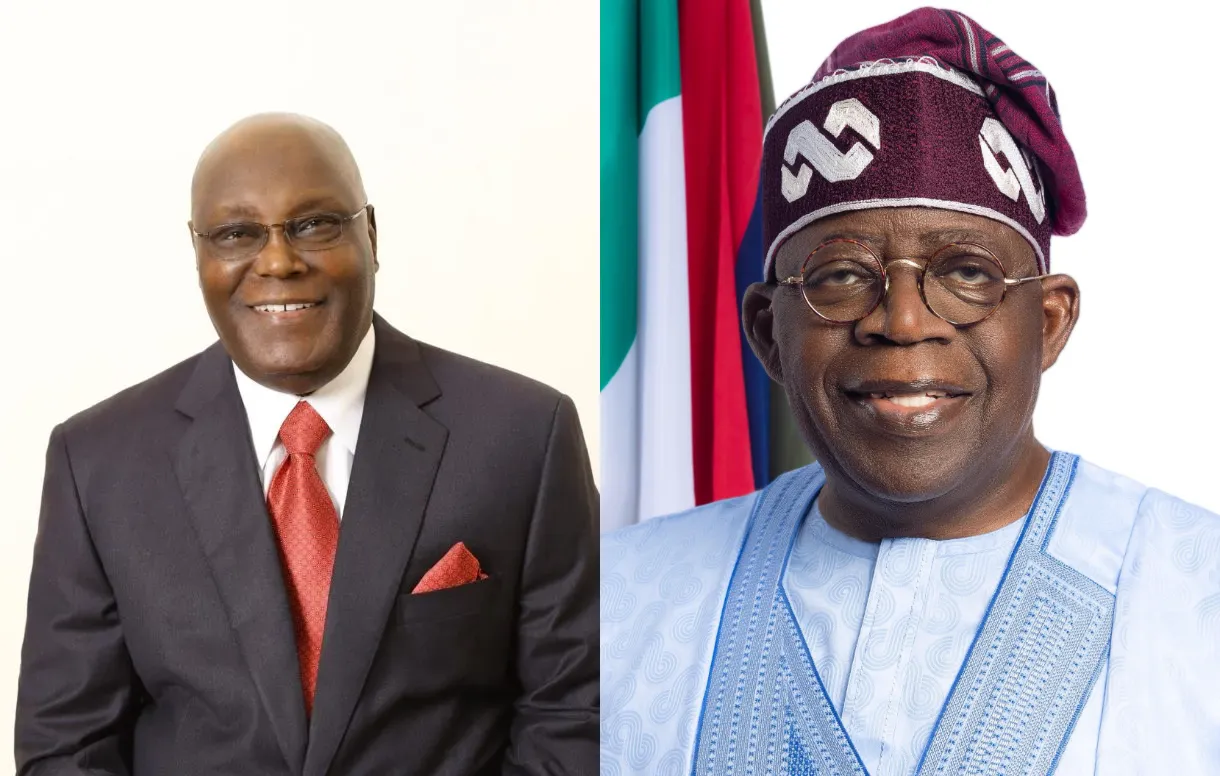
In a dramatic shift in Nigeria’s political and diplomatic approach, both the federal government, led by President Bola Ahmed Tinubu, and opposition leader Alhaji Atiku Abubakar are reportedly spending millions of dollars on U.S. lobbyists.
The revelations have ignited intense debate about national priorities, particularly as the country contends with rising inflation, economic strain, and escalating security challenges.

The lobbying wave is more than a transactional exercise; it reflects deep international influence over Nigerian politics, and why influence in Washington matters in today’s political climate.
Recent findings by The Trumpet indicate that Atiku Abubakar, former Vice-President, has recently engaged the Washington-based lobbying firm Von Batten‑Montague‑York, L.C., under a $1.2 million contract.
The firm is tasked with “strengthening his reputational standing” among U.S. lawmakers and officials, while also countering federal government narratives.
Meanwhile, the Tinubu-led federal government has reportedly previously spent $9 million on U.S. lobbying efforts aimed at enhancing Nigeria’s image in Washington, with a focus on security cooperation, religious freedom, and investment promotion.
The two contracts signal a political and diplomatic tug-of-war, stretching from Abuja to the corridors of power in Washington, a contest over who controls Nigeria’s narrative on the global stage.
Nigeria’s engagement with foreign lobbying firms is not new. For decades, successive administrations, civilian and military alike, have quietly retained U.S. lobbyists to influence Washington on issues like trade, security, debt relief, and governance.
Many earlier arrangements were routed through intermediaries to avoid public scrutiny.
Notably, Atiku reportedly hired U.S. lobbyists in 2019, paying tens of thousands of dollars to facilitate access to officials, a practice largely invisible to the Nigerian public.
Today, however, the scale and transparency of these deals have thrust them into the spotlight, inviting questions about accountability, national interest, and political morality.
Reactions to the lobbying revelations have been swift and polarized.
Many Nigerians argue that millions spent abroad could instead address domestic needs: underfunded hospitals, struggling schools, deteriorating infrastructure, and overstretched security services.
When news of the federal government’s $9 million lobbying deal broke, even U.S. lawmakers expressed concern.
A congressional oversight panel warned that the contracts could downplay serious human rights and religious persecution issues rather than address them substantively.
Locally, members of the African Democratic Congress (ADC) criticized the expenditures as “image laundering”, prioritizing Nigeria’s international reputation over tackling terrorism, banditry, and internal insecurity.
Atiku, once a vocal critic of government spending on foreign lobbying, now faces similar scrutiny.
Many argue that by signing his own deal, he has joined the elite political class he denounced, raising questions about political morality, consistency, and priorities.
The economic cost of such lobbying is substantial. Nigeria’s fiscal environment remains fragile, with ministries reporting shortfalls in capital expenditure even as billions of naira flow abroad for influence campaigns.
Recent budget execution reports show that health and education sectors operate at fractions of their approved funding, while substantial funds are directed offshore.
Economists warn that lobbying expenditures do not directly stimulate domestic economic growth, do not generate jobs or build infrastructure, divert foreign exchange already under pressure and produce benefits that are often intangible and difficult to quantify.
In contrast, investments in healthcare, education, agriculture, and infrastructure offer measurable improvements in GDP, employment, and living standards.
Read also:
- Buni remains APC chairman – CECPC dismisses Sani Bello’s takeover
- Power restoration gains momentum in Yobe after vandalism crisis
- Emergency: Buni’s CECPC cancels APC NEC meeting
Proponents of the spending argue that international perception matters, influencing foreign policy, investment flows, aid, and security cooperation.
Engaging professional U.S. lobbyists is seen as a strategic investment to protect Nigeria’s global interests.
Yet for many citizens, the central question remains:
Why pay foreigners to sell Nigeria’s story when citizens are grappling with insecurity, inflation, and inadequate public services?
This tension between projecting power abroad and solving domestic crises is now a central issue in national discourse.
The unfolding lobby spending saga raises pressing questions about governance priorities, leadership integrity, and accountability.
Should millions of scarce resources be channelled abroad for image management while critical domestic sectors remain underfunded? Or is this a necessary investment in diplomacy amid intense global competition?
With Nigeria’s 2027 general elections approaching, citizens are watching closely.
The contrasting strategies of Tinubu’s APC and the Atiku-linked ADC highlight concerns about leadership priorities, integrity, and vision.
For many Nigerians, one question looms large:
If leaders must spend millions to shape Nigeria’s international image or personal profile, what does that say about their ability to tackle urgent domestic problems? And what kind of leadership does the nation truly need in 2027 and beyond?