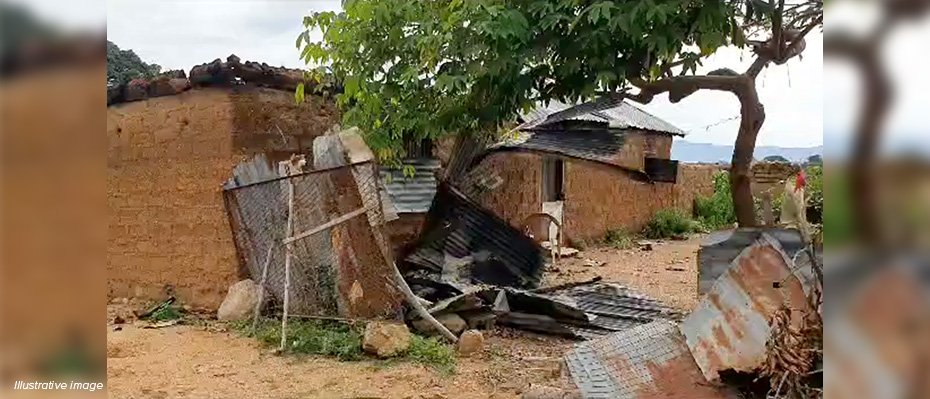
The group stated that the incidents occurred between October 28 and November 17, 2025, across the Christian communities of Nigeria.
The attacks, according to the group, were carried out predominantly by jihadist Fulani militants, who accounted for 106 of the killings, while Boko Haram was responsible for four. The figures revealed an average of five Christians killed and seven abducted every day during the three weeks.
The human rights body stated that the killings occurred across Taraba (34 deaths), Benue (23), Plateau (22), Kaduna (17), Borno (4), Kwara (3), and Edo (1).
Intersociety also identified 10 additional likely deaths, representing unreported victims believed to have been executed while in jihadist captivity.
The abductions were widespread, with 61 recorded in Kaduna, 30 in Taraba, 12 in Kogi/Kwara, 10 in Kebbi, and six each in Plateau and Benue, alongside 10 unreported cases.
Four clergymen were killed—in Kaduna, Benue, Edo, and Kwara—while seven others were abducted, including four pastors in Kaduna, two in Kogi, and one in Kwara.
This is contained in a statement issued on Wednesday by Emeka Umeagbalasi, Criminologist and Researcher, Head of Intersociety.
Intersociety warns that Nigeria has become a major hub for at least 24 Islamist terrorist groups now operating within the country.
These groups include the Sahel-based JNIM, which recently announced the establishment of a brigade inside Nigeria, and Fulani-linked networks such as WULOWULO, the Lakaruwa group, and the Bororo faction.
According to the organization, these actors share a long-term objective of erasing Christian identity, culture, and heritage in Nigeria over the next 50 years if decisive action is not taken.
The report strongly criticizes the federal government for failing to confront the threat.
Intersociety notes the continued refusal to overhaul the defense, interior, and intelligence establishments and adds that security forces often arrive only after attacks to retrieve bodies.
In many cases, troops reportedly arrest community members under allegations of reprisals while failing to pursue the perpetrators.
The organization also condemns the government’s alleged spending of large sums—reportedly borrowed public funds—on international public relations campaigns aimed at denying or downplaying the crisis.
Intersociety maintains that these resources could have rehabilitated over one million displaced Christians and moderate Muslims, rebuilt homes and churches, restored schools and hospitals, and provided critical trauma care.

The group stated that the incidents occurred between October 28 and November 17, 2025, across the Christian communities of Nigeria.
The attacks, according to the group, were carried out predominantly by jihadist Fulani militants, who accounted for 106 of the killings, while Boko Haram was responsible for four. The figures revealed an average of five Christians killed and seven abducted every day during the three weeks.
The human rights body stated that the killings occurred across Taraba (34 deaths), Benue (23), Plateau (22), Kaduna (17), Borno (4), Kwara (3), and Edo (1).
Intersociety also identified 10 additional likely deaths, representing unreported victims believed to have been executed while in jihadist captivity.
The abductions were widespread, with 61 recorded in Kaduna, 30 in Taraba, 12 in Kogi/Kwara, 10 in Kebbi, and six each in Plateau and Benue, alongside 10 unreported cases.
Four clergymen were killed—in Kaduna, Benue, Edo, and Kwara—while seven others were abducted, including four pastors in Kaduna, two in Kogi, and one in Kwara.
This is contained in a statement issued on Wednesday by Emeka Umeagbalasi, Criminologist and Researcher, Head of Intersociety.
Intersociety warns that Nigeria has become a major hub for at least 24 Islamist terrorist groups now operating within the country.
These groups include the Sahel-based JNIM, which recently announced the establishment of a brigade inside Nigeria, and Fulani-linked networks such as WULOWULO, the Lakaruwa group, and the Bororo faction.
According to the organization, these actors share a long-term objective of erasing Christian identity, culture, and heritage in Nigeria over the next 50 years if decisive action is not taken.
The report strongly criticizes the federal government for failing to confront the threat.
Intersociety notes the continued refusal to overhaul the defense, interior, and intelligence establishments and adds that security forces often arrive only after attacks to retrieve bodies.
In many cases, troops reportedly arrest community members under allegations of reprisals while failing to pursue the perpetrators.
The organization also condemns the government’s alleged spending of large sums—reportedly borrowed public funds—on international public relations campaigns aimed at denying or downplaying the crisis.
Intersociety maintains that these resources could have rehabilitated over one million displaced Christians and moderate Muslims, rebuilt homes and churches, restored schools and hospitals, and provided critical trauma care.