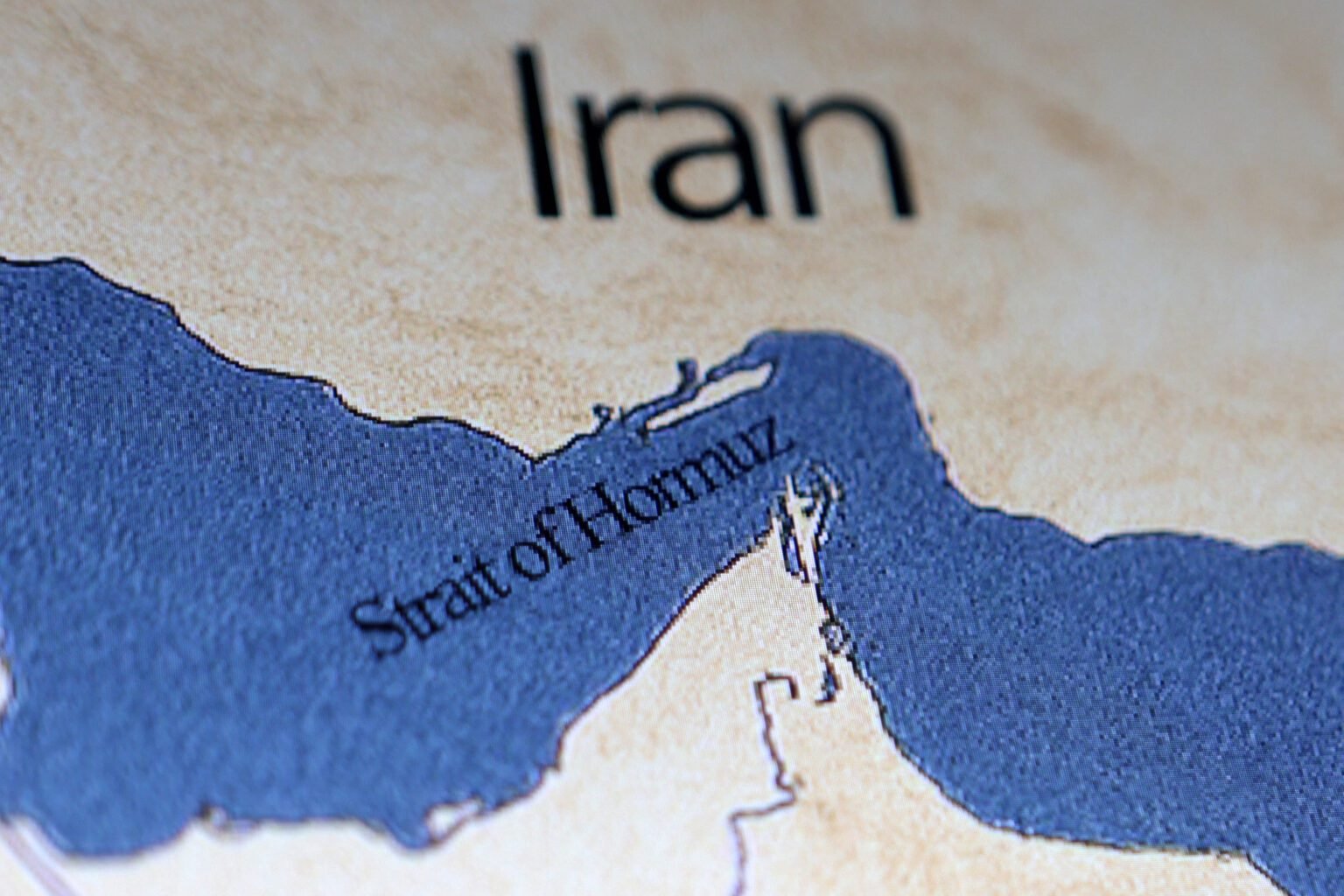
A breakthrough appears to be emerging in efforts to ease tensions between the United States and Iran, with Tehran announcing that it has agreed not to pursue nuclear weapons and to reopen the strategically vital Strait of Hormuz in exchange for the release of approximately $25 billion in frozen Iranian assets by Washington.
Key Highlights:
- Iran reportedly agreed to nuclear curbs and reopening the Strait of Hormuz.
- The deal would involve the release of about $25 billion in frozen Iranian assets.
- A 60-day negotiation period is expected to follow a memorandum of understanding.
- Mediators are working to finalize details of the proposed agreement.
- If completed, the deal could ease US-Iran tensions and stabilize energy markets.
According to details released by Iranian officials on Sunday, the understanding forms part of a peace framework reportedly brokered by U.S. President Donald Trump.

The proposed arrangement is expected to pave the way for broader negotiations on Iran’s nuclear programme and regional security issues.
Reports indicate that Washington and Tehran are preparing to electronically sign a memorandum of understanding following a virtual meeting, establishing a 60-day period for technical discussions aimed at reaching a longer-term agreement.
The development comes after months of conflict and heightened tensions that have disrupted global markets and significantly reduced shipping traffic through the Strait of Hormuz, one of the world’s most important energy corridors.
Before the crisis, the narrow waterway handled nearly one-fifth of global oil supplies.
Speaking on social media, Shehbaz Sharif expressed optimism about the prospects for peace, saying negotiations had reached an advanced stage.
“We are closer to a peace deal than ever before. With finalization likely expected in the next 24 hours, Pakistan is preparing for the electronic signing of the peace deal immediately after, followed by technical-level talks next week,” Sharif stated.
Iranian officials also suggested that an agreement could be finalized within days, although Tehran stressed that several issues remain unresolved.
Read Also:
- US, Iran launch new strikes as drones hit Kuwait airport
- Iran President’s resignation raises new questions over US-Iran War as power struggle deepens
- Iran president reportedly resigns amid power struggle with IRGC
Under the reported framework, the United States would unfreeze $25 billion in Iranian assets and end restrictions affecting Iranian-linked shipping through the Strait of Hormuz.
However, officials noted that the arrangement would serve as a temporary mechanism to facilitate further negotiations rather than a comprehensive settlement of all disputes between the two countries.
Meanwhile, mediators from Qatar reportedly arrived in Tehran on Sunday to assist in finalizing the details of the agreement.
A formal signing ceremony is expected to take place in Geneva, where U.S. and Iranian representatives previously held talks earlier this year.
Vice President JD Vance is expected to lead the American delegation, while Iran is reportedly set to be represented by parliamentary speaker Mohammad Bagher Ghalibaf.
Despite the optimism surrounding the negotiations, uncertainty remains.
Iran’s Foreign Ministry said there were no immediate plans for its negotiating team to travel abroad, creating questions about the timing of a potential signing ceremony.
The diplomatic push comes amid renewed regional tensions after Israel carried out strikes on Hezbollah-linked targets in Beirut on Sunday.
Israeli Prime Minister Benjamin Netanyahu said the operation was launched in response to attacks on northern Israel, while Tehran has previously insisted that any broader ceasefire arrangement must address Israeli military actions in Lebanon.
If finalized, the agreement would mark the most significant diplomatic breakthrough between Washington and Tehran in years and could help stabilize energy markets while reducing tensions across the Middle East.