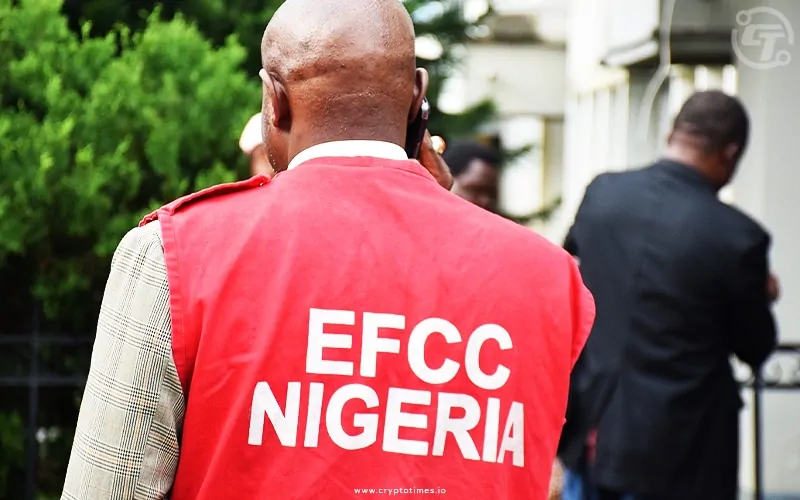
The Economic and Financial Crimes Commission has strongly rejected allegations by Bauchi State Governor Bala Mohammed that the anti-graft agency is being deployed by his political rivals, particularly the Minister of the Federal Capital Territory, Nyesom Wike, to hound him and members of his administration.
In a statement issued on Friday, the EFCC described the allegation as wild, far-fetched, mischievous, and condemnable, insisting that it remains an independent and non-partisan institution carrying out its constitutional duty without fear or favour. The Commission said no political figure, regardless of status or influence, has the authority to direct or interfere with its investigations.

Faulting Governor Mohammed’s claims, the EFCC said it was improper and misleading to suggest that its activities in Bauchi State were driven by the influence of the FCT minister. According to the agency, such statements were designed to undermine its lawful operations and erode public confidence in the fight against corruption.
“It is derogatory for Governor Bala Mohammed to ascribe the Commission’s activities in Bauchi State to the influence of Mr Wike,” the statement said, adding that the EFCC does not take instructions from politicians or political parties.
The Commission further accused the governor of omitting a critical detail from his public narrative, noting that Mohammed was already standing trial for money laundering before his election as governor. It explained that the prosecution was only halted due to the constitutional immunity attached to his current office.
Read also:
- EFCC boss urges Nigerians to embrace zero tolerance for corruption in 2026
- Court grants Bauchi Finance Commissioner bail
- Yahaya Bello declares interest to contest Kogi Central Senate seat
“Who influenced the Commission to investigate him in 2016 and charge him to court?” the EFCC asked, suggesting that the governor’s current claims were inconsistent with the historical facts of the case.
On the ongoing prosecution of some Bauchi State government officials, the EFCC said the details of the case had long been placed before the court and were available to the public. It added that Nigerians were free to judge whether the matter amounted to political persecution or the outcome of a detailed and professional investigation. The Commission also confirmed that Governor Mohammed was mentioned in the charge as the approving authority in the transactions under scrutiny.
Addressing claims that it was sensationalising allegations related to terrorism financing, the EFCC said it neither invented the law nor operated outside existing legal frameworks. It stressed that where offences are defined and punishable under extant laws, the Commission has a duty to act.
The agency also accused some politicians of double standards, observing that allegations of persecution often surface only when opposition figures are investigated. It noted that the recent arraignment of a senior member of the ruling party over corruption allegations did not attract similar complaints or public outrage.
The EFCC urged Governor Mohammed to concentrate on governance in Bauchi State and allow the Commission to carry out its mandate of sanitising Nigeria’s financial system without intimidation or distraction.