A tragic boat accident that reportedly claimed the lives of about 150 suspected bandits has stirred mixed reactions across Nigeria, exposing deep emotional and moral tensions in a country grappling with persistent insecurity.
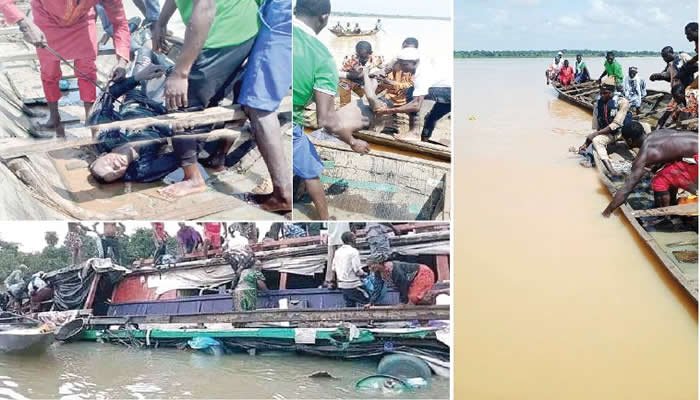
The incident is believed to have occurred along a remote river corridor in the North-West, where a large wooden vessel allegedly carrying armed men capsized under unclear circumstances. Local sources said the boat, suspected to be overloaded, overturned at night, throwing dozens into the water. While a few survivors were reportedly rescued by nearby fishermen, many others are feared drowned.

Although authorities have yet to officially confirm the identities of those on board, security sources suggest that several of the victims were linked to armed groups responsible for banditry and kidnappings that have plagued rural communities in recent years.
Across affected communities, reactions have been complex and largely subdued. In areas long scarred by raids, abductions, and killings, some residents privately described the incident as a form of justice. For families who have lost loved ones or paid heavy ransoms, the development has brought a sense of grim relief.
Yet, there has been no open celebration.
“It is difficult to celebrate death, even if they were criminals, but people are exhausted,” a community leader said.
Read also:
- Sokoto Boat Tragedy: Over 150 suspected Bandits feared dead as Vessel capsizes
- Boat mishap claims 1 life in Southern Ijaw LGA as Council Boss, Maritime Union condemn reckless Seafarers
- 7 victims rescued as navy responds to boat collision in Bayelsa
Others have taken a more reflective position, urging restraint in how the tragedy is interpreted. Religious leaders and civil society voices warn that the loss of life, regardless of circumstance, highlights deeper national challenges.
“Whether they were criminals or not, these are human lives lost. We must ask why so many young men are drawn into violence,” a cleric noted.
Nigeria’s North-West has for years remained a hotspot for banditry, with states such as Katsina and Zamfara witnessing repeated cases of mass abductions, killings, and displacement. Thousands have died, while many communities have been forced to flee their homes.
Security analysts believe the incident may be linked to sustained military pressure on criminal hideouts, forcing armed groups to move through difficult terrain, including waterways.
“This suggests displacement rather than elimination. These groups adapt quickly,” a security expert explained.
The tragedy has also raised fresh concerns about security gaps, including how such a large group was able to move undetected and whether waterways are emerging as new escape routes for armed elements.
Authorities are yet to release a detailed statement, leaving room for speculation and uncertainty.
For many Nigerians, the incident goes beyond a single event. It reflects a country under strain, where grief, anger, and fatigue now shape public response to violence.
Human rights advocates warn that normalising death, even of suspected criminals, could weaken societal values over time. Yet, for victims of banditry, the reality remains immediate and deeply personal.
“When you have buried your child because of kidnappers, your heart changes,” a displaced mother said.
As Nigeria continues its fight against insecurity, the boat disaster stands as a stark reminder of a nation under pressure, where justice is often unclear and tragedy carries many meanings.
Whether viewed as a turning point or another chapter in a prolonged crisis, the cycle of violence remains far from over.