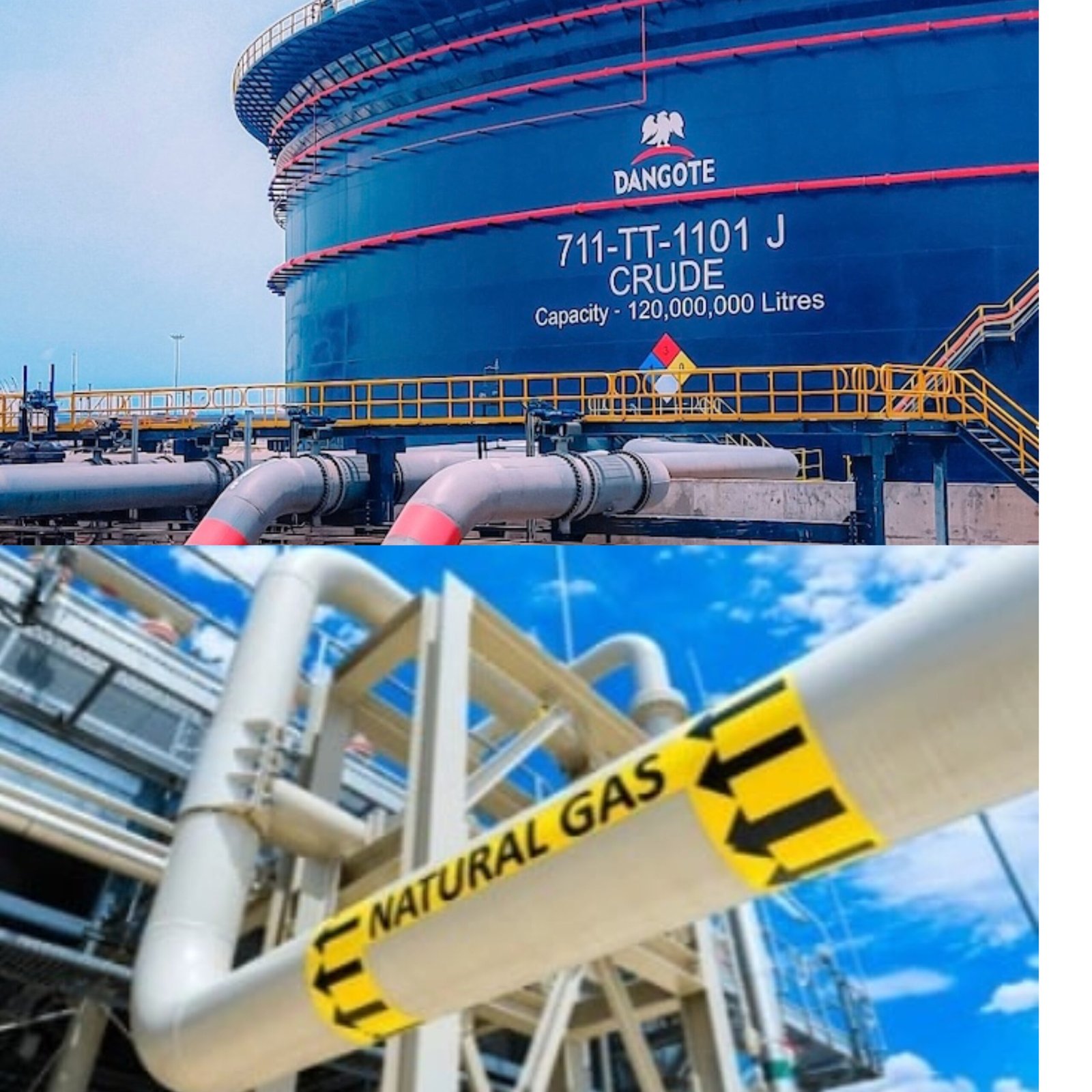
Local producers, led by the Dangote Refinery and Nigeria LNG Limited, accounted for about 85 percent of Nigeria’s total Liquefied Petroleum Gas supply in February 2026, highlighting a growing shift toward domestic production.
According to the February downstream sector fact sheet released by the NMDPRA, local suppliers delivered approximately 4,000 metric tonnes per day, while imports contributed the remaining 15 per cent, estimated at 700 metric tonnes per day.
The report noted steady output from the Dangote Petroleum Refinery and Petrochemicals complex alongside other gas processing facilities, reinforcing domestic supply capacity.

Nigeria’s average daily cooking gas supply stood at 4,700 metric tonnes in February, a drop from the 6,300 metric tonnes recorded in January, reflecting a slowdown in overall market activity.
Despite the decline in total supply, the country recorded a sharp reduction in import dependence. Imports fell from about 41 percent of total supply in January to 15 percent in February, while domestic supply increased its share from 59 per cent to 85 percent.
Data from the report showed that average daily LPG truck-out declined to 4,194 metric tonnes in February, down from 4,860 metric tonnes in January. Similarly, average daily consumption dropped to 4,194 metric tonnes from 5,050 metric tonnes in the previous month, indicating weaker downstream demand.
Read also:
- Breaking: Dangote Refinery raises Petrol price to N1,175 per litre as fuel costs surge across Nigeria
- Dangote Refinery hikes petrol price by N101 amid global crude volatility
- Dangote Refinery targets 600 Tanker calls yearly as 650,000 bpd capacity nears full output
Retail prices remained relatively stable across both months. Cooking gas sold between N950 and N1,550 per kilogram in January, compared to a range of N980 to N1,500 per kilogram in February.
On a year-on-year basis, domestic supply strengthened, rising to an average of 4,000 metric tonnes per day in February 2026 from 3,800 metric tonnes recorded in February 2025.
Imported volumes also increased year-on-year, reaching 700 metric tonnes per day from 200 metric tonnes over the same period. However, month-on-month figures showed a significant drop in imports from 2,600 metric tonnes per day in January to 700 metric tonnes in February, underscoring the growing dominance of local supply.
The figures signal a gradual shift in Nigeria’s LPG market toward self-sufficiency, even as demand and distribution levels fluctuate.