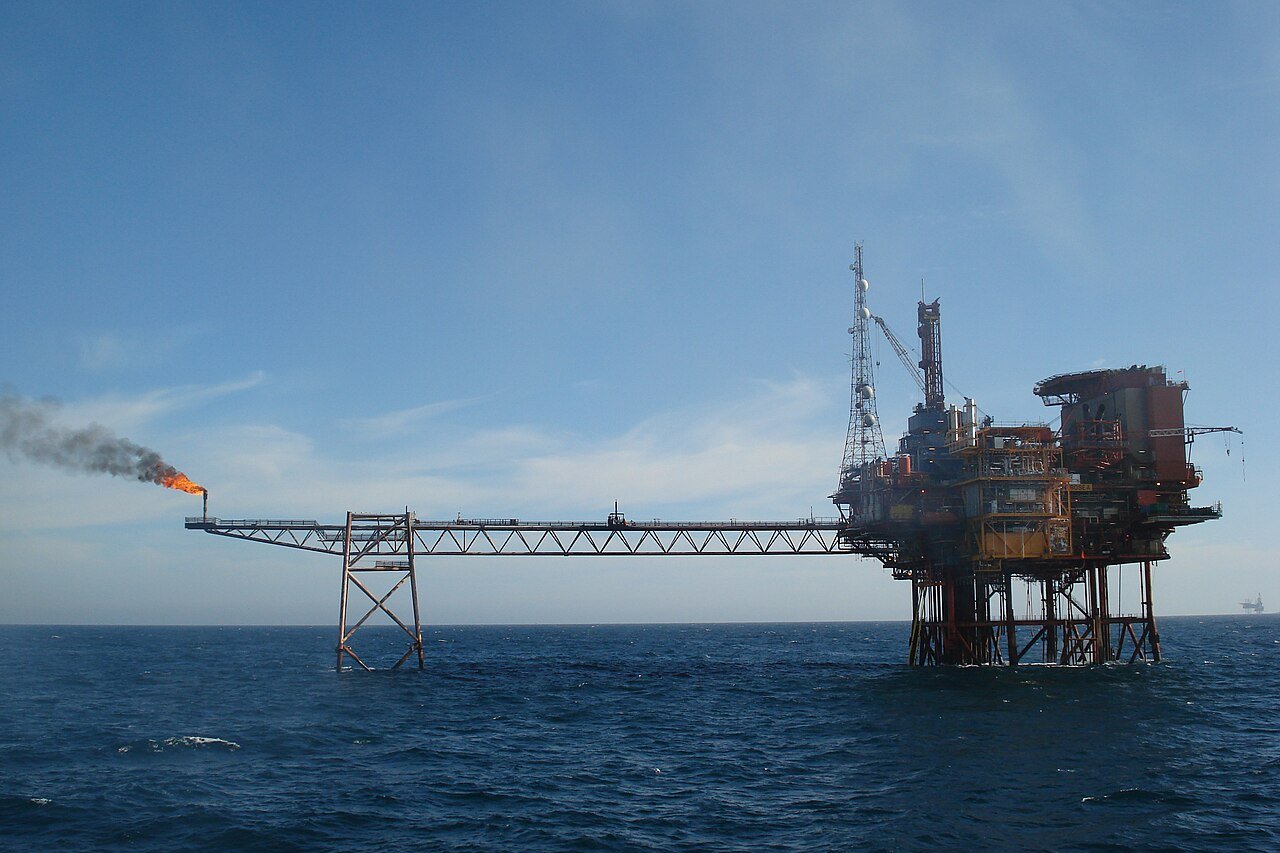
Britain has approved a new offshore natural gas drilling project in the North Sea, citing the need to strengthen the country’s energy security and reduce dependence on imported fuel despite concerns that the decision could undermine its climate change commitments.
Key Highlights
- Britain approves the Jackdaw gas field off Scotland, its first new North Sea extraction since the 2024 moratorium.
- Prime Minister Andy Burnham says Britain will need oil and gas for decades despite its 2050 net-zero target.
- A £2 billion fund for renewable energy announced alongside the approval.
- Developer Adura says Jackdaw could meet about 6% of UK gas demand; campaigners put it closer to 2%.
- Decision on the separate Rosebank field still pending.
The approval of the Jackdaw gas field off the coast of Scotland on Wednesday, marks the first new oil and gas extraction in Britain’s North Sea since the Labour government introduced a moratorium on new drilling in 2024.

The project is expected to provide additional domestic gas supplies as rising energy prices, partly driven by the war in Iran, increase pressure on the government to address the cost of living.
Prime Minister Andy Burnham defended the decision, saying Britain would continue to require oil and gas for decades even as it pursues its target of achieving net-zero emissions by 2050.
“We’re committed to moving towards renewable energy and reaching net zero by 2050,” Burnham said in a statement, adding that his government would adopt a pragmatic approach to meeting the country’s energy needs.
Alongside the approval, the prime minister announced a £2 billion government fund to support renewable energy development.
The government said future revenues from offshore drilling would contribute to the fund over time.
Climate Campaigners Push Back
However, environmental campaigners have criticised the decision, arguing that expanding fossil fuel extraction conflicts with Britain’s climate commitments and could divert investment away from cleaner energy sources.
The approval also comes weeks before a United Nations climate summit in Turkey, where Burnham is expected to lead the British delegation.
The United Nations has warned that global greenhouse gas emissions must fall substantially over the next four years to limit the most dangerous consequences of climate change.
Danny Gross, a campaigner for Friends of the Earth, argued that the Jackdaw project would have little effect on household energy bills while contributing to the climate crisis.
What Jackdaw Will Deliver
The project is being developed by Adura, a joint venture between Shell and Norwegian energy company Equinor. The company has indicated that work could begin immediately following the approval.
Adura estimates that the gas field could meet approximately six per cent of Britain’s gas demand and provide enough gas to heat 1.4 million homes. The field is believed to contain gas equivalent to about 200 million barrels of oil.
Russell Borthwick, chief executive of the Aberdeen and Grampian Chamber of Commerce, said the project was close to completion and could begin supplying gas to British homes within weeks.
He described the approval as a boost to the country’s energy security at a time of heightened pressure on global energy markets.
Britain imports a substantial proportion of its oil and gas. While some supplies arrive through pipelines from Norway, other imports are transported as liquefied natural gas from countries including Qatar, Peru and Trinidad and Tobago.
Supporters of domestic drilling argue that increasing production would reduce exposure to international supply disruptions and the additional costs associated with transporting gas over long distances.
They also point to Britain’s continued reliance on fossil fuels for domestic heating and transportation. About 85 per cent of the country’s homes and businesses still use boilers for hot water and central heating, according to the report.
Environmental groups, however, dispute the projected benefits of Jackdaw. They estimate that the field would supply closer to two per cent of Britain’s gas needs and argue that the country would remain dependent on imports.
Tessa Khan, executive director of environmental group Uplift, said the government should prioritise clean energy to reduce household bills and support industrial development.
Rosebank Decision Still Pending
The Jackdaw approval follows legal challenges that overturned earlier approvals for the project and the separate Rosebank oil development, which were granted under the previous Conservative government.
Although the Labour government subsequently introduced a moratorium on new drilling licences, supporters of Jackdaw argue that allowing previously licensed projects to proceed does not violate that commitment.
The government has yet to decide whether to approve Rosebank, another major offshore development in the North Sea.
Adura chief executive Neil McCulloch has urged the government to approve the separate project, arguing that Jackdaw and Rosebank could together account for about 10 per cent of Britain’s domestic oil and gas production at their peak.
Read also:
- FG Blames Advance Crude Oil Sales for Dangote Refinery’s Supply Shortfall
- Iran Offers Seven-Day Plan to Reopen Strait of Hormuz as Trump Reportedly Rejects Deal
- Uzere: Oil-Producing Community Hit by Double Tragedy — Gas Bubbling From Ground, Crude Oil Pollution
The decision is also significant for Aberdeen and surrounding areas in Scotland, which have experienced declining North Sea production and job losses in the oil and gas industry.
The region’s business chamber has reported losses of more than 1,000 oil and gas jobs each month, while BP announced plans in August to sell its North Sea business after six decades of operations in the area.
Industry officials acknowledge that the Jackdaw project will not reverse the basin’s long-term decline, with about 93 per cent of its oil and gas resources already extracted.
They nevertheless argue that new investment could help sustain employment while Britain expands renewable energy industries, including offshore wind.
Burnham’s decision highlights the challenge facing his government as it seeks to balance energy affordability, employment and energy security with its environmental commitments.
The prime minister has previously expressed support for net-zero policies but has faced growing pressure over energy costs following international conflicts and disruptions to global markets.
His decision to approve Jackdaw also aligns with US President Donald Trump’s calls for Britain to increase oil and gas production in the North Sea, despite their differing positions on climate policy.
However, major American oil companies have largely withdrawn from the British North Sea in recent years, citing declining production and higher operating costs.
The government’s approach is expected to remain under scrutiny as Britain attempts to maintain domestic energy supplies while pursuing its longer-term transition towards renewable energy, overseen in the basin by the North Sea Transition Authority.
For more global energy news, follow us on X.