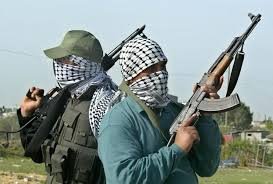
Suspected bandits attacked Ketare town in Malumfashi Local Government Area of Katsina State on Sunday evening, killing at least seven local defenders — including two members of the Civilian Joint Task Force (CJTF) — before being forced to retreat by vigilante resistance. The attack is the latest in a sustained pattern of bandit raids across Malumfashi LGA, a community that has repeatedly suffered despite ongoing peace negotiations with armed groups.
Key Highlight:

- Suspected bandits attacked Ketare town in Malumfashi LGA, but were repelled by local vigilantes and CJTF personnel after a fierce gun battle.
- Seven local defenders, including two CJTF members, lost their lives during the confrontation.
- Security analyst Bakatsine confirmed the attack, describing the heavy human toll on affected families and the community.
- The incident is part of a continuing wave of bandit attacks across Malumfashi and other parts of Katsina despite ongoing peace agreements with armed groups.
- The attack has renewed concerns over the effectiveness of peace deals and the growing dependence on community volunteers for frontline security.
What Happened
Heavily armed assailants stormed Ketare town on Sunday evening but encountered fierce resistance from local vigilante groups and CJTF personnel. After a prolonged exchange of gunfire, the attackers were repelled and forced to withdraw from the community.
However, the defence came at a severe human cost. At least seven local defenders lost their lives in the battle, among them two CJTF members who had positioned themselves at the frontline of the community’s protection.
Security analyst Bakatsine, who has closely tracked insecurity in the Northwest, confirmed the incident on Monday. He disclosed that the bandits had failed to overrun the town but inflicted significant casualties on those defending it.
“Last night, bandits attempted to attack Ketare town in Malumfashi LGA of Katsina State, but were repelled after a prolonged gun battle with vigilantes and CJTF personnel,” Bakatsine said.
“The town may have survived the attack, but the pain remains. At least seven defenders, including two CJTF personnel, were reportedly killed.”
Bakatsine also highlighted the human dimension behind the casualty figures, noting that each death represents a family permanently altered by the violence.
“Behind every casualty is a family that won’t be the same again — children who have lost fathers, and a community forced to grieve while living under the constant shadow of violence. No community should have to endure this cycle of fear and loss.” — Bakatsine, security analyst
Why It Matters
Sunday’s attack is part of a deeply troubling pattern in Malumfashi LGA. In January 2026, bandits stormed multiple communities in the same LGA, killing and abducting residents while questions were raised about a reported peace deal between LGA leaders and armed groups. Just five days before Sunday’s attack, bandits also struck Dankado and Badawa villages in Katsina, killing two residents despite being repelled by troops of the 17 Brigade and local vigilantes.
Read also:
- VeryDarkMan Questions Military Response To Insecurity, Raises Accountability Concerns
- State Police: Legislation Was Driven By National Security Concerns, Not Political Considerations — Senate
- Ex IYC President Hails Tinubu’s Political Will To Set Up State Police
- Ending insecurity in Nigeria requires God’s intervention, prayers, says Matawalle
Katsina State has become one of the Northwest’s most consistently hit flashpoints. Since early 2026, the state has recorded attacks killing dozens — from the killing of 21 people in Doma town in February, to the deaths of 18 in Jibia LGA in March following the collapse of a peace deal, to successive raids across multiple LGAs that have claimed vigilantes, CJTF members, and civilians alike.
The frequency and scale of these attacks raise hard questions about the effectiveness of non-kinetic strategies — including amnesty arrangements and community-level peace pacts — that Katsina authorities have pursued as an alternative to sustained military operations. Armed groups have repeatedly breached such agreements, often launching reprisal attacks that claim more lives than the incidents that triggered them.
What This Means for Nigerians
The deaths of two CJTF members among the seven killed on Sunday underscores a widening burden being placed on community-level defenders. The CJTF — originally formed in the Northeast to support military operations against Boko Haram — has been deployed in various forms across the North to supplement underfunded and overstretched formal security. When these volunteers are killed, communities lose not only their immediate protection but also the institutional knowledge and trust that made these security networks function.
For Nigerians following insecurity across the country, Sunday’s attack is a reminder that the Northwest’s banditry crisis remains acute and unresolved. While the military has recorded tactical successes, the persistence of attacks on communities like Ketare — particularly in Malumfashi LGA, where bandits have struck repeatedly in 2026 alone — suggests that tactical wins have not translated into lasting community safety.
The federal and Katsina state governments face renewed pressure to move beyond reactive deployments and peace deals that armed groups repeatedly discard, toward a more durable security architecture that does not ask unarmed or lightly armed community volunteers to absorb the first — and often fatal — blow.
## The Bottom Line
Seven defenders are dead. The bandits were driven back, but Ketare’s victory on Sunday came with a grief that will outlast the gunfire. As insecurity in Malumfashi and Katsina State broadly continues to defy peace agreements and counter-operations alike, the human cost is being borne disproportionately by the communities themselves — and the volunteers they send to stand in the line of fire.