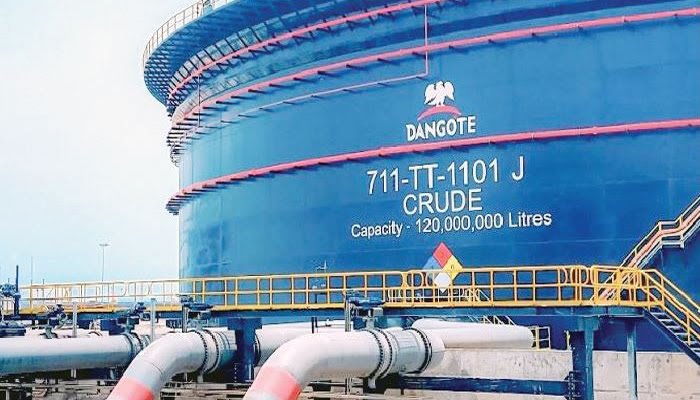
Several African countries, including South Africa, are increasingly looking to Nigeria’s Dangote Petroleum Refinery to secure fuel supplies as tensions linked to Iran continue to unsettle global energy markets.
The 650,000-barrels-per-day refinery, owned by industrialist Aliko Dangote, has emerged as a critical alternative for governments seeking to reduce dependence on traditional supply routes from the Middle East.

South Africa is reportedly leading the push, with discussions ongoing for a year-long fuel supply agreement. Other countries, including Ghana and Kenya, have also made enquiries, reflecting a growing continental shift toward sourcing refined petroleum products within Africa.
The surge in interest follows escalating geopolitical tensions that have disrupted global supply chains and heightened fears of fuel shortages. Analysts warn that many African economies remain exposed due to their reliance on imported fuel, particularly from the Middle East.
Read Also:
- Dangote Refinery, NLNG dominate Nigeria LPG supply as imports drop to 15% — NMDPRA Report
- Breaking: Dangote Refinery raises Petrol price to N1,175 per litre as fuel costs surge across Nigeria
- Dangote Refinery hikes petrol price by N101 amid global crude volatility
In response, South African authorities say efforts are underway to diversify supply channels and strengthen energy security by engaging multiple global and regional partners.
Commenting on the development, Dangote said the current crisis has shifted focus from fuel pricing to availability, highlighting the uncertainty in international energy markets.
Despite the concerns, officials in South Africa and Kenya have assured citizens that existing reserves are sufficient in the short term. However, experts caution that declining refining capacity across the continent continues to leave many countries vulnerable to external shocks.
While the Dangote refinery is expected to ease supply pressures and support regional energy stability, a significant portion of its output is currently allocated to domestic consumption in Nigeria, limiting export volumes.
The development signals a potential shift in Africa’s energy landscape, with greater emphasis on regional solutions to address supply disruptions and enhance long-term fuel security.