The National Coordinator and Chief Executive Officer of the Nigeria AfCFTA Coordination Office, Patience Okala, has urged African countries to stop exporting raw materials and instead prioritise value addition to unlock the full benefits of the African Continental Free Trade Area (AfCFTA).
Speaking at the Streamsowers & Köhn 20th Anniversary Business Forum, Okala said Africa’s long-term prosperity depends on building industries that transform raw materials into finished products, rather than continuing to export unprocessed resources with limited economic returns.
According to a statement issued on Friday by the Nigeria AfCFTA Coordination Office, she described the continental trade agreement as a platform for industrialisation, economic diversification and job creation, rather than merely a framework for reducing trade tariffs.

“AfCFTA is not only about tariffs; it is also about value addition. Africa has to stop exporting raw materials. We need to add value and ensure that beneficiation is done on the continent,” she said.
Okala stressed that the success of the trade agreement would ultimately depend on how effectively African countries implement its provisions and create an environment where businesses can expand beyond national borders.
She noted that the era of negotiating the agreement has largely passed, adding that the priority should now be ensuring that businesses, particularly small and medium-sized enterprises, can take advantage of the opportunities it presents.
“We have moved beyond negotiations. The success of AfCFTA will be measured by the extent to which businesses can access new markets, trade seamlessly across borders, and benefit from the opportunities created by the agreement,” she said.
The AfCFTA coordinator disclosed that Nigeria has stepped up efforts to drive implementation of the agreement under the leadership of the Minister of Industry, Trade and Investment, Dr Jumoke Oduwole.
She explained that part of those efforts includes the production of simplified AfCFTA guides in six languages to improve awareness and help businesses better understand the benefits, obligations and opportunities available under the continental free trade arrangement.
Okala also called for stronger partnerships between governments, regulatory agencies and the private sector to remove barriers that continue to limit trade and investment across Africa.
She argued that closer cooperation would accelerate the creation of a truly integrated continental market capable of driving sustainable economic growth and improving competitiveness.
Read also:
- FG encourages Nigerian startups to apply for AfCFTA-Korea acceleration programme
- NCDMB webinar unlocks AfCFTA market access for Nigeria’s energy sector
- Nigeria completes first AfCFTA implementation review, reaffirms leadership in intra-African trade
“As we move from policy to implementation, our collective responsibility is to ensure that the opportunities created by AfCFTA become practical realities for businesses, particularly MSMEs, women-owned enterprises and young entrepreneurs across the continent,” she said.
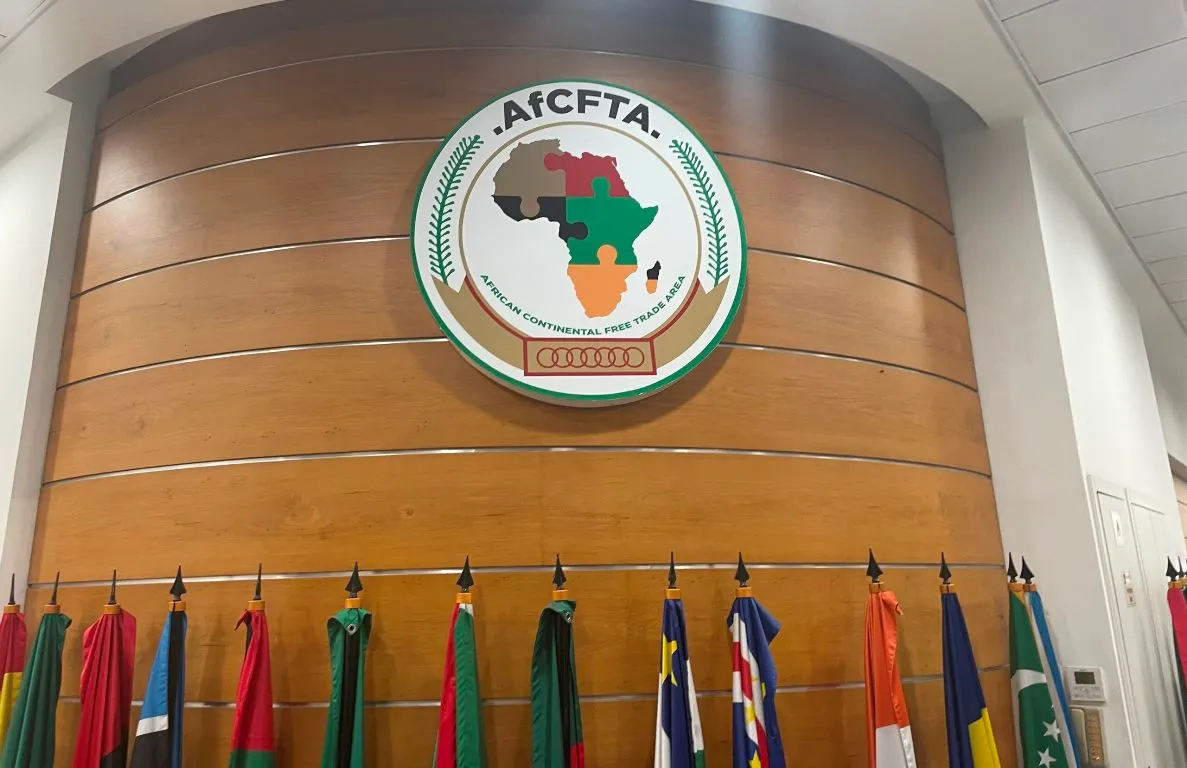
The African Continental Free Trade Area, which officially commenced trading in January 2021, is regarded as the world’s largest free trade area by the number of participating countries. The agreement seeks to boost intra-African trade by eliminating trade barriers, encouraging industrial development and creating a single market for goods and services across the continent.
By promoting value addition and regional manufacturing, stakeholders believe the agreement can help reduce Africa’s dependence on raw material exports, expand employment opportunities and strengthen the continent’s position in global trade.