


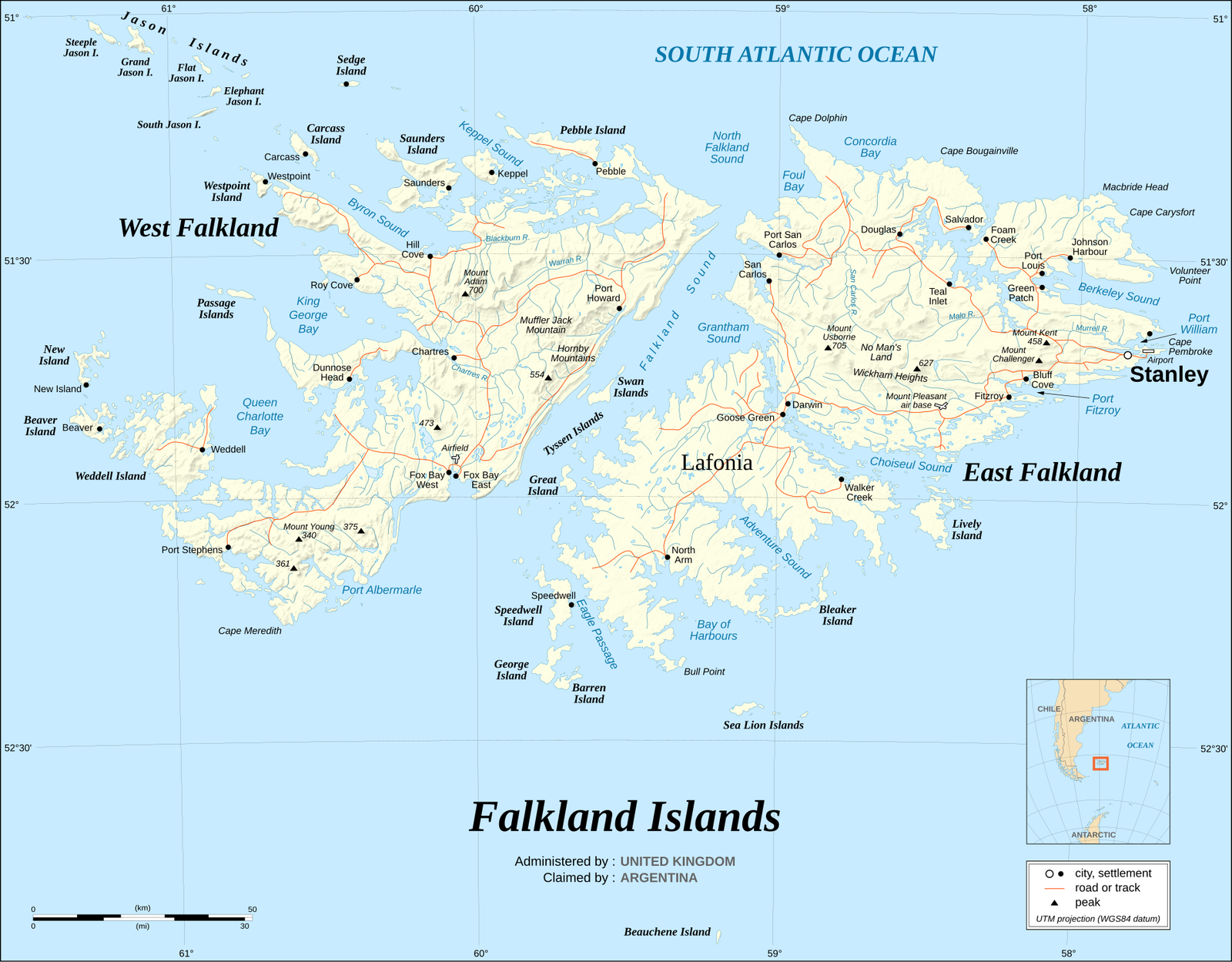
Argentina’s attempt to stop oil exploration near the Falkland Islands has suffered a major setback after a UN-backed international tribunal rejected its legal bid to halt the controversial Sea Lion oil development, strengthening Britain’s position in the longstanding territorial dispute.
The International Tribunal for the Law of the Sea ruled that it was not the appropriate judicial body to determine questions relating to sovereignty over the islands, which are administered by the United Kingdom as a British Overseas Territory.

Key Highlights
- UN-backed international tribunal rejects Argentina’s bid to halt Falklands oil exploration.
- The ruling was approved by 18 votes to three.
- Argentine President Javier Milei insists the Falkland Islands belong to Argentina.
- The Sea Lion oilfield is estimated to contain 1.7 billion barrels of oil.
- Rockhopper Exploration and Navitas Petroleum are expected to begin oil production within two years.
- Argentina announces sanctions against five individuals allegedly involved in the project.
- The Falklands sovereignty dispute dates back decades, including the 1982 war between Britain and Argentina.
Tribunal Ruling Deals Blow To Argentina’s Legal Challenge
The decision was upheld by 18 votes to three, dealing a significant setback to the legal challenge brought by the Argentine government against the Sea Lion oil development.
Reacting to the ruling on Saturday, Argentina’s President Javier Milei insisted that the decision would not end his country’s territorial claim, declaring that “the Falkland Islands are Argentine”.
Milei maintained that the ruling was not the final word on the dispute, signalling that Buenos Aires would continue to defend its position over the islands.
However, the UK’s Attorney General for England and Wales, Ellie Reeves, who presented Britain’s legal arguments in Hamburg earlier this month, described the outcome as significant and a clear victory for the British government.
In a joint statement with Foreign Secretary Ed Miliband, Reeves urged Argentina to end what she described as wider economic pressure against the islands.
She accused Argentina of attempting to prevent Falkland Islanders from making their own sovereign decisions but said the country’s latest legal effort had failed.
Sea Lion Oilfield At Centre Of Britain-Argentina Dispute
The dispute centres on the Sea Lion oilfield, located approximately 130 miles (209 kilometres) from the Falkland Islands and estimated to contain about 1.7 billion barrels of oil.
British company Rockhopper Exploration and Israel’s Navitas Petroleum are expected to begin extracting oil from the field within two years.
The development could generate substantial revenue for the islands, whose population is approximately 3,500 people, while potentially transforming their economic prospects.
Read also:
- Strait of Hormuz at center of global crisis as U.S. pushes security plan with limited support
- Nigeria Opens 2026 Oil and Gas Licensing Round, Offers 40 Blocks to Investors – How to Apply
- Dangote Refinery Cuts Petrol Price by ₦60 to ₦1,070 Per Litre
Argentina had argued that international maritime law protects the marine environment in disputed areas and that activities capable of changing the situation should not proceed while the sovereignty disagreement remains unresolved.
The Argentine government maintained that the construction of oil wells and subsequent extraction activities should be suspended pending the resolution of the territorial dispute.
Britain, however, challenged the tribunal’s jurisdiction, arguing that the case concerned territorial sovereignty rather than a matter the maritime court was empowered to determine.
The UK also warned that suspending the project could have serious economic consequences for the islanders and businesses associated with the oil development.
Argentina Threatens Sanctions Against Oil Project Participants
In its response to the ruling, Argentina disputed the interpretation of its legal action, insisting that it had not asked the tribunal to determine sovereignty.
Instead, Buenos Aires argued that it wanted the court to apply United Nations maritime laws to what it described as Britain’s exploitation of Argentine resources.
The Argentine government also announced that five individuals would face sanctions over their alleged involvement in the oil exploration project, although it did not identify those targeted.
Buenos Aires warned that individuals participating in what it considers the illegal exploitation of its natural resources would face consequences.
Professor Marc Weller of the Chatham House think tank said Argentina’s legal challenge had suffered a significant setback at its preliminary stage.
He noted, however, that the dispute could still proceed to a fuller hearing before an arbitral tribunal next year, although the latest outcome raised questions about the prospects of Argentina’s wider legal claims.
History Of Falklands Sovereignty Dispute Between Britain And Argentina
The disagreement over the Falkland Islands has remained a major source of diplomatic tension between Britain and Argentina for decades.
The two countries fought a 74-day war in 1982 after Argentine forces landed on the islands to assert their territorial claim.
The conflict resulted in the deaths of 255 British military personnel, three islanders and 649 Argentine military personnel.
Argentina has continued to maintain its claim to the islands despite its defeat, while successive British governments have insisted that sovereignty rests with the United Kingdom.
Britain also maintains that the islanders have the right to determine their political future.
In a 2013 referendum, 99.8 per cent of participating Falkland Islands residents voted to remain a British Overseas Territory, with only three people voting against the proposal.
The latest tribunal decision has added another chapter to the longstanding diplomatic and legal confrontation between the two countries.
While Argentina continues to reject Britain’s position, the ruling has strengthened the immediate prospects of the Sea Lion oil development, leaving the future of the project closely tied to the wider sovereignty dispute.
For more updates, follow us on X.


