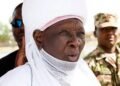
As the Independent National Electoral Commission (INEC) prepares for its nationwide mock accreditation and results-upload exercise on Saturday, November 28, 2026, Samson Itodo, Executive Director of civic organisation YIAGA Africa, has stressed that the exercise will only be meaningful if the commission addresses the problems identified during the process.
Latest: 2027 election timetable: election dates, PVC collection and INEC deadlines (live tracker)

Speaking on Channels Television’s Politics Today, Itodo said the mock exercise is designed to test the Bimodal Voter Accreditation System (BVAS) and the INEC Result Viewing Portal (IReV) ahead of the 2027 general elections. He said the exercise would also assess the functionality of the technology, the integrity of the voter register and accessibility for voters.
Key Highlights
- YIAGA Africa’s Samson Itodo says INEC must fix problems identified during the November 28 mock exercise.
- The exercise will test BVAS and the IReV portal ahead of the 2027 general elections.
- INEC plans to conduct the mock in 17,676 polling units across Nigeria.
- YIAGA Africa has deployed 347 citizen observers and 60 data clerks to monitor the exercise.
- Itodo has urged registered voters in selected polling units to participate.
“It is not just about conducting the mock elections; it is what we will see after this process and whether INEC will solve some of the issues that will come out of this,” Itodo stated.
The exercise is scheduled to take place from 8:30 a.m. to 2:30 p.m. across 17,676 polling units, with two polling units selected in each of the country’s 8,838 Registration Areas.
The mock exercise forms part of INEC’s preparations for the 2027 general elections and comes amid calls from civil society organisations and other stakeholders for comprehensive testing of the election technology following technical challenges experienced during the 2023 polls.
YIAGA Africa Deploys 347 Observers, 60 Data Clerks
Ahead of the exercise, YIAGA Africa announced the deployment of 347 trained citizen observers and 60 data clerks to monitor the process.
The organisation said it would use its Process and Results Verification for Transparency (PRVT) methodology and Election Results Analysis Dashboard (ERAD 2.0) to independently assess the performance of BVAS and IReV under simulated election conditions.
The observation is intended to provide independent information on how the systems perform and identify possible weaknesses that could affect their use during the 2027 general elections.
Itodo Urges Voters to Participate
Itodo also called on registered voters whose polling units have been selected for the exercise to turn out and participate.
He warned that poor voter participation could undermine the usefulness of the mock exercise, stressing that the commission needs a realistic assessment of its procedures and technology before the actual elections.
According to him, voter participation will help reveal operational challenges that may not become apparent if the exercise is conducted without sufficient public involvement.
YIAGA Calls for Transparency Ahead of Mock Exercise
In the weeks preceding the exercise, YIAGA Africa urged INEC to publish detailed guidelines and the complete list of participating polling units.
The organisation said timely access to the information would enable voters, political parties, election observers and the media to prepare adequately and monitor the exercise effectively.
INEC has clarified that dummy ballot papers without political party names will be used during the mock exercise.
YIAGA Africa has continued to emphasise the importance of transparency and timely communication in ensuring that the exercise achieves its objectives.
Read also:
- INEC Sets November 28 for Nationwide BVAS Mock Exercise, Selects 17,676 Polling Units
- INEC Announces Nationwide BVAS Mock Accreditation, Result Upload Exercise For November 28
- INEC to Conduct Mock Voting in 520 Polling Units Across Enugu Ahead of 2027 Elections
INEC Faces Test Ahead of 2027 Elections
The November 28 mock exercise is part of broader efforts to assess election technology and strengthen public confidence ahead of the 2027 general elections.
However, Itodo’s position highlights the importance of what happens after the exercise. Beyond testing BVAS and IReV, INEC will be expected to identify weaknesses, communicate its findings and implement necessary improvements before the next general elections.
For YIAGA Africa, the success of the exercise will ultimately depend on whether the problems identified are addressed before Nigerians return to the polls in 2027.
For live updates on the mock exercise and the road to 2027, follow us on X.