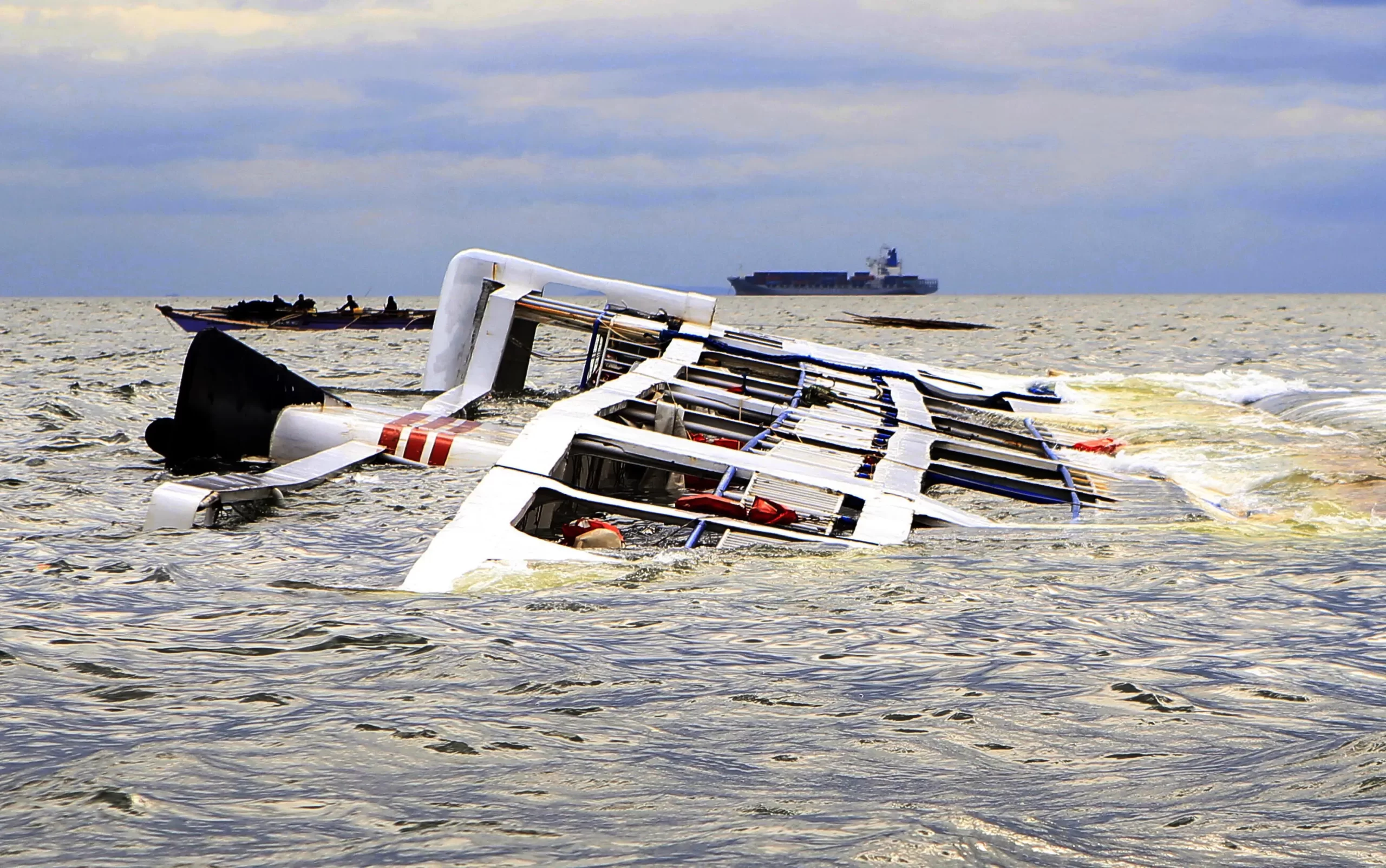
The Africa Blue Economy Roundtable (ABER) has called for urgent reforms in waterway safety governance across Nigeria and Africa following the recent fatal boat accident in Bayelsa State.
Latest: Bayelsa boat mishap: Ijaw elders demand independent probe and accountability

Key Highlights
- ABER has called for urgent reforms in waterway safety governance following the Bayelsa boat tragedy.
- Barr. Sophie De Sylvie Tiemagni identified overloading, lack of passenger manifests and failure to use life jackets as major safety concerns.
- The group proposed eight measures, including regular patrols, vessel inspections and passenger tracking.
- ABER urged maritime and emergency agencies to strengthen coordination and response mechanisms.
- The organisation called on governments to prioritise preventive measures and institutional accountability.
The First Vice Chairperson of ABER, Barr. Sophie De Sylvie Tiemagni, made the call in a statement on Tuesday, describing the incident as heartbreaking and urging authorities to address regulatory and institutional gaps contributing to preventable waterway accidents.
Tiemagni, a maritime lawyer and Blue Economy expert, extended condolences to the bereaved families, the Bayelsa State Government and the Federal Government, while wishing survivors a speedy physical and emotional recovery.
She identified overloading, the absence of passenger manifests, failure to use life jackets, poorly maintained boats and weak operational controls as major concerns affecting waterway safety.
According to her, these challenges reflect deeper institutional, regulatory and human capacity deficiencies that require urgent intervention.
ABER Proposes Eight Safety Measures
While acknowledging interventions proposed by President Bola Tinubu, Bayelsa State Governor Douye Diri and the Managing Director of the Niger Delta Basin Development Authority (NDBDA), Prince Ebitimi Amgbare, Tiemagni called for a comprehensive framework to improve safety on Nigeria’s waterways.
She proposed eight measures, including regular enforcement patrols, mandatory vessel inspections, comprehensive boat registration and passenger tracking, and professional training for boat operators.
Other recommendations include sustained public awareness campaigns, stronger institutional coordination, risk mapping of dangerous waterways and independent safety audits.
She also urged agencies such as the NDBDA, Nigerian Inland Waterways Authority (NIWA), the Nigerian Maritime Administration and Safety Agency (NIMASA), National Emergency Management Agency (NEMA), State Emergency Management Agencies (SEMAs) and the Marine Police to establish coordinated patrols, information-sharing mechanisms and emergency response protocols.
Read also:
- Tinubu Approves ₦250m for Families of Bayelsa Boat Accident Victims, Directs NDDC to Procure Boats
- Gov Diri Orders Probe Into Fatal Bayelsa Boat Accident, Vows To Prosecute Those Found Negligent
- Bayelsa Boat Mishap: NEMA Confirms Recovery Of Additional 20 Bodies, Deploys Technical Team
Modern Boats Must Be Backed by Effective Regulation
Tiemagni, who is also Chairperson of the Africa Blue Economy Forum, said efforts to modernise boats must be accompanied by stronger regulatory institutions and improved operational standards.
“A modern boat without proper inspection, a trained operator, a safe navigational channel and effective enforcement can still become a death trap,” she said.
She stressed that the Blue Economy must prioritise human safety, environmental protection and the responsible use of marine and inland waterway resources.
“There is no Blue Economy without clean and safe rivers,” she added, noting that sustainable maritime development depends on effective regulation, institutional accountability and professional capacity.
Tiemagni urged governments and relevant agencies to use the Bayelsa tragedy as a turning point for improving waterway safety.
She called on authorities to move from condolences to concrete commitments, fragmented interventions to coordinated action, and reactive responses to preventive governance.
For more updates on Niger Delta and maritime news, follow us on X.