The North-East Development Commission (NEDC) is preparing to deploy 10,330 electric vehicles across the six states of the region under an initiative aimed at reducing transportation costs, creating jobs and promoting cleaner mobility.
Latest: Related: Zulum rolls out N1bn support package, 500 e-tricycles for commercial tricycle riders

Key Highlights
- NEDC plans to deploy 10,330 electric vehicles across the six North-East states.
- The fleet will comprise 10,000 tricycles, 300 taxis and 30 buses.
- Electric tricycles are expected to serve rural communities, while buses and taxis will operate mainly in urban centres.
- Each tricycle will come with two charging units for use by operators.
- Transport unions have called for transparent beneficiary selection and equitable distribution.
- The Commission has begun stakeholder training ahead of the rollout.
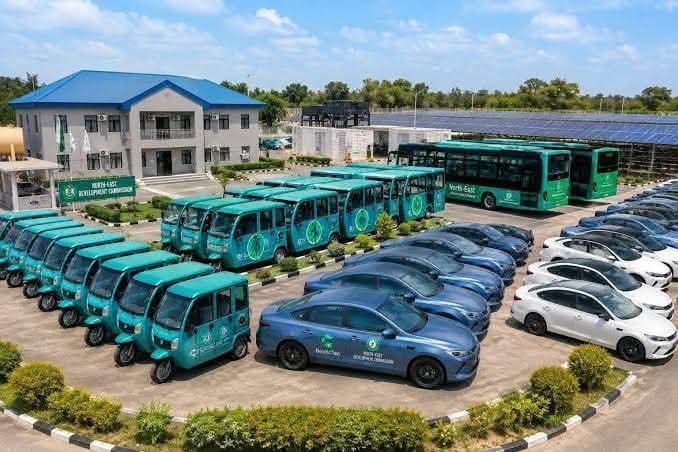
The proposed fleet, comprising 10,000 electric tricycles, 300 electric taxis and 30 electric buses, was showcased in photographs shared by the Commission on its Facebook page on November 23, 2026.
The vehicles, branded “North-East Electric Mass Transit”, were displayed in rows, with images showing tricycles, taxis and buses bearing the NEDC identity. The post attracted public interest, with many people asking when the vehicles would be deployed and how prospective beneficiaries could apply.
The initiative is being implemented in partnership with Attahir Enterprises Nigeria Limited. It is designed to provide more affordable transport services, create employment opportunities and reduce the environmental impact of road transportation.
How the Electric Vehicles Will Operate
According to Umar Abatcha, Chief Executive Officer of Attahir Enterprises, the vehicles can travel up to 300 kilometres on a full charge.
The deployment plan provides for different categories of vehicles to serve different transportation needs across the region.
The electric buses and taxis will operate mainly in urban centres, with three charging points planned to support their operations.
The tricycles, meanwhile, will be deployed to local government areas to extend the programme to rural communities.
Each electric tricycle will come with two charging units, allowing operators to charge the vehicles at home. This arrangement is expected to address some of the challenges associated with the limited availability of public charging infrastructure in parts of the region.
Abatcha explained that the tricycles were intended mainly for local transportation and would not be suitable for long-distance journeys.
He said rural communities would initially benefit through the deployment of electric tricycles.
Who Will Receive the Vehicles?
The vehicles will be handed over to the respective state governments for distribution to selected beneficiaries, who are expected to undergo training before operating them.
The proposed distribution arrangement has, however, raised questions about transparency, fairness and the selection of beneficiaries.
At a two-day stakeholders’ engagement in Bauchi, themed “Powering the North-East: Embracing Electric Mobility for a Cleaner, Smarter and Prosperous Future”, transport union representatives called on the Commission to involve recognised associations in the distribution process.
Ismail Abubakar, Bauchi State Chairman of the National Union of Road Transport Workers (NURTW), urged the NEDC to work with recognised transport associations to promote transparency, accountability and fairness in selecting beneficiaries.
Abdullahi Muhammad, Zonal Chairman of the Road Transport Employers Association of Nigeria (RTEAN), warned that distributing the vehicles through political structures could lead to beneficiaries being selected on political grounds rather than according to need.
He proposed equitable distribution across senatorial zones, clear conditions for vehicle use and maintenance, and direct involvement of transport unions.
Muhammad argued that transport associations operated under established constitutions, rules and regulations, making them suitable partners in the selection process.
He also cautioned prospective beneficiaries against treating the vehicles as “their share of the national cake”, stressing that they should be regarded as tools for providing transport services and improving livelihoods.
Traditional institutions have also indicated their willingness to support the programme. The District Head of Shafa, Lawal Mohammed, said traditional rulers would sensitise residents to the benefits of electric mobility, particularly in rural communities.
Read also:
- Gov. Zulum rolls out N1bn support package, 500 e-tricycles for commercial tricycle riders
- Nigeria Customs Begins Duty-Free Import for Eligible CNG, Electric Vehicles, Excludes Hybrids
- Governor Otu unveils 36 electric vehicles for permanent secretaries in Cross River
NEDC Begins Training Ahead of Rollout
The Commission has commenced stakeholder training ahead of the deployment of the vehicles.
In Maiduguri, Borno State, the NEDC organised a training workshop involving automobile technicians, transport association members, police officers and officials of the Federal Road Safety Corps (FRSC).
The training focused on the operation and maintenance of electric vehicles, as well as measures to protect the vehicles and ensure their continued use.
Abatcha said the workshop, which began in Taraba State and is being extended across the six states of the North-East, was designed to bring stakeholders together and prepare them for the arrival of the vehicles.
He said the sessions would help participants understand how to operate, protect and maintain the vehicles.
Selected beneficiaries are also expected to receive further training and manuals to guide them in using the vehicles.
Economic and Environmental Benefits
The NEDC considers the electric mobility initiative part of its wider development programme for the North-East.
Attahir Enterprises CEO Bunu Abatcha said the project aligned with President Bola Tinubu’s Renewed Hope Agenda and the North-East Stabilisation and Development Master Plan, which identifies transportation as an important component of regional development.
NEDC Bauchi State Coordinator, Aliyu Isiyaku, said the initiative was intended to provide affordable, safer and environmentally friendly transportation services.
He added that the programme would create employment opportunities for young people, protect the environment and reduce carbon emissions.
Isiyaku said the success of the initial deployment would help determine whether the programme could be expanded across the region.
Key Details Yet to Be Announced
Despite the public display of the vehicles and the stakeholder training sessions, several important details about the programme remain unclear.
They include:
- Deployment date and locations: The Commission has yet to announce when the vehicles will begin operating and the first locations to benefit.
- State allocations: The exact number of vehicles to be assigned to each of the six states has not been disclosed.
- Beneficiary selection: The eligibility requirements, application process and selection criteria are yet to be made public.
- Charging and maintenance costs: Details of charging fees, maintenance arrangements and responsibility for operating the charging points remain unclear.
- Passenger fares: The Commission has not announced whether fares will be regulated to ensure that commuters benefit from the expected reduction in operating costs.
These details will be important in determining how effectively the programme serves transport operators and residents across the region.
The Road Ahead
The NEDC’s proposed deployment of 10,330 electric vehicles represents a major transportation initiative for the North-East.
The plan includes a large fleet of electric tricycles for local communities, buses and taxis for urban centres, charging arrangements and training for operators and other stakeholders.
However, its long-term success will depend on transparent distribution, clear operating guidelines, affordable charging, reliable maintenance and proper monitoring.
For now, the vehicles have been displayed and preparations are under way. Residents and prospective beneficiaries are waiting for the Commission to announce the rollout date, state allocations and application procedures.
For more updates on this story, follow us on X.