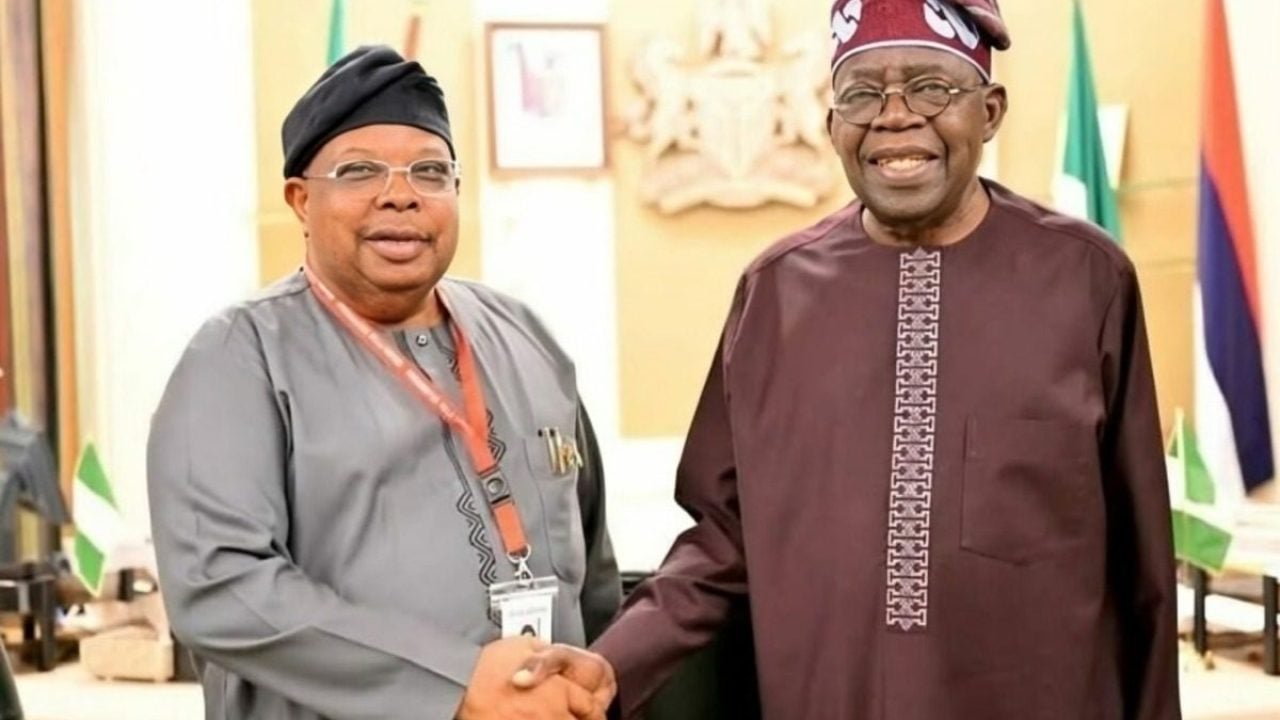
Nigerians have expressed frustration, disbelief and anger after Minister of Power Joseph Tegbe said it could take another three to five years before the country achieves stable electricity supply, with many citizens demanding clear results instead of fresh promises from the Federal Government.
The minister’s remarks, which have triggered widespread reactions on social media, followed his apology to Nigerians over persistent power outages. Speaking during an interview on TVC Breakfast on November 9, 2026, Tegbe said he understood the hardship caused by unreliable electricity and was committed to fixing the country’s power infrastructure with the support of President Bola Tinubu.

Key Highlights
- Nigerians react angrily to the Minister of Power’s three-to-five-year timeline for stable electricity.
- Joseph Tegbe apologises to citizens over persistent power shortages.
- The Federal Government is proposing a $2 billion East-West Super Grid.
- Nigeria has about 13,625MW of installed generation capacity but generates approximately 5,000MW.
- Critics demand measurable targets and accountability instead of another electricity promise.
- Businesses and households continue to spend heavily on generators, fuel and alternative power sources.
Nigerians Question Fresh Electricity Promise
The minister’s statement has attracted criticism from Nigerians who say successive administrations have repeatedly promised improvements in electricity supply without delivering lasting results.
One social media user questioned the government’s expectation that citizens should continue waiting, arguing that Nigerians bear the daily economic consequences of unreliable electricity.
The user wrote: “Three to five years for stable electricity, Tegbe says. Infrastructure takes time, but Nigerians are paying for this delay every day. Give us a public delivery plan with dated milestones and supply data. Patience cannot remain the main contribution expected from citizens.”
Other Nigerians expressed anger over the minister’s remarks, with some questioning why the government could not provide more immediate solutions to the country’s electricity challenges.
One particularly critical reaction dismissed the minister’s explanation, while other users circulated clips of the interview and questioned whether electricity had returned to their communities following recent repairs.
The reactions reflect growing public frustration over prolonged blackouts, rising electricity costs and the increasing financial burden placed on households and businesses.
For many Nigerians, the concern is not simply the three-to-five-year timeline but the lack of confidence in repeated government assurances about when stable power will become a reality.
Tegbe Apologises, Says Stable Electricity May Take Five Years
During the TVC Breakfast interview, Tegbe acknowledged the difficulties Nigerians face because of unreliable electricity and expressed sympathy for affected households and businesses.
He said, “What I have to say is that I feel your pain,” while assuring Nigerians of his commitment to restoring the country’s electricity infrastructure.
When asked when citizens could begin experiencing stable power supply, the minister explained that expanding infrastructure and improving generation and transmission capacity would require time.
He indicated that Nigerians could begin experiencing more reliable electricity within three to five years.
Tegbe also disclosed plans for a proposed $2 billion East-West Super Grid designed to accommodate at least 19,000 megawatts of electricity.
According to him, the government is working to improve existing electricity assets, strengthen transmission infrastructure and attract additional private-sector investment across the generation, transmission and distribution segments.
Nigeria Generates Only 5,000MW Despite 13,625MW Installed Capacity
The minister disclosed that Nigeria has approximately 13,625 megawatts of installed electricity generation capacity but currently generates only about 5,000 megawatts.
He attributed the gap to operational difficulties, infrastructure limitations and other challenges affecting the country’s electricity value chain.
Addressing recent power interruptions, Tegbe said the outages were not caused by a complete national grid collapse but were linked to planned maintenance at Egbin Power Station and vandalism of the Benin-Egbin 330kV transmission line.
He stated that the affected transmission line had since been restored.
The minister also referenced ongoing efforts to repair the long-vandalised Osogbo-Ikeja West transmission line as part of measures to improve electricity distribution.
However, the explanation has done little to calm public concerns, as millions of Nigerians continue to experience inconsistent electricity supply.
Tinubu’s Constant Electricity Campaign Promise Comes Under Scrutiny
Tegbe’s latest timeline has also revived questions about President Bola Tinubu’s earlier electricity campaign promises.
During the 2023 election campaign, Tinubu pledged to address Nigeria’s electricity challenges and promised significant improvements in power supply.
His administration has faced increasing criticism over persistent outages, high energy costs and the continued dependence of businesses on diesel and petrol generators.
Opposition figures and critics have repeatedly questioned the government’s performance in the power sector, arguing that Nigerians are yet to experience the transformation promised during the election campaign.
The latest three-to-five-year projection has therefore renewed debate over whether the administration can deliver reliable electricity before the end of its tenure.
Previous Electricity Promises Fuel Public Scepticism
Public scepticism surrounding Tegbe’s statement is also connected to previous assurances by successive power ministers.
His predecessor, Adebayo Adelabu, had at different times promised improvements in electricity supply, including a two-week timeline during a period of widespread outages.
However, many Nigerians continued to complain about persistent blackouts despite those assurances.
Other administrations have also announced short-term and medium-term electricity improvement plans, but the country’s power challenges have remained largely unresolved.
The repeated cycle of promises has contributed to public distrust, with citizens increasingly demanding specific targets, transparent implementation and consequences for officials who fail to deliver.
Read also:
- Kate Henshaw Challenges Tinubu Government Over Power Outages, Demands Names Of Nigerians Complaining Of Excess Electricity
- Nigeria’s Power Generation Crashes From 3,840MW To 477MW
- Spyro Reignites Conversation About Electricity Supply In Nigeria With Reference To DisCos Relying On Generators
FG Outlines Three-Phase Electricity Recovery Plan
Tegbe has previously outlined a phased strategy to improve Nigeria’s electricity sector through stabilisation, expansion and transformation.
The plan reportedly involves stabilising the existing electricity infrastructure, increasing generation and transmission capacity, and introducing longer-term structural reforms.
The government has identified key electricity transmission corridors, including Lagos-Ogun, Benin-Enugu-Port Harcourt and Abuja-Kaduna-Kano.
These areas are expected to receive attention because of their economic importance and electricity demand.
Other proposed interventions include technical audits of existing facilities, improved utilisation of power plants, expanded metering programmes, additional transmission infrastructure and increased private-sector participation.
The proposed East-West Super Grid is also expected to play a major role in expanding the country’s electricity transmission capacity.
Nigerians Demand Results, Not Another Electricity Promise
Despite the government’s proposed interventions, households and businesses continue to struggle with unreliable electricity supply.
Small businesses spend substantial amounts on petrol and diesel to operate generators, while manufacturers face higher production costs because of inadequate power.
Households also spend heavily on alternative electricity sources, including inverters, solar systems and generators.
For many Nigerians, the consequences extend beyond inconvenience, affecting business productivity, education, healthcare services and the overall cost of living.
Although Tegbe’s three-to-five-year projection provides a longer-term timeline for addressing the crisis, citizens are demanding evidence of progress before then.
Many are calling for publicly accessible implementation schedules, regular electricity generation and transmission reports, measurable improvements in daily supply hours and accountability for failed projects.
Whether the proposed $2 billion Super Grid, infrastructure repairs and private-sector investments will finally deliver stable electricity remains a major test for the Tinubu administration.
For now, Nigerians appear less interested in another long-term promise than in seeing consistent electricity supply in their homes and businesses.
For more updates on Nigeria’s power sector, follow us on X.