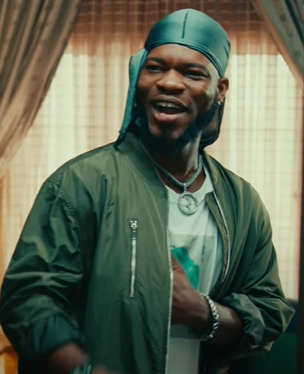
Nigerian comedian and skit maker Samuel Animashaun Perry, popularly known as Broda Shaggi, has recounted his four-month hospitalisation in Nigeria after being hit by a stray bullet, revealing how the search for specialised medical treatment eventually took him to Dubai for a replacement procedure and further care.
The entertainer shared his experience in a YouTube documentary titled Second Chance (The Story), released on October 21, 2026. His account has renewed public discussion about access to specialised healthcare, treatment delays and the capacity of Nigerian hospitals to manage complex injuries.

Key Highlights
- Broda Shaggi says he spent four months in Nigerian hospitals after being hit by a stray bullet.
- The comedian travelled to Dubai for a replacement procedure and further treatment.
- He described the emotional strain of prolonged hospitalisation and fears about returning to comedy.
- His experience has sparked fresh debate about specialised medical services in Nigeria.
- The case highlights concerns about rehabilitation, mental health support and access to advanced treatment.
Broda Shaggi Recounts Stray Bullet Incident in Ogun
According to Shaggi, the shooting occurred while he was wrapping up a brand shoot in Ogun State. He said he and his team were leaving the location when they became caught in a robbery.
“We were done shooting and were on our way when we got stuck in a holdup. Suddenly, I heard a loud bang and everywhere went silent. I could see people talking, but I couldn’t hear anything. Then I touched my hip and saw blood. That was when it dawned on me that I had been hit by a stray bullet,” he recounted.
The incident left the comedian requiring prolonged medical care. He said he spent four months in Nigerian hospitals before travelling to Dubai for the replacement procedure and additional treatment he needed.
His account has prompted questions about the availability of specialised procedures and the challenges patients may encounter when seeking complex medical care in Nigeria.
Broda Shaggi’s Treatment Abroad Sparks Healthcare Debate
Shaggi’s experience has drawn attention to the differences patients may encounter when seeking treatment locally and abroad.
A social media user, SKB (@seyikanbai), highlighted the reported timeline of the comedian’s treatment, noting that he spent four months in a Nigerian hospital before having the required procedure completed in Dubai in less than a week.
“Nigerian healthcare has a LONG way to go,” the user wrote.
Nigeria has healthcare professionals and facilities capable of treating many serious medical conditions. However, access to particular specialised procedures may be affected by equipment availability, specialist capacity, rehabilitation services, cost and waiting times.
Shaggi’s experience has renewed calls for closer attention to these challenges. However, his individual account does not, on its own, establish the overall performance of Nigeria’s healthcare system or whether the procedure was unavailable in every Nigerian facility.
Comedian Opens Up About Emotional Strain of Recovery
Beyond the physical injury, Shaggi described the emotional toll of spending months in hospital and being separated from his regular work.
“I was hospitalized for months, and I felt so useless. I would see my colleagues post skits and burst into tears because I wasn’t sure I would ever be able to do it again. I was scared people would have forgotten me by the time I returned,” he said.
His account highlights the psychological challenges that can accompany serious injuries, lengthy hospital stays and uncertainty about returning to work.
For entertainers and other self-employed professionals whose income depends on regular activity, prolonged illness or injury can also create financial pressure and concerns about maintaining an audience.
Shaggi reportedly continued creating content from his hospital bed despite his fears about whether he would be able to resume his career.
Read also:
- Abdulsalami Abubakar’s India Knee Surgery Sparks Medical Tourism Debate In Nigeria
- Corps member dies after being struck by stray bullet during security operation in Abuja
- Gov. Zulum pledges to curb medical tourism with state-of-the-art teaching hospital
Social Media Users React to Broda Shaggi’s Recovery
The documentary attracted reactions from social media users, with many welcoming the comedian’s recovery while others questioned aspects of its presentation.
Chef Jones (@ikpe neayo) reflected on the pressures public figures face in maintaining relevance, writing: “This why being a public figure is scary, being relevant is always one thing that leads most into depression, being consistent is a gift, and those that have been doing it, should always thank God. Welcome back Shaggi.”
Giftsonbliss (@OgegeGift) also expressed relief, writing: “Forget you keh. ThankGod for you. Full recovery.”
Another user, Annabelle (@prettybell05), expressed sadness over Shaggi’s ordeal but questioned a scene in which a woman appeared to bring tissue shortly before the comedian began crying.
Adeola (@olatheactivistt) celebrated the comedian’s influence, writing: “We can never forget you goat you introduced me to YouTube comedy when I was little and till now I watch your skit ThankGod you’re healthy and back.”
Far From Perfect (@Leo 6teen) praised Shaggi’s standing in the entertainment industry but questioned the documentary’s presentation, suggesting that the interview appeared scripted to attract a larger audience.
The reactions reflected both public concern for the comedian’s wellbeing and differing opinions about how his recovery story was presented.
Broda Shaggi’s Ordeal Raises Questions About Specialised Healthcare
Shaggi’s account has brought renewed attention to the importance of accessible specialised medical services, timely treatment, effective rehabilitation and psychological support for patients recovering from serious injuries.
His experience also raises questions about why some Nigerians seek treatment abroad after spending considerable time in local hospitals, particularly when they require specialised procedures.
Addressing such concerns requires examining the availability of advanced medical equipment, the distribution of specialist personnel, hospital capacity, treatment costs and access to post-treatment rehabilitation.
Although one patient’s experience cannot determine the overall state of Nigeria’s healthcare system, Shaggi’s story has added to public discussion about the challenges patients may face when seeking complex medical care.
In the documentary, the comedian was seen walking with crutches and indicated that he was looking forward to new projects as he continued his recovery.
For more entertainment news, follow us on X.