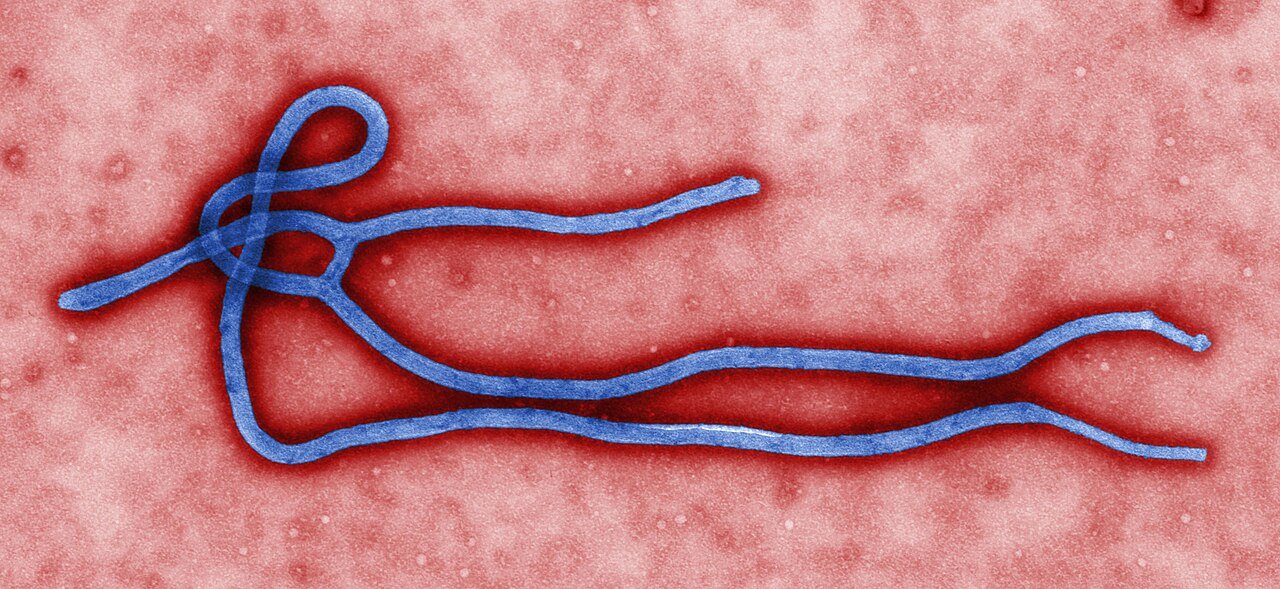
Nigeria has confirmed a case of Ebola virus disease in the Federal Capital Territory, prompting the federal government to activate emergency public health measures to prevent further transmission.
Key Highlights
- Nigeria confirmed an Ebola case in Abuja on October 20, 2026, involving the Bundibugyo virus.
- The patient, a woman with recent travel history involving Uganda, is in isolation.
- 44 contacts have been identified and are being monitored.
- Symptoms can appear 2 to 21 days after exposure and may resemble malaria or typhoid.
- Ebola spreads through direct contact with body fluids, not through the air like measles.
- Nigeria contained its 2014 outbreak with rapid contact tracing and isolation.
The Federal Ministry of Health and Social Welfare confirmed the case on Tuesday, October 20, 2026, following laboratory tests that detected the Bundibugyo virus, a type of Ebola virus.

According to the World Health Organisation (WHO), the patient is a woman with a recent travel history involving Uganda.
She reportedly developed symptoms on October 7, four days after arriving in Nigeria, and sought treatment at a private health facility in Abuja on October 11.
She is currently in isolation and receiving medical care, while health authorities investigate the likely source of her infection and reconstruct her travel and exposure history.
The government said 44 contacts have been identified for monitoring as part of efforts to prevent further spread of the disease.
The development has renewed concerns about Ebola in Nigeria, particularly as the country strengthens surveillance following outbreaks elsewhere in Africa.
What Is Ebola Virus Disease?
Ebola virus disease (EVD) is a severe and potentially fatal infectious disease caused by viruses belonging to the Orthoebolavirus genus.
The disease can affect humans and certain animals and is primarily transmitted through direct contact with the blood or other body fluids of an infected person who is showing symptoms.
The virus can also spread through contact with contaminated objects and infected animals, particularly when people handle or consume infected wildlife.
Although Ebola can cause severe illness, early detection, appropriate medical care and effective infection prevention measures can improve outcomes and help contain outbreaks.
What Is The Bundibugyo Virus?
The confirmed case in Abuja involves the Bundibugyo virus, which causes Bundibugyo virus disease, a form of Ebola disease. The virus was first identified during an outbreak in Uganda in 2007.
Bundibugyo virus is distinct from the Zaire ebolavirus, which was responsible for the devastating West African Ebola epidemic of 2014 to 2016.
The distinction is important because vaccines and treatments developed for one Ebola virus species may not necessarily be effective against another.
Investigation Into The Abuja Case
The circumstances surrounding the Abuja case remain under investigation. Although the infected woman reportedly travelled from Uganda before she was diagnosed in Nigeria, her travel history alone does not establish where she contracted the virus.
Health authorities are examining her movements, possible exposure to infected individuals and other relevant details to determine the likely source of infection.
The investigation also seeks to identify people who may have had contact with her while she was infectious.
The identification of 44 contacts is part of the public health response. These individuals are being monitored to determine whether they develop symptoms and to facilitate prompt intervention if necessary. Being identified as a contact does not mean that a person has Ebola.
Symptoms Of Ebola
Ebola symptoms may begin between two and 21 days after exposure to the virus, with symptoms commonly appearing within eight to 10 days.
The early symptoms can resemble those of malaria, typhoid fever and other common infections in Nigeria, making it important for people to seek medical attention and disclose relevant travel or exposure histories.
Common symptoms include fever, severe headache, muscle and joint pain, weakness, fatigue, loss of appetite, abdominal pain, vomiting and diarrhoea. Some patients may also experience difficulty swallowing and unexplained bleeding.
However, not every infected person develops bleeding. The absence of bleeding does not rule out Ebola.
As the disease progresses, some patients may experience severe dehydration, organ dysfunction and other life-threatening complications.
Anyone who develops compatible symptoms after possible exposure to Ebola should seek urgent medical assessment and inform healthcare workers about their travel history or contact with a suspected or confirmed case.
People should follow instructions from public health authorities and avoid exposing others while seeking medical attention.
How Ebola Spreads
Ebola does not spread in the same way as measles or other infections that readily travel through the air. Transmission generally occurs through direct contact with the blood, secretions or other body fluids of an infected person who is experiencing symptoms.
The virus can enter the body through broken skin or the eyes, nose and mouth.
Common routes of transmission include contact with the body fluids of an infected person, contaminated clothing and bedding, unsafe medical procedures, handling the body of someone who has died from Ebola and contact with infected wildlife.
Healthcare workers can face increased risks when treating patients without appropriate protective equipment and infection prevention procedures.
This is why hospitals are expected to identify suspected cases promptly, isolate patients when necessary and use appropriate protective equipment.
Should Nigerians Panic?
The confirmed case in Abuja requires serious attention, but Nigerians should avoid panic and rely on verified information from public health authorities.
The government has activated response measures, including contact tracing, surveillance and stronger infection prevention procedures at the facility where the patient received treatment.
However, a single confirmed case does not automatically mean that a widespread outbreak has occurred. The risk of further spread will depend on factors including how quickly the infection is detected, whether contacts can be traced, the effectiveness of isolation measures and compliance with infection prevention protocols.
Members of the public should avoid spreading unverified reports about alleged cases, affected hospitals or individuals. They should also avoid stigmatising travellers, healthcare workers or anyone being monitored because of possible exposure.
How To Prevent Ebola
Preventive measures remain important as health authorities work to contain the confirmed case.
Nigerians are advised to wash their hands regularly with soap and running water, avoid contact with the blood and other body fluids of anyone suspected or confirmed to have Ebola, and avoid handling the bodies of suspected Ebola victims.
Funeral and burial activities involving suspected or confirmed cases must be handled by trained personnel following public health guidance because the bodies of people who die from Ebola may remain infectious.
Travellers should comply with applicable health declarations, screening and monitoring requirements issued by Nigerian authorities.
People who develop compatible symptoms after possible exposure should contact a healthcare facility promptly and disclose their travel or exposure history.
Healthcare facilities are also expected to maintain strict infection prevention and control measures, including appropriate protective equipment, safe patient handling and prompt reporting of suspected cases.
Government Response
Following laboratory confirmation of the case, the Federal Government said it had activated emergency public health measures in collaboration with the Nigeria Centre for Disease Control and Prevention (NCDC) and other relevant authorities.
The response includes contact tracing, enhanced surveillance and strengthened infection prevention and control measures at the private hospital where the patient received care.
The government has also directed healthcare facilities nationwide to remain vigilant, promptly identify and isolate suspected cases, and report them to the appropriate public health authorities.
The NCDC is coordinating the national response, while the WHO and other partners are supporting efforts to strengthen disease surveillance, contact tracing, clinical management and infection prevention.
The effectiveness of these measures will depend on timely detection, cooperation from identified contacts, accurate reporting and sustained monitoring.
Read also:
- BREAKING: Ebola Case Confirmed in Abuja as Health Authorities Begin Contact Tracing
- Kenya Records First Ebola Death: What Nigerians Need To Know About The Outbreak
- Africa CDC Blames Delayed Detection, Diagnostic Challenges For Spread Of Ebola Virus In DRC
- Ogun Strengthens Disease Surveillance Measures, Confirms No Recorded Case Of Ebola
Lessons From Nigeria’s 2014 Ebola Outbreak
Nigeria has previous experience responding to Ebola virus disease.
In July 2014, the country confirmed its first case during the major West African Ebola epidemic after an infected Liberian-American, Patrick Sawyer, arrived in Lagos.
His illness led to further infections among people who had contact with him, including healthcare workers.
Nigeria eventually recorded 20 confirmed and probable cases, including eight deaths, according to widely reported WHO figures.
The outbreak was declared over on October 20, 2014, after Nigeria completed the required period without new transmission.
The response involved extensive contact tracing, isolation, laboratory testing, public awareness campaigns and coordination among health authorities.
Nigeria’s experience became an important example of how rapid identification of cases and effective contact tracing can help contain an outbreak in a densely populated country.
However, the current case involves the Bundibugyo virus, making it important for authorities to follow the specific clinical and public health guidance applicable to the strain.
The lessons from 2014 remain relevant: early reporting, strong surveillance, protection of healthcare workers and public cooperation are essential to preventing further transmission.
Nigerians seeking information about Ebola symptoms, exposure, prevention and response measures should consult official public health sources rather than rely on unverified social media posts.
The NCDC, the Federal Ministry of Health and Social Welfare, and the WHO provide public health information and updates on Ebola and other infectious diseases.
As investigations continue into the confirmed case in Abuja, the public is advised to remain calm, practise good hygiene, avoid contact with potentially infectious body fluids and follow official instructions.
The immediate priority is to identify people who may have been exposed, monitor their health and prevent further transmission.
As Nigeria responds to the confirmed Ebola case, early detection, effective contact tracing and public cooperation will be critical to containing the infection.
For verified updates on the Ebola situation in Nigeria, follow us on X.