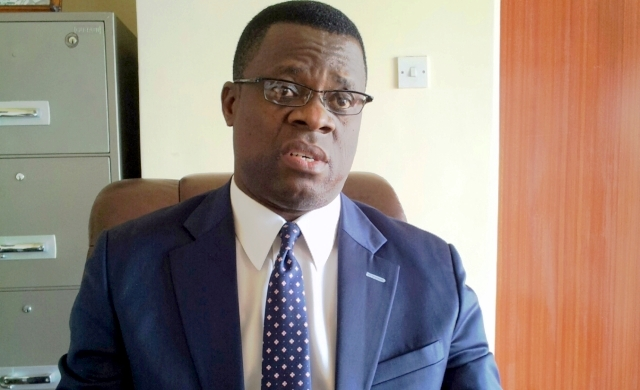
The Nigeria Democratic Congress (NDC) has accused the ruling All Progressives Congress (APC) of allegedly offering money, political appointments and other incentives to opposition candidates to induce them to defect ahead of the 2027 general elections. The allegation comes as former Independent National Electoral Commission (INEC) National Commissioner Mike Igini has warned that weak enforcement of electoral laws and political intimidation could undermine Nigeria’s democratic process.
Key Highlights
- NDC accuses the APC of allegedly using money and political appointments to attract defecting candidates.
- The party describes the defectors as lacking ideological commitment.
- NDC says it will conduct fresh congresses to select replacement candidates in affected constituencies.
- Former INEC National Commissioner Mike Igini raises concerns about electoral law enforcement ahead of the 2027 elections.
- Igini highlights legal provisions prohibiting the coercion of candidates and threats over electoral choices.
- The allegations and warnings intensify scrutiny of Nigeria’s political environment ahead of the 2027 general elections.
NDC Accuses APC of Offering Inducements to Defecting Candidates
In a statement issued in Abuja on Tuesday, October 20, 2026, NDC National Publicity Secretary Osa Director alleged that some of the party’s candidates had been induced by the APC to defect for financial and other personal benefits.

The party accused the ruling party of employing what it described as “desperate and malicious tactics,” including alleged offers of cash, political appointments and other material incentives to attract opposition candidates.
“For those who have fallen for this bait, it is clear that they lack the values, virtues, and ideological commitment associated with our great party. They were never truly of us,” the statement said.
The NDC dismissed the defectors with the phrase “good riddance to bad rubbish” and wished them luck in what it described as their political misadventures.
However, the party did not identify the candidates allegedly involved or provide detailed evidence to substantiate the claims of bribery.
The APC’s alleged inducements, as described by the NDC, remain accusations and have not been independently established by the information available for this report.
NDC Plans Fresh Congresses to Replace Defecting Candidates
Despite the alleged defections, the NDC maintained that the development would not derail its preparations for the 2027 general elections.
The party said it would conduct fresh congresses in line with what it described as the provisions of the Electoral Act 2026 to select new candidates for constituencies affected by the defections.
It said the replacement candidates would be credible, competent and trustworthy individuals capable of representing the party in the forthcoming elections.
The NDC also urged its members and supporters not to be discouraged by the development, describing the alleged inducements as “the last kicks of a dying horse.”
The party reaffirmed its commitment to challenging the APC and what it described as the grip of powerful political interests on the country.
Earlier in October, NDC chieftain Buba Galadima had made related allegations concerning financial incentives allegedly offered to opposition politicians to step aside for APC candidates. Some of the reported claims involved substantial sums of money and vehicles.
Meanwhile, some politicians who have defected to the APC have publicly attributed their decisions to national unity and support for President Bola Tinubu’s agenda rather than financial inducements.
Mike Igini Raises Concerns Over Electoral Law Enforcement
Separately, former INEC National Commissioner Mike Igini has warned that weak enforcement of electoral laws and threats against political actors could undermine Nigeria’s democracy ahead of the 2027 elections.
Speaking on Arise Television on Tuesday, Igini expressed concern about what he described as the failure to enforce existing legal protections relating to political participation and electoral choices.
He referred to Section 97 of the relevant electoral law, which he said prohibits compelling candidates to support a particular political party or candidate.
“The law is there, but today, we are now in a state of anomy. The laws are no longer enforced,” Igini said.
He described the situation as a major concern ahead of the next general elections, arguing that Nigeria’s political processes have significant implications for economic development.
“If we cannot fix the politics, we can never fix our economy, because our development are embedded in politics and political processes,” he added.
Igini also expressed concern about threats against individuals over their political choices, warning that intimidation could weaken democratic participation and undermine confidence in the electoral process.
Read also:
- 2027 polls: Presiding officers likely face danger at polling units – Igini
- Delta 2027: NDC Governorship Candidate Chris Iyovwaye Criticises ₦5bn Empowerment Scheme
- APC vs NDC: War of Words Erupts on Delta Facebook Pages as 2027 Election Mobilisation Begins
2027 Elections to Test INEC, Judiciary and Politicians
Igini said the 2027 general elections would be a major test for Nigeria’s democratic institutions, including INEC, the judiciary and politicians seeking elective offices.
His concerns included the enforcement of electoral laws, the role of courts in resolving election disputes and the need for stronger safeguards to protect the integrity of elections.
He has previously called attention to the importance of ensuring that electoral disputes are addressed within the appropriate legal framework and that technology is used effectively to improve electoral transparency.
The former electoral commissioner’s latest comments come amid growing political activity, high-profile defections and competing allegations among political parties ahead of the 2027 elections.
The NDC’s bribery allegations against the APC and Igini’s concerns about electoral law enforcement have added to the debate over political conduct, accountability and the credibility of Nigeria’s next general elections.
The claims of financial inducements remain unverified based on the information available for this report, while Igini’s warnings have renewed attention on the importance of enforcing electoral protections and ensuring that political competition takes place within the law.
For more 2027 election updates, follow us on X.