
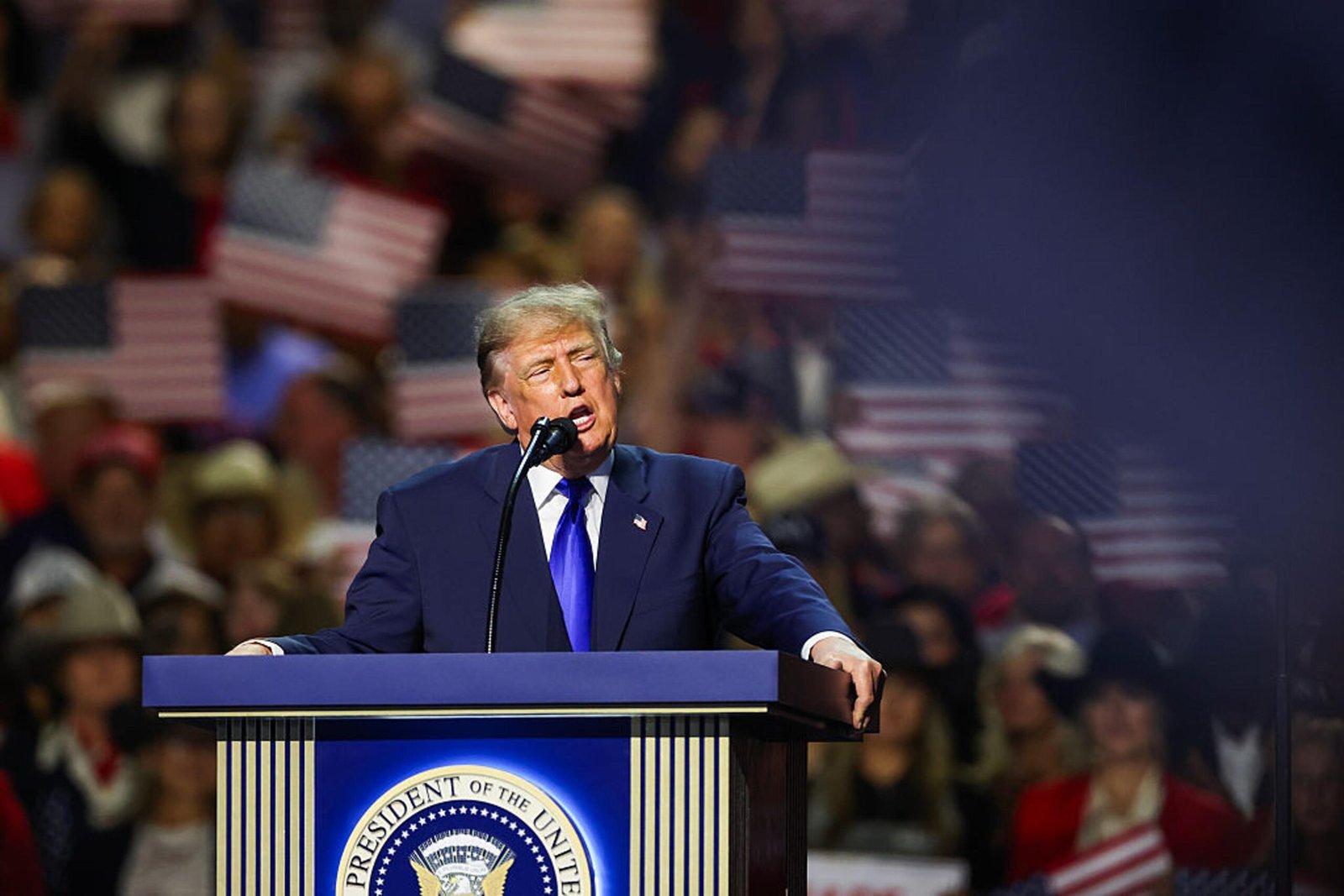
US President Donald Trump has cancelled plans to livestream the planned execution of former US Army psychiatrist Nidal Hasan, who was convicted of killing 13 people in the 2009 Fort Hood shooting in Texas. Trump announced the decision on Thursday, October 15, following criticism of the proposed public broadcast, while maintaining that Hasan’s execution by firing squad is scheduled to proceed on December 3, 2026.
Key Highlights
- Donald Trump has cancelled plans to livestream Nidal Hasan’s planned execution.
- Hasan’s execution by firing squad remains scheduled for December 3, 2026, according to the announcement.
- Trump said the broadcast would not proceed after some people raised concerns about watching the execution.
- The president said the families of the Fort Hood shooting victims would be allowed to witness the execution in person.
- Defence Secretary Pete Hegseth had previously indicated that the execution would be livestreamed.
- Retired military officers and Vice-President JD Vance were among those reported to have expressed reservations about the broadcast.
- Hasan was convicted of killing 13 people and wounding 32 others in the November 5, 2009, Fort Hood shooting.
- If carried out, the execution would be the first US military execution in more than 60 years.
Trump Ends Plan to Broadcast Nidal Hasan’s Execution
Trump announced the cancellation after the proposed livestream generated criticism over the ethics and implications of broadcasting a military execution to the public.

The president said some people had expressed reservations about watching Hasan die, despite his own earlier support for making the execution public.
“Many very good and well meaning people would rather not watch him die,” Trump said.
He added that he had believed the broadcast could demonstrate how the United States deals with terrorism and attacks against military personnel. However, he said the decision had been made not to stream the execution.
“He will die, as scheduled, by firing squad, but this event will not be streamed,” Trump said.
The president also said relatives of the victims would be permitted to attend the execution in person.
“They deserve to witness JUSTICE!” he added.
Pentagon Had Planned Livestream of Fort Hood Shooter’s Execution
The Pentagon announced last week that Hasan was scheduled to be executed by firing squad on December 3, 2026.
US Defence Secretary Pete Hegseth subsequently indicated that the execution would be livestreamed, arguing that the public should understand the consequences of attacks against military personnel.
Trump had also expressed support for the proposal, suggesting that broadcasting the execution could serve as a deterrent against terrorism.
However, the plan attracted criticism from people who questioned whether a public livestream was appropriate for a military execution.
Retired military officers reportedly warned that broadcasting the event could damage the reputation and honour of the US military.
Vice-President JD Vance also expressed reservations, saying he would not watch the execution.
Trump’s latest announcement ends the immediate dispute over the proposed broadcast, although the execution itself remains scheduled, according to his statement.
Read also:
- US to Livestream Nidal Hasan’s Firing Squad Execution on December 3
- Trump Approves Firing Squad Execution of Nidal Hasan, First US Military Execution in 65 Years
- Christa Pike Discharged From Hospital 10 Days After Failed Execution
What Happened in the 2009 Fort Hood Shooting?
Hasan opened fire inside a crowded medical building at Fort Hood, a US Army installation in Texas, on November 5, 2009.
The victims included soldiers awaiting medical examinations and vaccinations before deployment.
The attack killed 13 people and wounded 32 others, making it the deadliest non-combat shooting at a US military installation.
Hasan, a former Army psychiatrist, was subsequently tried by a military court and convicted in 2013. He received the death penalty.
During his court-martial, Hasan admitted responsibility for the shooting and apologised for what he described as his mistakes.
He also told the court that he believed he was protecting Muslims and the Taliban in Afghanistan from the US military.
The attack remains a significant case in discussions about military justice, terrorism, the death penalty and the protection of personnel at US military installations.
Why Nidal Hasan’s Planned Execution Is Significant
Hasan’s planned execution would mark the first US military execution in more than 60 years if it proceeds as scheduled.
Military executions are rare in the United States and are subject to specific legal procedures, including presidential approval and appellate review.
The proposed firing squad execution has attracted additional attention because of the severity of the Fort Hood attack and the long period since the military last carried out an execution.
The controversy over the livestream has also raised questions about whether making an execution publicly accessible would serve a legitimate public purpose or risk turning the punishment into a spectacle.
Debate Continues Over Execution and Public Access
Trump’s decision not to broadcast Hasan’s execution has resolved one aspect of the controversy, but it has not ended debate over the planned punishment.
Supporters of capital punishment argue that it can serve as a response to the most serious crimes, while opponents raise concerns about human rights, the ethics of state executions and the possibility of irreversible injustice.
The proposed livestream introduced another question: whether public access to an execution should extend beyond the limited group permitted to attend in person.
For now, Trump says Hasan’s execution will proceed on December 3 without an online broadcast. Any further changes to the date or arrangements would depend on subsequent official announcements.
For more global news, follow us on X.