By Omotayo Edubi
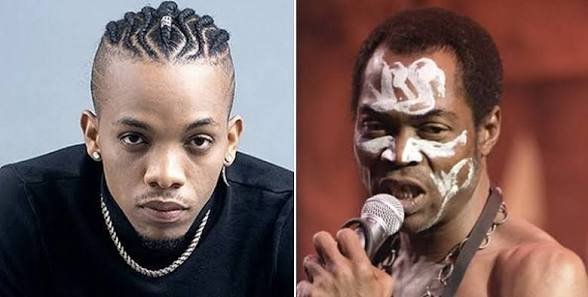
The “Olodo Uprising” debate has gained fresh attention after Nigerian Afrobeats singer Tekno questioned whether intellectual or sophisticated content still determines what audiences find entertaining, while defending comedian and streamer Carter Efe’s popularity.

Tekno made the remarks during an interview with Yanga FM, where he reflected on Carter Efe’s comedic appeal and compared the current generation of unconventional online entertainers with Nollywood comedy characters such as Osuofia and Mr Ibu.
Key Highlights
- Tekno weighed in on the “Olodo Uprising” debate and defended Carter Efe’s unconventional comedic style.
- He questioned whether intellectual content remains the main driver of entertainment.
- He compared Carter Efe’s appeal with classic Nollywood comedy characters Osuofia and Mr Ibu.
- Tekno said social media allows unconventional entertainers to build careers from home.
- Supporters say comedy need not be intellectually demanding, while critics worry about its effect on public discourse.
Tekno’s Yanga FM remarks were also covered in a report on the Olodo Uprising discussion.
Tekno Explains Carter Efe’s Popularity
During his Yanga FM interview, Tekno argued that audiences do not necessarily need intellectually demanding content to enjoy entertainment.
The singer pointed to Carter Efe as an example, saying he could watch the comedian for hours simply because his goofy personality makes him laugh.
“Intellectual no dey work again. Wetin I go do with your intellect? I can watch Carter Efe for hours and just be laughing at him,” Tekno said.
His comments have become part of the wider “Olodo Uprising” conversation, a social-media-driven debate about the popularity of entertainers whose content often relies on exaggerated personalities, humour and deliberately unserious behaviour.
Tekno Compares Carter Efe With Osuofia and Mr Ibu
Tekno argued that the phenomenon is not entirely new. He referenced veteran Nollywood characters Osuofia, played by Nkem Owoh, and Mr Ibu, portrayed by the late John Okafor, as examples of entertainers who built large followings through comedy and exaggerated characters.
According to Tekno, audiences were attracted to these characters partly because of their humorous and sometimes foolish behaviour. He questioned what made viewers enjoy watching them, suggesting their ability to make people laugh was central to their popularity.
Social Media Changes Entertainment
Tekno also said social media has changed how entertainers build careers. While actors and comedians once depended largely on television, cinema and established entertainment companies, platforms now allow individuals to create content at home and reach large audiences.
He described this as the major difference between the current entertainment environment and the era of Osuofia and Mr Ibu.
“So it’s nothing new, just that now you can do mumu in your own home and get paid,” he said.
The comment reflects the growing importance of platforms such as YouTube, Instagram, TikTok and streaming services in Nigeria’s entertainment economy.
What Is the Olodo Uprising Debate?
The “Olodo Uprising” conversation centres on the growing popularity of content that prioritises humour, simplicity, absurdity and personality over conventional ideas of intellectual sophistication.
Supporters argue that entertainment does not have to be educational or intellectually complex to have value. For them, making people laugh and providing an escape from everyday pressure are legitimate forms of entertainment.
Critics, however, argue that the popularity of deliberately unserious content could contribute to a decline in the quality of public conversations, particularly when social media trends begin influencing wider culture.
Read also:
- Carter Efe, Peller Feud Escalates as Jasmine-Jarvis Relationship War Sparks Fresh Reactions
- Carter Efe Claims $2,500 Monthly Twitch Earnings, Sparks Comparison With Peller, Shank
Carter Efe at the Centre of the Debate
Carter Efe has become one of the most visible examples in the discussion because of his ability to attract attention through comedy, streaming and viral online content. His popularity demonstrates how digital platforms can turn an unconventional personality into a commercially successful entertainment brand.
For Tekno, this popularity should not necessarily be judged by traditional standards of intellectualism. His argument suggests an entertainer’s ability to hold an audience’s attention and make people laugh can itself be enough to establish lasting appeal.
Tekno’s Comments Spark Wider Conversation
The debate has expanded beyond Carter Efe, raising broader questions about what Nigerian audiences want from entertainers, what social media platforms reward and whether intelligence and comedy must be treated as opposing qualities.
While some social media users agree with Tekno that entertainment should simply entertain, others believe popular culture should also encourage creativity, knowledge and meaningful public discourse.
The discussion is likely to continue as digital creators increasingly shape Nigeria’s entertainment industry and audiences gain more power to determine which personalities and forms of content receive attention. Follow us on X for more updates.