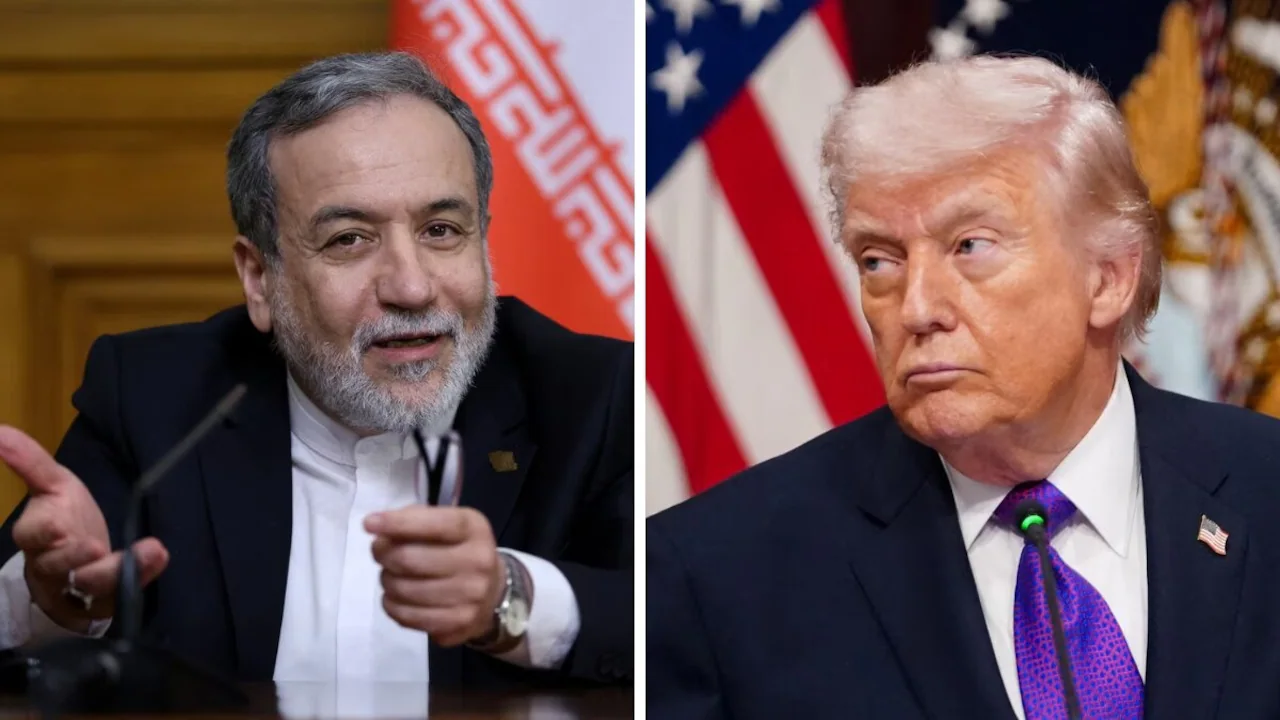
Iranian Foreign Minister Abbas Araghchi has said only a negotiated settlement can end the conflict between Iran and the United States, following President Donald Trump’s rejection of Tehran’s proposal to reopen the Strait of Hormuz.
Trump dismissed the proposal on Saturday, saying it is not acceptable and accusing Iran of seeking a deal to reopen the strategic waterway to commercial shipping within seven days because, in his words, Tehran was “losing so badly.”

Reacting to the rejection, Araghchi said Iran was awaiting a definitive official response from the United States before deciding its next move.
In a message posted on Telegram, the Iranian foreign minister said the conditions proposed for reopening the Strait of Hormuz were the same provisions contained in a memorandum of understanding reached between Iran and the US in June.
Araghchi also said Tehran had raised the reopening of the waterway and an end to hostilities during negotiations held on the sidelines of the United Nations General Assembly in New York.
The Strait of Hormuz is one of the world’s most important energy routes, with a significant share of global oil and gas supplies normally passing through it. The waterway has remained effectively closed since the outbreak of the conflict in February.
Trump said the United States already had “total control” of the strait, while claiming that large quantities of oil were still moving through the route despite the conflict.
Araghchi, however, said Trump had previously made both positive and contradictory statements and that Tehran would wait for mediators to communicate Washington’s final position.
Iranian President Masoud Pezeshkian also told CBS, the US news partner of the BBC, that the distrust created by the war would have to be addressed for negotiations to succeed.
Pezeshkian said Iran remained open to discussions on implementing the June memorandum in stages, but insisted that Washington must demonstrate that it was not seeking to overthrow the Iranian government.
He accused Trump of abandoning the agreement when the US resumed its bombing campaign.
Meanwhile, Oman, which has been mediating between Washington and Tehran, urged all sides to maintain dialogue and cooperate with efforts to protect navigation through the Strait of Hormuz.
Oman’s Foreign Minister, Sayyid Badr bin Hamad bin Hamood Albusaidi, made the appeal during the UN General Debate, stressing the need for continued diplomatic efforts to resolve the crisis.
Trump’s rejection of the Iranian proposal was supported by US Ambassador to NATO Matthew Whitaker, who described Tehran’s offer as “half measures” and “illusory deals”.
US Treasury Secretary Scott Bessent also said American economic sanctions were putting pressure on Iran, citing restrictions affecting Iranian airlines and financial transactions in Turkey and the United Arab Emirates.
Read also:
- Iran’s foreign minister describes Trump’s comments as reckless, dangerous
- Iran Offers Seven-Day Plan to Reopen Strait of Hormuz as Trump Reportedly Rejects Deal
- Trump Reaffirms Iran Nuclear Weapon Prevention As Top US Priority
The Trump administration has referred to its economic pressure campaign against Iran as “Operation Economic Outcast”, seeking to use sanctions and other measures to pressure Tehran over attacks on vessels in the Strait of Hormuz.
However, the effectiveness of the sanctions could depend on the response of Iran’s major trading partners, particularly China, which remains a major buyer of Iranian oil and has previously continued trading with Tehran despite US sanctions.
With Washington rejecting Tehran’s latest proposal and Iran awaiting a formal response, diplomatic efforts through Oman and other intermediaries remain central to attempts to end the conflict and restore normal navigation through the strategic waterway.Iranian Foreign Minister Says Only Negotiation Can End Conflict After Trump Rejects Hormuz Deal