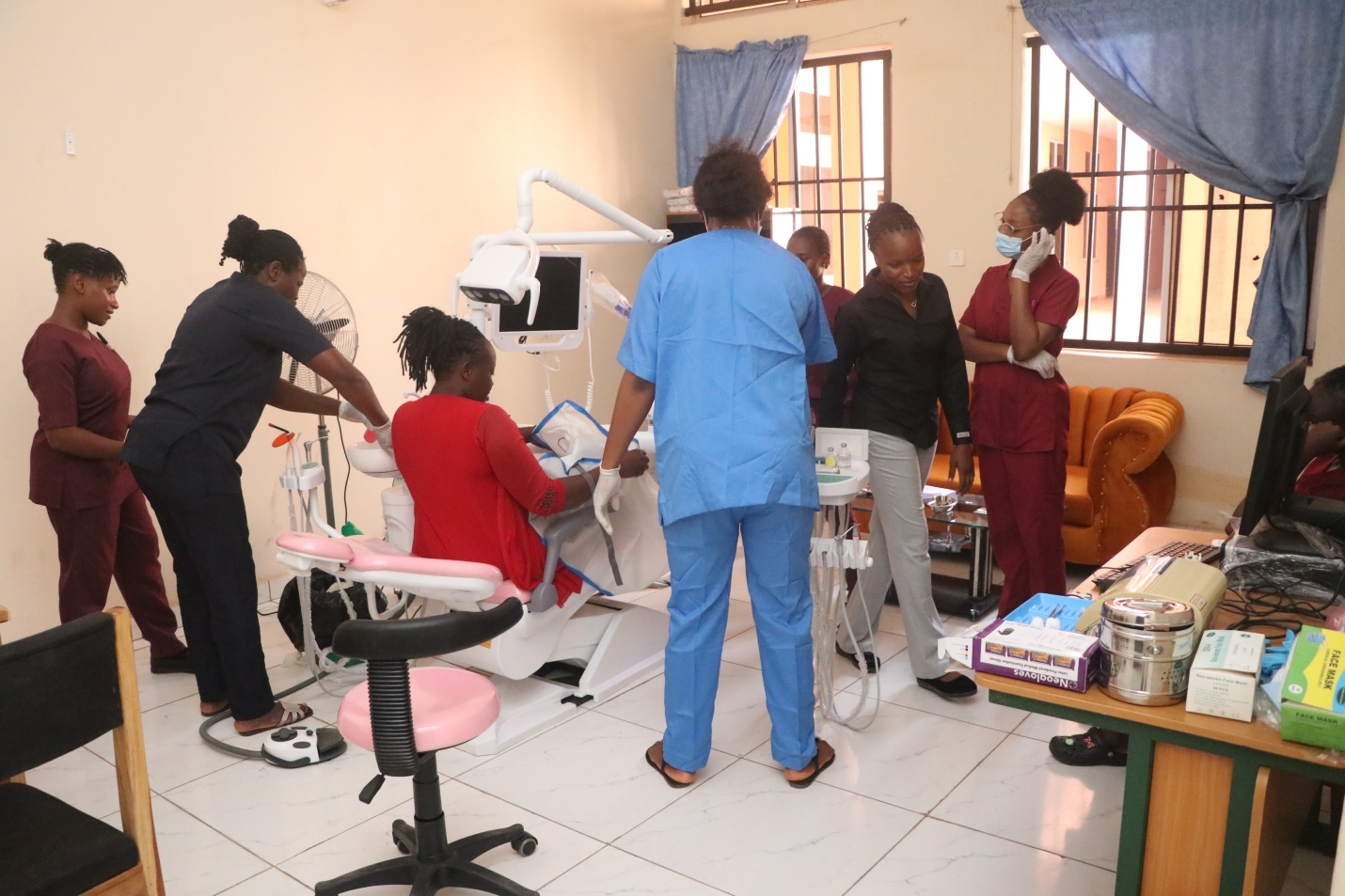
Asaba Specialist Hospital has begun the process of securing West African College of Surgeons (WACS) accreditation for its Obstetrics and Gynaecology Department, a step that would enable the hospital to train resident doctors and strengthen specialist healthcare services in Delta State.
Key Highlights
- Asaba Specialist Hospital has begun the process of securing WACS accreditation.
- The accreditation would enable the hospital to train resident doctors in Obstetrics and Gynaecology.
- WACS inspectors assessed the department’s facilities, equipment and consulting rooms.
- The hospital has introduced facilities for non-invasive procedures, including hysteroscopy and colposcopy.
- The training programme is intended to help address shortages of specialist doctors linked to brain drain.
- Hospital management says most requirements previously identified by WACS have been addressed.
WACS Inspects Asaba Specialist Hospital
The accreditation exercise took place on Thursday, with a WACS inspection team assessing facilities and equipment at the Obstetrics and Gynaecology Department.

The team toured consulting rooms, reviewed available medical infrastructure and interacted with resident doctors as part of the assessment.
The hospital’s Chief Medical Director, Dr. Peace Ighosewe, said securing accreditation had become necessary because of the growing difficulty in recruiting specialist doctors amid the migration of Nigerian medical professionals abroad.
She said the department had made progress towards meeting WACS requirements, including providing facilities for non-invasive gynaecological procedures such as hysteroscopy and colposcopy.
According to Ighosewe, the WACS team identified areas requiring further improvement while also engaging resident doctors on measures to strengthen healthcare delivery.
Accreditation to Strengthen Specialist Manpower
Ighosewe said full accreditation would allow the hospital to train resident doctors who could eventually become consultants, helping to create a sustainable pool of specialists.
“Accreditations are very demanding, but it is worth it because at the end of the day, you get the opportunity to train residents who will become the next generation of consultants and provide care to our teeming patients,” she said.
The Chief Medical Director expressed optimism that the department would meet the requirements for full accreditation, noting that most of the issues previously raised by the college had been addressed.
“We’re hopeful that today we’ll be able to satisfy the needs of the college so that we can get full accreditation because we’ve done most of what they requested,” she said.
Hospital Tackles Specialist Doctor Shortage
Ighosewe said the accreditation was particularly important because of the difficulty in recruiting consultants amid the continued migration of Nigerian medical professionals.
“With the Japa syndrome, it’s very difficult to get consultants to employ these days. But now we’ve trained, it means that we have a steady supply of fellows to provide that specialty service,” she said.
The hospital’s plan to expand residency training is expected to improve its capacity to develop specialist manpower while increasing access to specialised healthcare services in Delta State.
Read also:
- Delta to bridge Health workforce gap with Ovrode Health College
- Health Experts Raise Alarm Over Risks Of Home Birth Deliveries By Expectant Mothers In Adamawa
If the WACS accreditation process is successfully completed, the Obstetrics and Gynaecology Department will be positioned to provide structured residency training and contribute to the development of future specialist doctors.
The initiative comes amid continuing concerns over Nigeria’s healthcare brain drain and the challenges hospitals face in retaining and recruiting highly trained medical professionals. The hospital’s official profile of Dr. Peace Ighosewe identifies her as its Chief Medical Director.
For more updates, follow us on X.