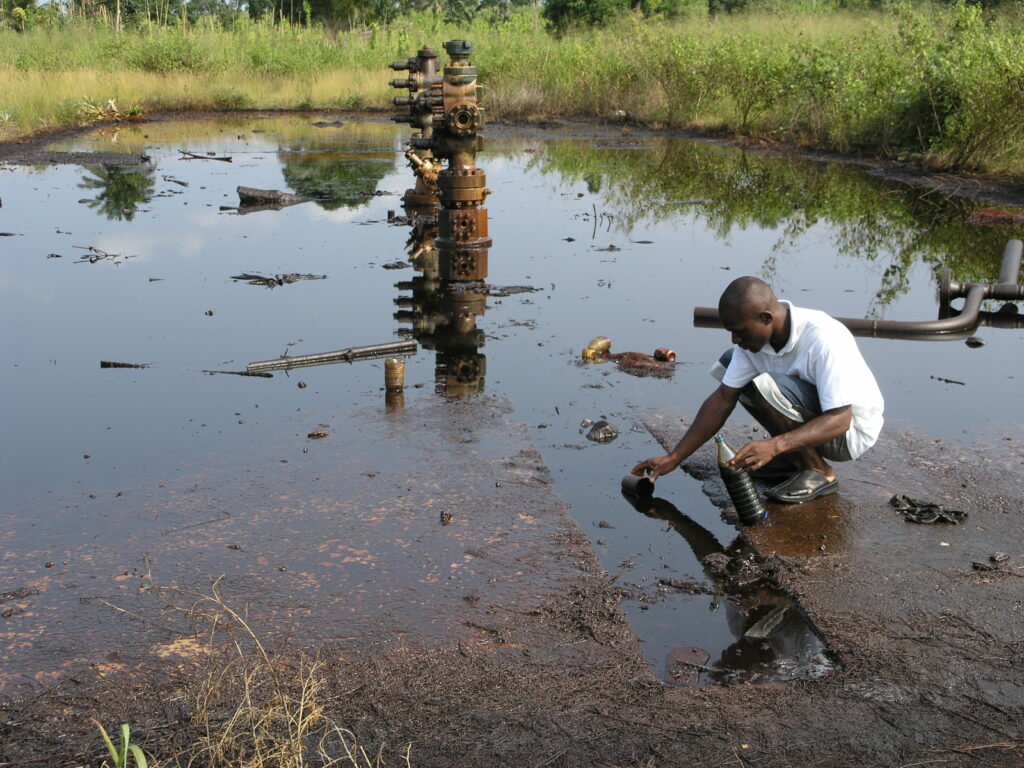
For families in Bille Kingdom in Degema Local government Area of Rivers State in the Niger Delta Region, the water around them is more than a stretch of creek, beyond which are aquatic and marine resources. It is their means of movement, a source of livelihood and being part of everyday life, it’s about tourism, aquatic splendor, picnic, recreation and exploration of natural ambience.
..

Key Highlights:
- Bille residents face environmental concerns, including reported gas leaks and polluted waterways.
- Oil companies are divesting, raising questions about who will handle existing environmental damage.
- A National Extractives Dialogue will address the Bille crisis on September 29–30.
- Stakeholders are calling for environmental remediation before divestment.
- Residents want clean water, restored livelihoods and clear responsibility for environmental cleanup.
So when reports of gas leaks and other environmental problems begin to raise concerns about the safety of the waterways, the issue is no longer just about oil production. It becomes a question of how people will live, work and provide for their families. Now, as foreign oil companies are divesting from onshore oil assets, residents of the Rivers State community in particular and Niger Delta in general are asking yet another difficult question: who will take responsibility for the environmental problems left behind?
That question will take centre stage in Port Harcourt on September 29 and 30, when Spaces for Change (S4C), in partnership with the Nigeria Extractive Industries Transparency Initiative (NEITI) and the National Oil Spill Detection and Response Agency (NOSDRA), with support from the Ford Foundation, convenes the fifth National Extractives Dialogue. The dialogue has the theme: “Remediation Before Divestment and Energy Transition: Amplifying the Bille Environmental Crisis.”
More than 150 stakeholders from the Niger Delta and beyond are expected to attend, including government officials, regulators, civil society organisations, host community representatives, academics and private-sector players. Bille Kingdom, in Degema Local Government Area of Rivers State, hosts major oil assets including OML 18 and OML 24. The community is now at the centre of concerns over what happens to environmental liabilities as Nigeria’s oil industry undergoes major changes.
Read Also:
- 300 firms compete for 50 Nigerian Oil Blocks in 2025–2026 licensing round as investment interest surges
- NCDMB Boss challenges Nigerian Oil firms to enter deepwater operations
- NCDMB, PETAN showcase Nigerian oil industry expertise at 2025 Namibia Oil and Gas Conference
According to the organisers, reports from affected communities and preliminary field observations indicate persistent environmental challenges, including reported gas leaks affecting waterways, creeks, residential areas and agricultural livelihoods. While technical assessments are still ongoing, residents are waiting for verified scientific findings and immediate relief measures, including access to clean water. For people living in a riverine communities, damage to waterways can quickly become a threat to livelihoods. Fishing, farming and transportation all depend on the health of the environment.
The organisers say this is why remediation must come before divestment and energy transition plans. As IOCs transfer onshore assets to domestic operators, they argue that historical environmental liabilities must be properly identified and addressed so that communities are not left carrying the burden of decades of extractive activities. The dialogue will provide residents of Bille and neighbouring communities an opportunity to engage directly with regulators, industry operators, security agencies and civil society organisations.
For Bille residents, the issue is ultimately about more than who owns an oil asset. It is about whether the water around their homes will be safe, whether their livelihoods can survive and whether the companies leaving will also leave behind a responsibility to restore the environment. As Nigeria moves towards a new energy future, Bille is asking who will be responsible for the environmental cost of the old one.