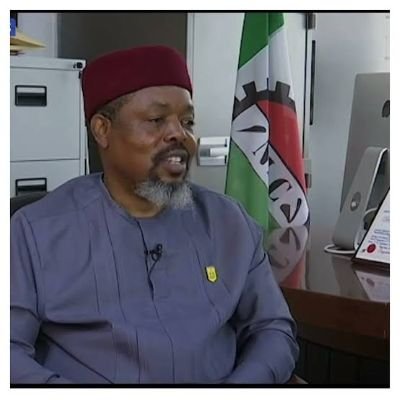
The Nigeria Labour Congress (NLC) has been thrown into mourning following the death of its General Secretary, Emmanuel Ugboaja, who reportedly died at the age of 60 after a prolonged illness.
Ugboaja’s death was announced to members of the NLC National Executive Council by the President of the Congress, Joe Ajaero, during a meeting in Enugu on Thursday.

Ajaero reportedly informed the council of the development after receiving a letter from the family of the late labour leader.
Details surrounding the circumstances of his death were still sketchy as of the time of filing this report, although reports indicated that Ugboaja had been battling a prolonged illness.
His death marks the loss of one of the prominent figures in Nigeria’s organised labour movement, where he spent more than three decades contributing to trade union activities and industrial relations.
Born on May 15, 1966, Ugboaja studied law at the University of Calabar, graduating in 1987. He initially practised privately before joining the trade union movement in 1993.
Over the years, he rose through the ranks of organised labour and served as General Secretary of the National Union of Chemical, Footwear, Rubber, Leather and Non-Metallic Products Employees between 2000 and 2005.
Read also:
- Nigerian Artist Njideka Akunyili Crosby Unveils Historic First Official Joint Portrait of Barack, Michelle Obama
- Being rejected by girls in school hurt my self–esteem, reveals Don Jazzy
- Nigerian stars shine in 2026 BET Awards nominations
Ugboaja later joined the NLC Secretariat in 2009, where he served as Principal Assistant General Secretary and Head of Industrial Relations and Organising.
In 2019, he emerged as the General Secretary of the NLC, becoming the fifth person to occupy the position since the labour centre was established in 1978.
The NLC had previously described Ugboaja as the first Nigerian lawyer to work full-time in a trade union, highlighting his blend of legal expertise and extensive experience in industrial relations.
His passing is expected to leave a significant void within Nigeria’s labour movement, with tributes likely to pour in from workers, trade unions and other stakeholders across the country.