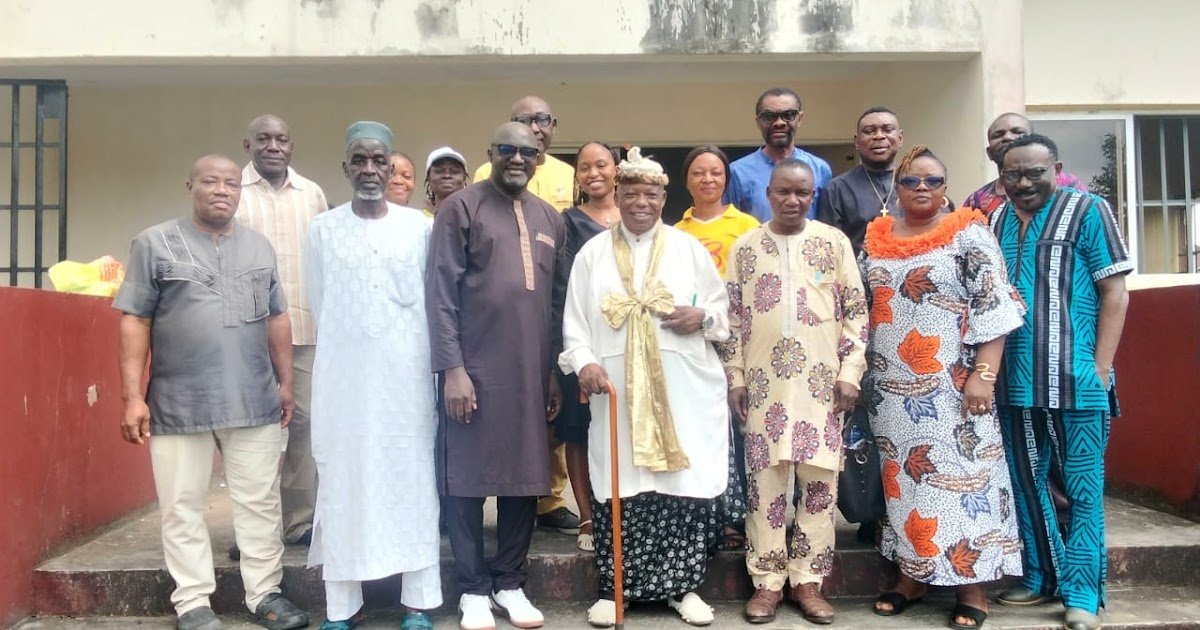
Traditional rulers, religious leaders, health workers and civil society groups in Cross River State have met to take deliberate action to end stigma and discrimination against persons living with leprosy in their communities.
This was during a sensitization meeting on leprosy-related stigma reduction with the theme: “The Role of our Community Leaders to Break the Chains of Stigma” organized by the state Ministry of Health to equip community leaders with accurate information and strategies to change public perception about the disease held in Calabar.

Delivering a goodwill message, Dr. Archibong Ika Archibong, a community leader and zonal president, South-South, Nigerian Association of Medical Herbalists, said the biggest challenge facing leprosy control in Nigeria is not the disease itself, but the stigma attached to it.
“As community leaders, we hold the key to changing mindsets. For too long, our people have believed myths that leprosy is a curse or spiritual attack.
“That is false. Medical science has proven that leprosy is a bacterial infection. It is treatable, it is curable, and it is preventable,” Dr. Archibong stated.
“When we stigmatize patients, we push them into hiding. When they hide, they don’t get treatment early. When treatment is delayed, disabilities set in. So stigma is directly responsible for the complications we see,” he added.
Read also:
- Adamawa coalition vows to reject imposition of candidates to succeed Gov. Fintiri ahead 2027 polls
- The emerging relevance of indigenous ethnic nationalities in Adamawa politics ahead 2027
- 2027: Adamawa in search of a grassroots politician
- Diadem Breaks Silence On Dabota Lawson, Reveals ₦5m Gift Fallout
- Uber Layoffs: Company Cuts 3,300 Jobs as It Expands AI-Powered Rides
He explained that leprosy, also known as Hansen’s Disease, is caused by mycobacterium leprae and is transmitted mainly through prolonged close contact with an untreated person.
“The good news is that with multi-drug therapy provided free by government, a patient can be cured within 6 to 12 months. Early detection prevents deformities,” he said.
The zonal president urged community leaders to refer anyone with persistent skin patches, loss of sensation or thickened nerves to the nearest health facility for free screening.
Dr. Archibong called on monarchs and chiefs to use village meetings, town criers and traditional councils to spread correct information.
“Let us be guided by facts. A person who has completed treatment for leprosy is not infectious and should be fully reintegrated into society. They have the right to marry, to work, to worship, and to lead normal lives,” he added.
He appealed to the Cross River State government and development partners to provide more logistics for community outreach.
Some participants who spoke in separate interviews promised to speak against discrimination in their domains.
In a five- point communiqué adopted at the end of the sensitization, stakeholders promised to intensify grassroots sensitization in all 18 local government areas using local languages and town hall meetings and advocate for inclusion of leprosy survivors in schools, markets, churches and community activities