
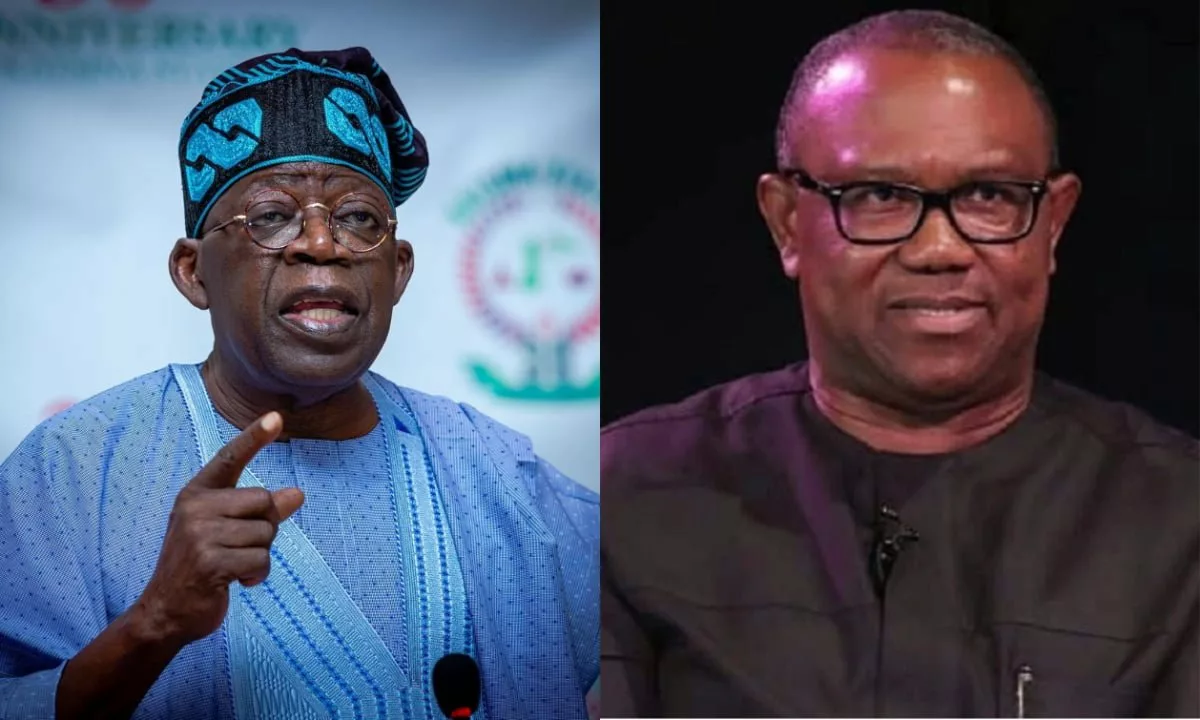
As Nigeria gradually inches closer to the 2027 general election, President Bola Ahmed Tinubu’s bid for a second term is increasingly coming under intense public scrutiny, with influential religious leaders, opposition figures and civil society groups questioning whether the administration’s sweeping economic reforms are translating into meaningful improvements in the lives of ordinary Nigerians.
Key Highlights:
- Tinubu faces growing scrutiny ahead of the 2027 elections.
- Religious leaders warn that hardship and insecurity are worsening.
- Government says economic reforms are beginning to deliver results.
- Many Nigerians say living conditions have not improved.
- Economy and security are expected to shape the 2027 election.
What began as isolated calls for urgent government intervention has evolved into a broader national debate over governance, accountability and the effectiveness of policies introduced since President Tinubu assumed office in May 2023.

At the centre of the conversation are the twin challenges of economic hardship and insecurity, issues many observers believe could significantly shape voter decisions in the next presidential election.
The debate intensified following the recent exchange between President Tinubu and the Catholic Bishops’ Conference of Nigeria (CBCN), whose members openly expressed concern over worsening hunger, unemployment, insecurity and the declining purchasing power of Nigerians.
The bishops urged the Federal Government to urgently address what they described as widespread suffering, warning that soaring inflation, rising transportation costs and escalating food prices have pushed millions of households deeper into poverty.
Responding to the concerns, President Tinubu defended his administration’s economic agenda, insisting that difficult but necessary decisions—including the removal of fuel subsidy and the liberalisation of the foreign exchange market—were designed to rescue Nigeria from years of structural economic distortions.
According to the President, early signs of recovery are already emerging through stronger government revenues, improved fiscal discipline, growing investor confidence, rising foreign reserves and increased infrastructure investments.
The President’s position has also received backing from the Central Bank of Nigeria (CBN), which recently maintained that the country’s macroeconomic reforms are beginning to yield measurable results.
The apex bank pointed to moderating inflationary pressures in some sectors, improved stability in the foreign exchange market, stronger external reserves and renewed investor confidence as indications that the economy is gradually responding to the reforms.
CBN officials, however, acknowledged that restoring economic stability is a gradual process requiring sustained policy consistency and fiscal discipline.
Despite these assurances from both the Presidency and the apex bank, many Nigerians argue that the improvements highlighted in official reports have yet to be reflected in their daily lives.
The President’s response also generated mixed reactions among religious organisations.
Several Christian bodies, including prominent northern Christian leaders and faith-based organisations, publicly supported the position of the Catholic bishops, insisting that the Church merely echoed the realities confronting millions of Nigerians.
Many northern Christian leaders argued that while economic indicators may appear encouraging on paper, ordinary citizens remain more concerned about whether they can afford food, transportation, healthcare and education.
According to them, genuine economic recovery should be measured not only by statistical improvements but by the ability of families to meet basic needs, operate businesses profitably and live without fear of hunger or insecurity.
Other Christian organisations similarly urged government officials to engage religious leaders constructively rather than dismissing their concerns, noting that churches remain among the institutions closest to vulnerable communities.
The Christian Association of Nigeria (CAN), led by Daniel Okoh, has consistently called on governments at all levels to tackle insecurity and economic hardship while prioritising justice, peace, accountability and national unity.
Muslim organisations have also voiced similar concerns.
The Jama’atu Nasril Islam (JNI), alongside several Islamic scholars and northern Muslim leaders, has repeatedly urged authorities to intensify efforts against insecurity, inflation and food shortages while expanding social protection for vulnerable households affected by the rising cost of living.
Beyond religious institutions, political figures have also joined the national conversation.
Former Vice President Atiku Abubakar, former Kaduna Central Senator Shehu Sani and several prominent politicians across both the ruling All Progressives Congress (APC) and opposition parties have offered differing assessments of the administration’s performance.
Opposition politicians argue that prolonged economic hardship has weakened public confidence in the government and could become a defining issue during the 2027 elections if living conditions fail to improve substantially.
Within the APC, however, many party leaders insist that President Tinubu deserves more time, arguing that structural economic reforms often take years before their full benefits are felt by citizens.
Yet, among many Nigerians, a pressing question continues to resonate: How long should citizens wait before the promised dividends of the reforms become evident in their everyday lives?
Across markets, workplaces and public transport terminals, many citizens say they are less concerned about positive macroeconomic indicators than about whether they can afford food, pay school fees, settle rent and sustain their small businesses.
Some critics also question whether the recent wave of stakeholder engagements by government officials is a genuine effort to address public concerns or part of an early strategy to rebuild political goodwill ahead of the 2027 elections.
Political analysts caution that the widening gap between official economic narratives and the lived experiences of many Nigerians could become one of the defining issues of the next electoral cycle.
Read also:
- Court Dismisses Suit Seeking INEC Recognition of Turaki-Led PDP Interim NWC
- Continuous Voter Registration: INEC Registers 2.43 Million Nigerians as Kaduna Tops Nationwide CVR Exercise
- Appeal Court Upholds Order Barring INEC From Recognising Mark-Led ADC Congresses
The influence of religious leaders further amplifies this challenge.
Unlike traditional political campaigns, churches and mosques reach millions of Nigerians every week through sermons, conferences and community outreach programmes, making their positions highly influential in shaping public opinion.
Economically, the pressures remain evident.
Since the removal of fuel subsidies and the adoption of a market-driven foreign exchange regime, Nigerians have experienced sharp increases in fuel prices, transportation costs, electricity tariffs in some bands, school fees and the prices of essential goods.
The depreciation of the naira and rising operating costs have also placed enormous pressure on manufacturers, traders and small businesses, reducing household purchasing power across the country.
In response, the Federal Government has introduced several intervention programmes, including student loans, consumer credit schemes, cash transfer initiatives, compressed natural gas (CNG) transportation projects, agricultural support programmes, tax reform measures, infrastructure investments and expanded social protection initiatives.
However, many citizens insist that these interventions have yet to significantly improve their standard of living.
For millions of households, the most important economic indicator remains simple: whether there is enough food on the family table.
Security also continues to weigh heavily on public sentiment.
Despite renewed military operations against terrorists, bandits and kidnappers, attacks, abductions and communal violence persist in several parts of the country, with farming communities particularly affected, contributing to food shortages and rising food prices.
Political strategists believe that unless visible improvements emerge before campaign activities gather full momentum, the combined effects of economic hardship and insecurity could present one of the most significant challenges to President Tinubu’s re-election bid.
Historically, elections in Nigeria have been heavily influenced by public perceptions of economic wellbeing and national security, often outweighing campaign rhetoric and political promises.
Supporters of the President remain optimistic that the current reforms will ultimately reposition the economy for sustainable growth, citing improvements in fiscal discipline, government revenue, infrastructure financing and investor confidence as evidence that the administration is laying the foundation for long-term prosperity.
Whether those gains will become tangible enough to convince millions of Nigerians before they return to the polls in 2027 remains one of the biggest political questions facing the country.
For now, the message from religious leaders, civil society organisations and many policy observers remains largely consistent: beyond encouraging economic statistics and policy announcements, Nigerians are demanding visible improvements in their daily lives.
As political activities gather pace ahead of the 2027 elections, the administration’s ability to translate reforms into lower food prices, improved security, sustainable jobs and higher living standards may ultimately determine whether President Tinubu secures another mandate or faces his toughest electoral battle yet.