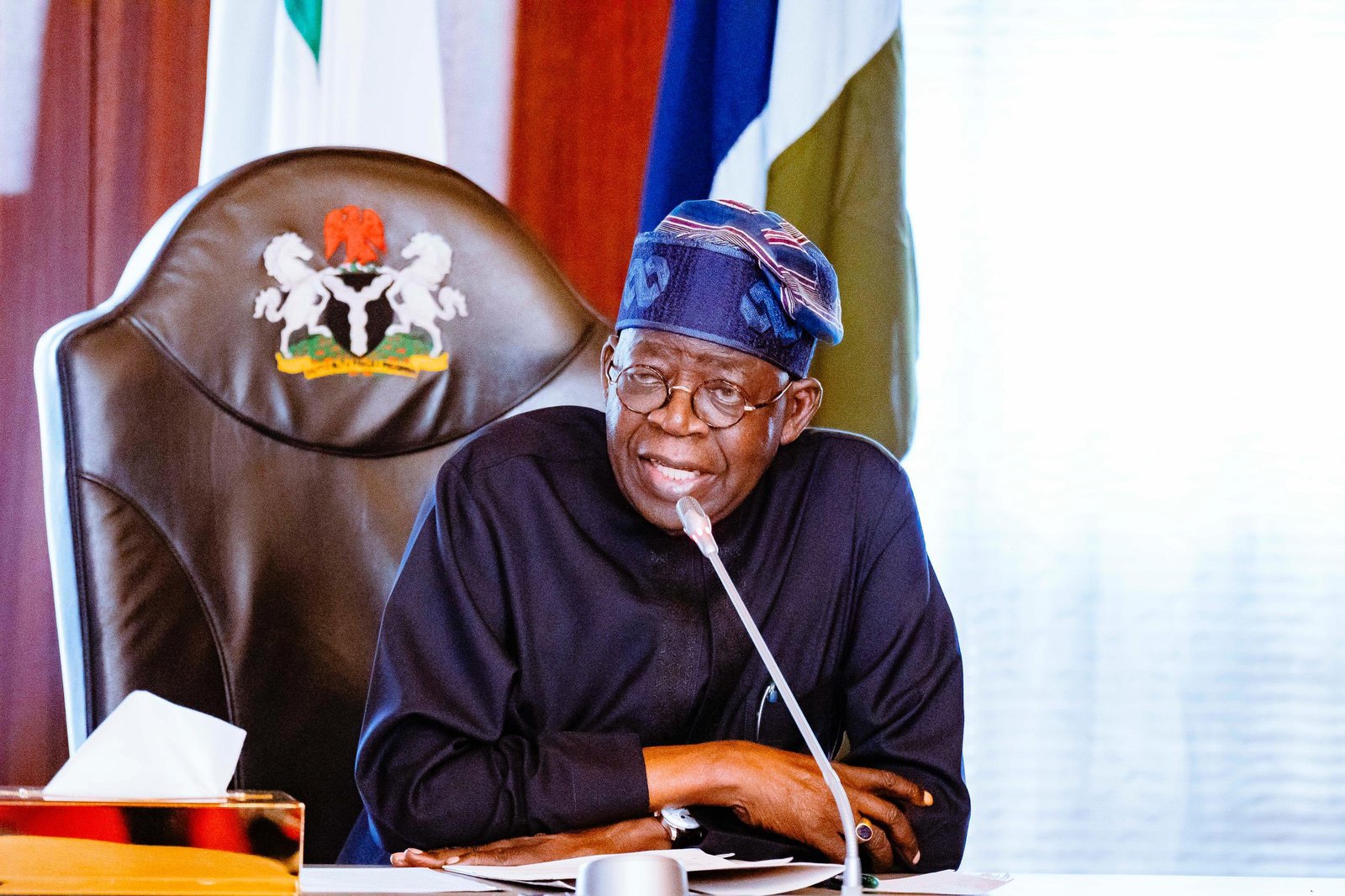
The Federal Government has explained that savings realised from the removal of petrol subsidy are being used to service rising debt obligations, implement the new national minimum wage, fund student loans and sustain key social intervention programmes.
Minister of Finance and Coordinating Minister of the Economy, Taiwo Oyedele, gave the clarification during a question-and-answer session at the Seventh Africa Emerging Market Forum in Abuja on Friday, where he addressed growing public concerns over the utilisation of funds generated by the economic reforms.

According to the minister, the decision to remove fuel subsidy and liberalise the foreign exchange market, though difficult, was necessary to correct long-standing structural distortions in the Nigerian economy and restore macroeconomic stability.
Oyedele acknowledged that many Nigerians have questioned how the savings from the reforms have been utilised, describing the concerns as legitimate.
He disclosed that the government would soon publish a comprehensive report detailing the use of the savings to enhance transparency and accountability.
Read Also:
- FG Seeks Stronger China Partnership to Drive $1tn Economy Goal
- FG to Launch Nationwide Household Survey to Identify Out-of-School Children
- FGC Ilorin Alumni Oppose Planned Privatisation of Unity Schools, Donate Learning Facilities
Providing an overview, the minister explained that before the reforms, the government relied heavily on deficit financing through the Central Bank of Nigeria to fund expenditure. With that practice discontinued, alternative sources of financing became necessary to meet existing obligations.
He also noted that debt servicing costs have risen significantly due to higher interest rates, stressing that the government must meet its debt repayment commitments promptly to maintain fiscal credibility.
The minister identified the implementation of the new national minimum wage as another major area financed through the subsidy savings, noting that the increase from ₦30,000 to ₦70,000 substantially raised the Federal Government’s wage bill.
Oyedele further revealed that significant funding has been allocated to the Nigerian Education Loan Fund (NELFUND), through which more than 1.5 million students are receiving tuition support and monthly stipends. He said the initiative has eased the financial burden on families while enabling many parents to channel resources into businesses and other household needs.
Responding to concerns over Nigeria’s continued borrowing despite improved revenue generation, the minister explained that surpassing revenue targets does not eliminate the need for borrowing when approved government expenditure exceeds available income.
He maintained that borrowing remains justifiable when the funds are invested in projects capable of delivering returns that exceed the cost of the loans.
Addressing criticism that the reforms initially worsened poverty, Oyedele described the hardship as a temporary consequence of correcting years of fiscal imbalances, expressing confidence that the benefits would become more evident over time.
According to him, Nigeria recorded nearly 10 per cent real per capita income growth in dollar terms in 2025, while future economic performance will be measured not only by GDP growth but also by reductions in multidimensional poverty, improvements in real income and declining income inequality.
The minister also disclosed that the Federal Government is developing a new framework aimed at reducing borrowing costs for businesses without introducing additional subsidies, as part of efforts to support private sector growth and long-term economic development.