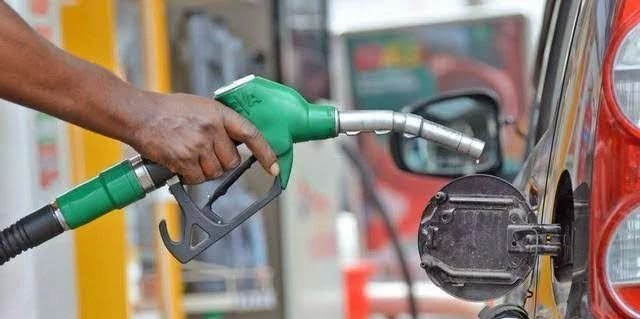
The Independent Petroleum Marketers Association of Nigeria (IPMAN) has raised concerns over the increasing number of petrol import licences being issued in Nigeria, warning that the trend could trigger higher pump prices, exert additional pressure on the naira and destabilise the downstream petroleum sector.
The association argued that importing petrol at prices higher than locally refined products could undermine efforts to achieve price stability and discourage investment in domestic refining capacity.

Key Highlights:
- IPMAN opposes the rising issuance of petrol import licences.
- Association warns of higher petrol pump prices and increased pressure on the naira.
- Says imported petrol is being sold above locally refined fuel prices.
- Calls on the Federal Government and NMDPRA to review import licensing policy.
- Fresh fuel price increases follow rising crude oil and depot prices.
- Marketers express concerns over uncertainty in the downstream petroleum sector.
Speaking on Sunday, IPMAN National Publicity Secretary, Chinedu Ukadike, said the association was closely monitoring developments in the downstream petroleum industry, particularly the growing number of import licences, fluctuating fuel prices and increased reliance on foreign exchange for petroleum transactions.
His comments followed recent adjustments in petrol pump prices by marketers after global crude oil prices climbed and depot prices were revised upward by Dangote Refinery and other fuel suppliers.
Market surveys conducted over the weekend showed that several filling stations had increased retail petrol prices in response to the latest changes in depot costs. For instance, AYM Sharfa reportedly raised its pump price from ₦1,191 per litre to ₦1,220 per litre.
Read Also:
- IPMAN urges FG to stop petrol imports, says Dangote Refinery can fully meet Nigeria’s PMS demand
- Okpebholo resolves IPMAN leadership crisis in Edo, vows to protect FG oil infrastructure
- IPMAN to discipline members involved in fuel pump cheat, malpractices
Ukadike called on the Federal Government, through the Nigerian Midstream and Downstream Petroleum Regulatory Authority (NMDPRA), to take urgent measures to address challenges affecting fuel pricing and supply across the country.
According to him, while the approval of additional import licences was intended to encourage competition in the downstream sector, it has instead created uncertainty for petroleum marketers and consumers.
He noted that some importers were offering petrol at about ₦1,350 per litre, significantly higher than the prices available from Dangote Refinery, warning that such pricing could increase the burden on consumers and make business planning more difficult for independent marketers.
Ukadike stressed that a stable and competitive downstream petroleum market requires policies that promote local refining, reduce dependence on imports and ensure predictable fuel pricing for both marketers and consumers.