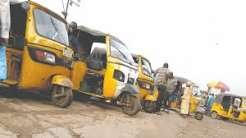
Abuja-based human rights and public interest lawyer, Ikechukwu Obasi, has called on the Federal Capital Territory (FCT) Administration to review what he described as the alleged enforcement of a blanket ban on commercial tricycles (popularly known as keke) in Abuja, arguing that it infringes on the economic rights of many Nigerians.
Key Highlights:

- Human rights lawyer Ikechukwu Obasi urged the FCT Administration to review the alleged blanket ban on commercial tricycles.
- He argued the policy infringes on citizens’ economic rights and threatens livelihoods.
- Obasi cited Article 22 of the African Charter on Human and Peoples’ Rights in support of his position.
- He warned that restricting legitimate means of income could worsen unemployment and insecurity.
- The lawyer called for targeted restrictions in sensitive areas instead of a blanket prohibition.
In a statement issued following his recent confrontation with police officers at Apo Bridge, where he alleged he was assaulted while attempting to record the manhandling of a tricycle rider, Obasi said his independent inquiry revealed that officers were enforcing what he described as a tricycle ban in parts of the FCT.
While acknowledging the government’s responsibility to regulate transportation and maintain order, the lawyer argued that enforcement should not result in the harassment of tricycle operators.
According to him, the government must balance its urban development objectives with citizens’ rights to earn a living, citing Article 22 of the African Charter on Human and Peoples’ Rights, which provides for the right to economic, social and cultural development.
Obasi expressed concern over Nigeria’s high unemployment rate, warning that policies that deprive citizens of legitimate sources of income could worsen insecurity.
He recounted meeting a taxi driver in Abuja who, despite holding a master’s degree in Banking and Finance, turned to commercial driving after failing to secure white-collar employment. He added that he had also encountered several university graduates working as tricycle and motorcycle riders to support themselves.
Read also:
- Mary Habila’s Autopsy: Umahi’s Lawyers Ask Police To Stop Burial Until Post-Mortem Is Conducted
- Bella Shmurda Cries Out After Alleged $4m Lagos Property Scam
- Romance Scam: EFCC Hands Over Forfeited Assets To Australian Victim In Lagos
- 2 Abuja Lawyers Accuse Police Of Assault, Threaten Legal Action
The lawyer questioned whether authorities would prefer unemployed youths to engage in criminal activities instead of legitimate businesses, insisting that government policies should encourage self-employment rather than discourage it.
He also criticised what he described as selective enforcement of public policies, arguing that while restrictions on tricycle operations are allegedly enforced aggressively, other government policies receive less attention.
Obasi urged the FCT Administration to reconsider the policy, suggesting that tricycles could be restricted from highly sensitive locations, such as the Presidential Villa and other designated areas, instead of being subjected to what he described as a blanket prohibition.
He further called on the authorities to issue an official clarification on the scope of any restrictions, warning that ambiguity could enable abuses by law enforcement officers and lead to violations of the rights of ordinary citizens.