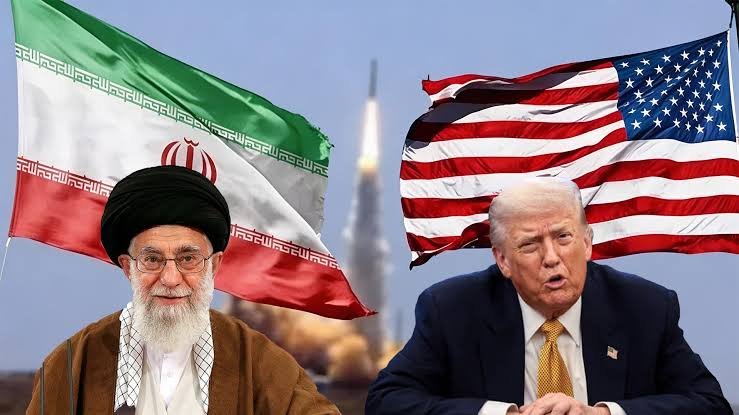
U.S. President Donald Trump has announced the immediate reinstatement of a U.S. blockade on Iranian ports and imposed a 20 percent charge on cargo passing through the strategic Strait of Hormuz, escalating tensions with Tehran despite a recent ceasefire.
In a post on Truth Social on Monday, Trump declared that the United States would become the “guardian” of the vital waterway, saying the blockade would target only Iranian ships and vessels trading with Iran, while ships from other countries would continue to use the strait after paying the new cargo fee.
“The Hormuz Strait is open, and will remain open, with or without Iran,” Trump wrote, adding that the new policy would take effect immediately.
However, the White House has yet to explain how the proposed 20% charge would be implemented or enforced, raising questions among shipping operators and U.S. allies.
The announcement came hours after Iran’s military warned that it would not allow the United States to “interfere in the management” of the Strait of Hormuz, one of the world’s most critical oil transit routes.
Iranian officials accused Washington of jeopardising regional security and warned that any cooperation with the U.S. over the waterway would be viewed as an act of aggression.
Read Also:
The renewed confrontation follows overnight U.S. strikes on Iranian military facilities. U.S. Central Command (CENTCOM) said it targeted a submarine and naval maintenance facility at Bandar Abbas, claiming the operation degraded Iran’s ability to attack commercial shipping in the Gulf.
Despite Trump’s declaration that the strait remains open, commercial shipping continues to face significant disruption.
Ship-tracking data showed only limited vessel movement through the waterway, with several ships altering course or switching off their tracking systems amid heightened security concerns.
The latest developments have rattled global financial markets, with Brent crude oil prices rising by more than four percent to around $79 per barrel as investors reacted to fears of prolonged instability in one of the world’s most important energy corridors.
Major U.S. stock indices also fell on concerns that higher oil prices could fuel inflation.
The renewed blockade comes less than a month after Washington and Tehran agreed to suspend similar restrictions under a ceasefire arrangement, underscoring the fragility of efforts to ease tensions in the Gulf.


ADVERTISEMENT